

New to dropshipping and not sure where to begin?
You're in the right place!
This guide will show you how dropshipping works, what it can cost, and the main decisions you'll face before opening a store.
If dropshipping still makes sense for you after that, we'll walk through the practical next steps, from choosing a platform and researching products to finding suppliers and getting customers.
It's a big guide, but don't worry. You don't need to learn everything at once!
Key takeaways
- How it works: You sell the product, while a supplier stores and ships it to your customer.
- What you still handle: You still handle the store and product choices, along with marketing and customer support. You also set the expectations your customers see.
- Cost reality: You don't need to buy inventory in bulk, but running a real store still comes with expenses.
- Before you start: Check the product and supplier first, then look at your margins and shipping. Make sure you understand the legal requirements too.
- If you continue: Take it step by step. Pick a platform and research products first, then choose a supplier and build the store before you test your marketing.
Let's take a look!

What is dropshipping and how does this business model work?
If you're reading this, you're probably still getting familiar with what dropshipping actually means.
No worries. Let's start with the basics.
How does dropshipping work?
They say a picture is worth a thousand words, right?
Take a look at these two infographics first:


In simple terms, dropshipping works like this:
- You list products in your online store. You don't keep those products in your own inventory.
- A customer places an order with you. You send the order details to your supplier. Apps such as DSers can help automate parts of this process. You can also compare these 14 DSers alternatives.
- Your supplier prepares and ships the order. The package goes directly to your customer.
- You remain responsible for the customer experience. The supplier handles fulfillment, but the customer bought from your store.
That last point is important.
Dropshipping removes the need to store and ship inventory yourself, but you're still responsible for the customer experience. That includes product quality and shipping expectations, along with refunds and support.
But won't customers know the package came from somebody else?
That depends on the supplier and how the order is packed.
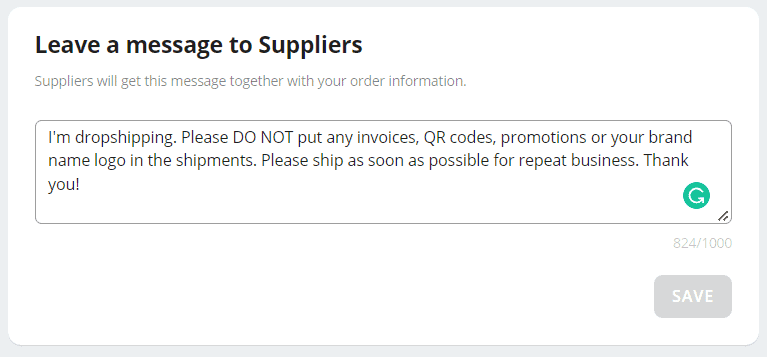
Some suppliers support blind dropshipping.
That usually means they don't include their own promotional material or branding inside the package.
Ask your supplier exactly what they include before you start sending customer orders. Packaging can vary from one supplier to another.
Why is dropshipping easy to set up, but harder to run well?
One reason dropshipping attracts beginners is that you don't normally need to buy a large amount of inventory before you test a product.
That removes one of the big upfront barriers of traditional retail.
The software side can be quick too. Ecommerce platforms make it possible to create a basic store without building all the technology yourself.
Sounds simple so far, right?
Here's the catch.
Setting up a store is much easier than building one that customers trust and that can operate profitably.
You still need to research products and check suppliers. You'll also need to write your store content, set realistic shipping expectations, and figure out how you'll bring in customers.
So yes, dropshipping can be relatively easy to set up. Running it well is where the real work starts.
And don't forget that dropshipping is a fulfillment method. It doesn't replace the rest of the ecommerce business around it.
If you're curious, you can also look at ecommerce stores that started with or still use dropshipping.
Why do people choose dropshipping?
Now that you know how the model works, why do people choose it?
A few reasons come up again and again:
- Less money tied up in inventory. You can test products without buying large quantities in advance.
- Location flexibility. Because fulfillment is handled by suppliers, much of the business can be managed online. Some people use that flexibility to work as a digital nomad.
- A way to learn ecommerce. You'll still work on products and marketing. Customer service and store design matter too.
- The possibility of earning a profit. A dropshipping store can make money if the numbers work, but the model itself doesn't guarantee that outcome.
Those benefits come with tradeoffs too. Supplier control and shipping can become pain points, while competition and margins affect the store's viability.
If you want the fuller picture, take a look at our guide to the pros and cons of dropshipping.
Can dropshipping still be profitable in 2026?
Yes, a dropshipping business can still be profitable in 2026, but profitability is never automatic.
Dropshipping is only the fulfillment method, so your results still depend on whether the business around it works.
Profitability depends on more than the product margin. Marketing costs and refunds can eat into what you keep, and so can shipping or customer support.
That's why I wouldn't ask only, "Is dropshipping profitable?"
A better question is: Can you build an offer where the numbers and customer experience make sense?
If you want to dig deeper, read our honest look at whether dropshipping is still profitable in 2026.
You can also read our guide on how long it can take before a dropshipping store makes money.
Can you start dropshipping without money in 2026?
You can learn about dropshipping for free, but running a real dropshipping store usually comes with costs.
Typical costs include the store itself, plus things like a domain and product samples.
Depending on how you operate, you may also pay for apps or marketing, and there may be costs for business registration or professional help.
The amount varies depending on how you build the store and how you plan to get customers.
That doesn't mean you need a huge budget on day one.
It does mean I wouldn't plan around the idea that starting and running the business will cost absolutely nothing.
For a fuller breakdown, read our guide on whether you can start dropshipping without money.
And if you want to understand the tax side, our dropshipping taxes guide is a good next read.
Learn from other dropshipping stores
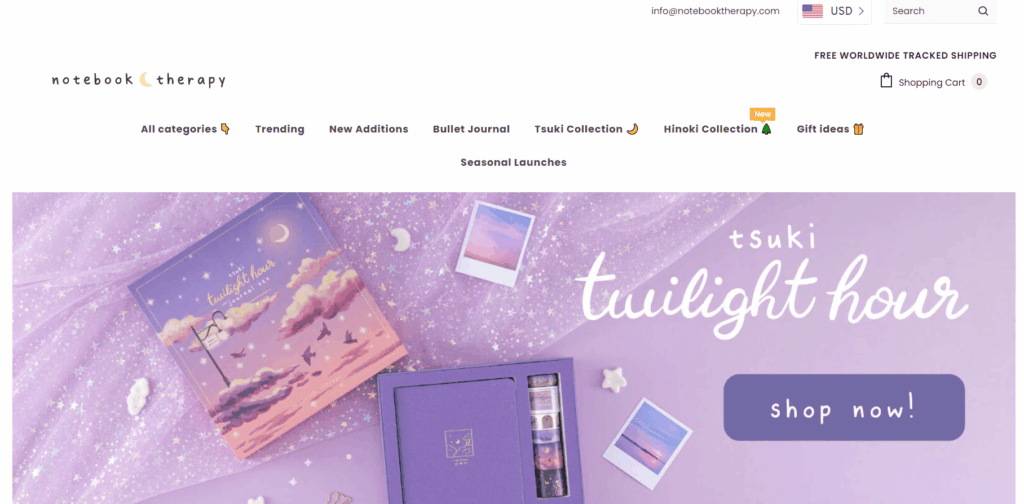
Before we get into the setup steps, it can help to look at real ecommerce examples first.
Use them for ideas, not as templates to copy.
Pay attention to how stores present products and write their copy, as well as how they build trust and structure their pages:
- 5 Bad Dropshipping Store Examples & What They Can Improve
- 8 Product Description Examples for Ecommerce (+ 5 Tips)
- 9 Awesome Dropshipping Facebook Ad Examples
- 14 Awesome Shopify Homepage Examples
- 18 Winning Dropshipping Product Examples
- 23 Awesome Shopify Dropshipping Store Examples
Once you've looked at a few, you'll have a better sense of the choices you'll need to make if you decide to build your own store.
Before you start: is dropshipping a good fit for you?
Before we jump into platforms and products, it's worth checking whether the model actually fits what you want.
Ask yourself:
- Are you comfortable relying on a supplier? They control important parts of product quality and stock, as well as packing and shipping.
- Are you willing to handle customer problems? If an order is late or arrives damaged, your customer will come to you.
- Do you have room to test? Products and marketing ideas won't all work, so you need some time and budget for learning.
- Are you okay with having less direct control over fulfillment? You won't normally pack each order yourself.
- Do the numbers make sense? Product cost is only one part of the equation. Your margin can also be affected by marketing and refunds, along with fees and app costs. Customer support adds to the workload too.
If those tradeoffs still sound workable, great! Let's move into the practical steps.
Still deciding? Our guide on whether dropshipping is still worth it in 2026 can help you think it through.
How to start dropshipping as a beginner in 2026
This is the big part of the guide!
Don't let the length overwhelm you. You don't need to build everything today, and you don't need to understand every detail before you read on.
We'll go through seven main areas:
- Choose where you'll sell. Pick an ecommerce platform or another setup that fits the way you want to build the store.
- Decide what kind of store you want. That could be a niche store, a general store, or a one-product store.
- Research products. Look for products with promising demand signals and enough margin to test.
- Find a supplier. Check product quality and communication, along with shipping and how the supplier handles problems.
- Make the store your own. Don't rely on supplier images and descriptions for everything.
- Check the legal setup. Find out what registration, tax, and consumer rules apply where you operate.
- Plan how you'll get customers. That could include organic traffic, paid advertising, or a mix of both.
Take it one section at a time, and come back whenever you need a refresher.
How do you get your dropshipping store online?
First, you need somewhere customers can actually buy from you.
Two common routes are using an ecommerce platform such as Shopify or building a self-hosted store with WordPress and WooCommerce.
A hosted ecommerce platform is usually easier for beginners because more of the technical setup is handled for you.
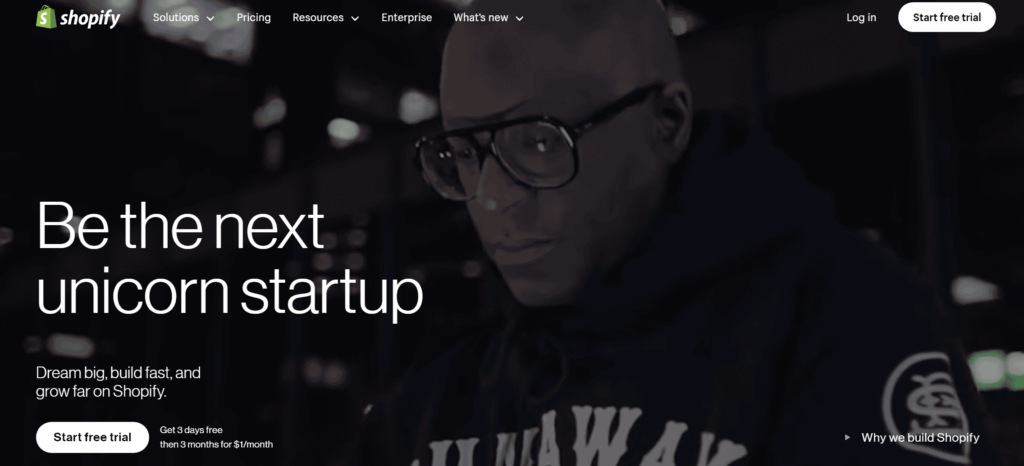
Self-hosting gives you more control, but you'll normally be responsible for more of the hosting and maintenance yourself.
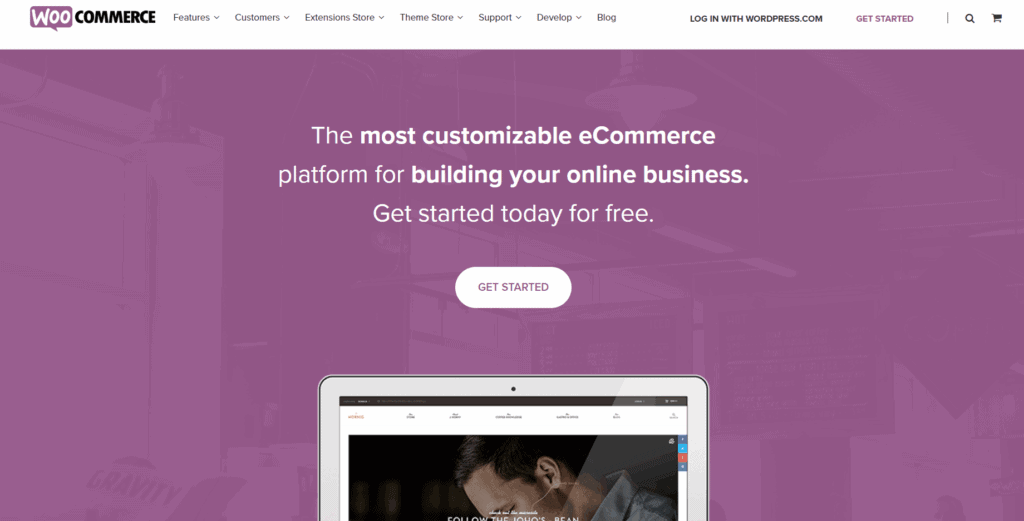
2026 update: AI store builders are much more common now. Shopify has its own AI store builder, and third-party tools can create a first store draft too.
Our guide to the best Shopify AI website builders compares the current options, including Storebuild.ai.
These tools can save setup time, but I'd still treat the output as a first draft.
Review the products and copy yourself, then go through the design and policies before you publish. Give the shipping details a separate check too.
If you're not sure which setup fits you, read our guide on how to choose an ecommerce platform.
How do you pick a niche for your store?
Next up: what kind of store do you want to build?
You don't have to choose a narrow niche just because you're a beginner.
Niche, general, and one-product stores all come with different tradeoffs.
These guides can help you compare the options:
- General vs Niche vs One-Product Dropshipping: Which Is Best?
- 10 Dropshipping Niches to Avoid in 2026 (Beginner Risks)
- How to Find the Best Niche for Dropshipping? (7 Methods)
- How to Find a Profitable Dropshipping Niche in 2026 (Guide)
One small tip from me: don't pick a niche you dislike just because somebody tells you it's profitable.
You'll spend a lot of time researching products and customers in that space. Having at least some interest can make the work easier to stick with.
So if you hate dogs, maybe don't build your whole store around dog products!
How do you find products worth testing?
This is one of the biggest questions beginners get stuck on:
"What should I sell?"
You'll often hear the phrase "winning product" in dropshipping.
I prefer to think of it as a product with promising signals that may be worth testing. No product is guaranteed to "win."
You're looking for signs that your target audience may want the product and that there's enough margin to test it with a useful offer.
If you want to understand the term in more detail, read What Is a Winning Dropshipping Product? (+ Examples).
For example, here is a product with a strong visual "wow" factor:

Product research also means knowing what not to sell. Some products can create legal or safety problems, while others may be fragile or difficult to ship profitably.
Here are 13 products and product types we suggest being careful with when dropshipping.
How can you do product research?
You have two broad options: research products yourself using free sources, or use a product research tool to speed up parts of the process.
Neither route guarantees a good product. The goal is to collect better information before you spend money testing one.
How to do product research yourself for free
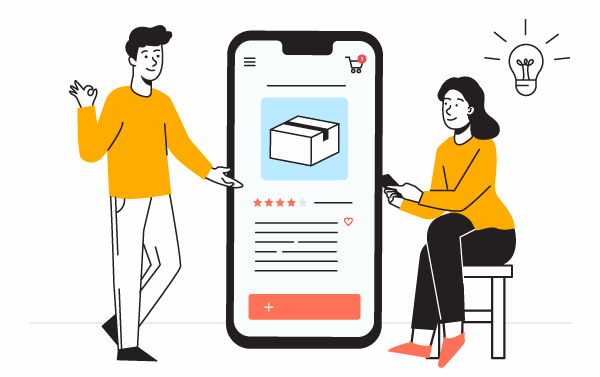
Manual product research takes time, but it's a great way to learn what you're actually looking for.
Our guide below covers 14 research methods you can try:
How to Find Winning Dropshipping Products (14 Research Methods)
Many of those methods are free, which makes them a good place to start if your budget is tight.
What if you want to use a product research tool?
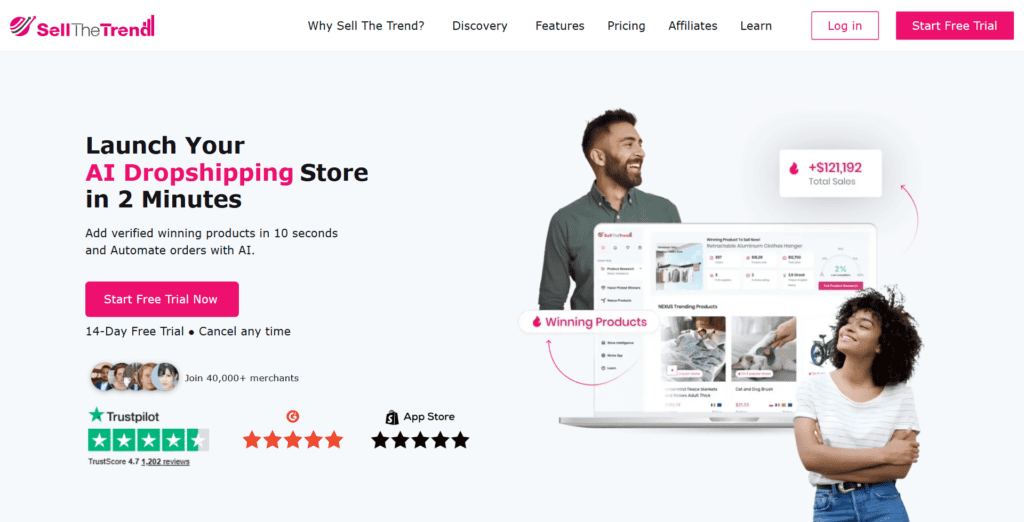
A product research tool can save time by bringing product ideas and market signals into one place.
That can be useful if manual research feels too slow, but don't let a tool make the decision for you.
If you're not sure which tool fits you, take our product research tools quiz.
Here's an example from Sell The Trend:

If your budget is tight, I'd start with the free research methods first.
Once you know what information you actually find useful, it's much easier to decide whether a paid tool is worth it.
- AliExpress Product Discovery: 6 Great Product Research Tools
- The 17 Best Winning Dropshipping Product Research Tools
How do you find a good dropshipping supplier?
Once you have a product idea, you'll need a supplier that can actually fulfill the orders.
Where can you find dropshipping suppliers?
Because you don't hold the inventory yourself, you need a supplier that stores the products and supports dropshipping.
Many beginners look at AliExpress, but it's only one option.

If AliExpress isn't the right fit, you can browse our current list of the best dropshipping suppliers or start with one of these guides:
- 8 Best Free Dropshipping Suppliers (+ Niche Suppliers Included)
- 15 Alternatives to Dropshipping With AliExpress
- The 9 Best Free US Dropshipping Suppliers
How do you choose a dropshipping supplier?
Price matters, but it shouldn't be the only thing you compare.
Think about what happens after a real customer orders.
Will the supplier communicate when something goes wrong, are the products consistent, and can they meet the shipping expectations you've set?
Those questions matter just as much as shaving a little off the product cost.
Our guide to choosing a dropshipping supplier goes through eight useful indicators.
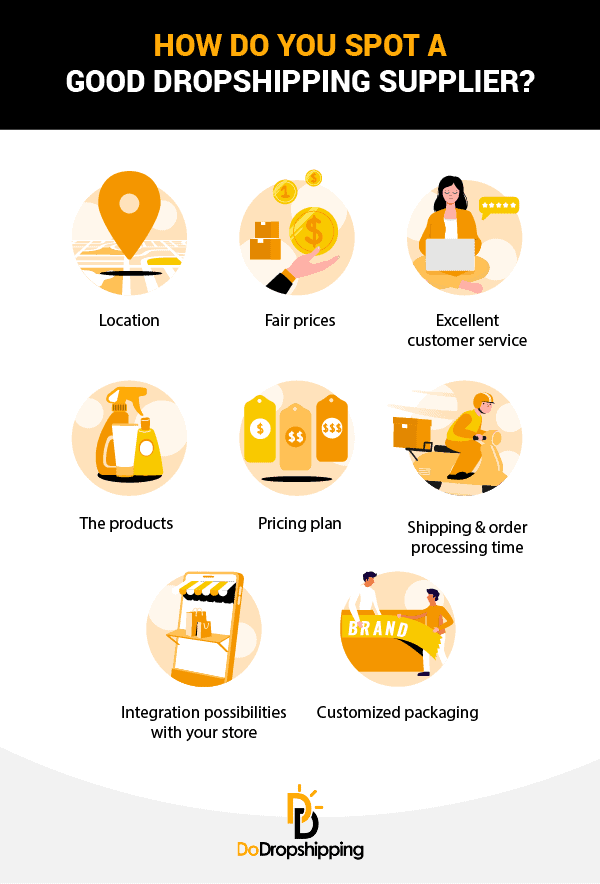
You can also use these 14 questions to ask a dropshipping supplier before you commit.
If you still need help narrowing down your options, use our free Dropshipping Supplier Quiz below.
Tell us your niche and target market, then add your budget and what matters most to you. The quiz will highlight a few suppliers from the Do Dropshipping directory to check first:
How do you make your dropshipping store stand out?
A lot of dropshipping stores end up using the same supplier photos and very similar descriptions.
You don't need a completely unique product to make the store feel like your own.
Here are a few places where you can make a real difference:
- Create your own product images. You can take your own photos or edit supplier images into something that fits your brand. Tools like Glorify can help with ecommerce visuals.
- Write your own product descriptions. Supplier copy is written for a catalog, not necessarily for your customer or brand.
- Improve the store design. Make the important information easy to find and keep the design consistent. If you're using Shopify, you can also compare our favorite dropshipping themes.
- Add useful product videos. A good demonstration can help customers understand what a product does, especially when that isn't obvious from static images.

If you want more ideas, read How to Create a Unique Dropshipping Store: 11 Practical Tips.
And if improving every product page feels like too much at first, that's normal.
Our guide on how many products to start with explains why focusing on one to three products can make the first round of testing easier.
You can also read our tips for standing out from dropshipping competitors.
Registering your dropshipping store
This is the less exciting part, but it's an important one.
Dropshipping is still a real business, so don't leave the legal and tax setup until after you've started taking orders.
The exact requirements depend on your country and business structure.
Check whether you need to register a business, what tax rules apply to you, and which consumer rules you need to follow where you sell.
Our dropshipping taxes guide can help you understand the questions to research.
For the actual rules that apply to your situation, check official local guidance or speak with a qualified professional.
How do you get customers to your dropshipping store?
A finished store doesn't automatically come with visitors, so you'll need a plan for getting your products in front of people who may actually want them.
Broadly, you'll be choosing between organic traffic and paid traffic, or using a mix of both.
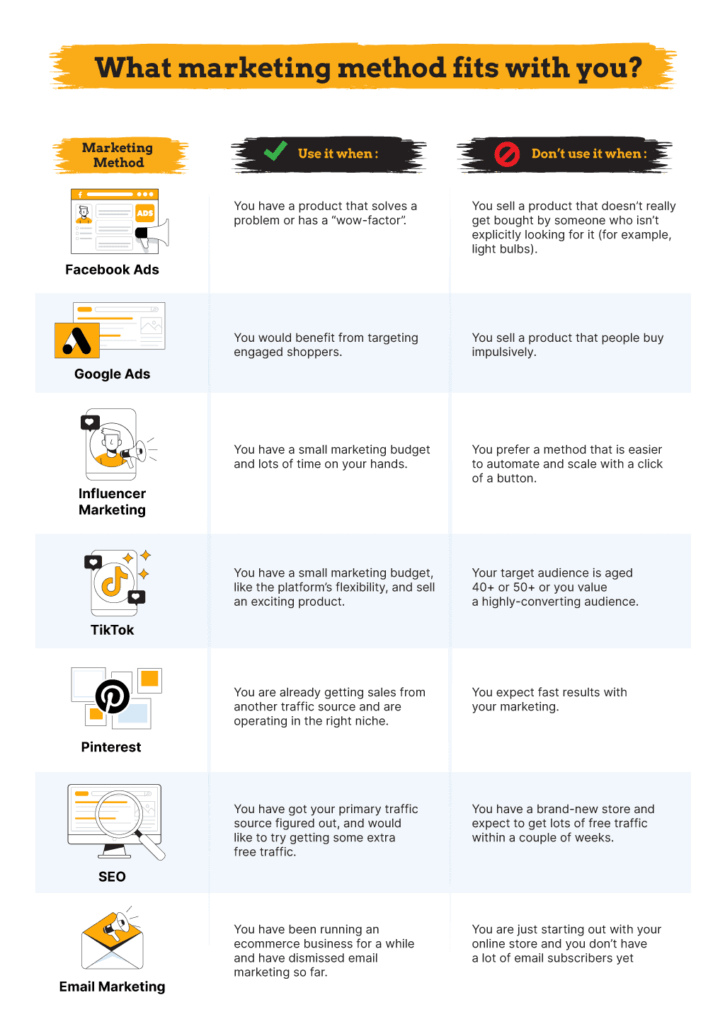
If you're unsure where to begin, our guide to marketing for dropshipping compares the main methods.
How do you get organic traffic?

Organic traffic doesn't require you to pay for every click, but it isn't "free" in the sense of requiring no effort.
SEO and social media can take time before they bring in consistent visitors, and the same goes for content or community-building.
If you want to explore that route, start here:
- Free Traffic for Dropshipping: 9 Tactics That Work in 2026
- SEO for Dropshipping Stores: 7 Ways to Increase Your Organic Traffic
How do you use paid traffic?

By paying for it, of course!
Okay, jokes aside.
Paid advertising can put your offer in front of people faster, but it also adds another cost to manage while you're testing.
If you're budgeting for ads, our dropshipping cost guide also covers advertising.
Don't assume ads will make a weak product or store profitable. They mainly help you buy attention so you can see how people respond.
If you're interested in paid traffic, these guides go deeper:
- 14 Ways That You Can Advertise Your Dropshipping Store
- Google Ads for Dropshipping in 2026: Beginner Guide & Tips
- Facebook Ads for Dropshipping Stores: A Beginner's Guide
- Using Instagram Influencers for Dropshipping: The Pros & Cons
Where can you learn more about dropshipping and ecommerce?
If you've made it this far, you've probably noticed there's a lot to learn.
That's okay!
You don't need to buy an expensive course just to understand the basics of dropshipping and ecommerce.
There's plenty of useful information available for free, but the harder part is deciding which advice is worth paying attention to.
If you come across someone promising quick income or a secret system that supposedly works for everyone, be skeptical.
We go deeper into that topic in our guide on whether paid dropshipping courses are worth it.
And if you want more places to keep learning for free, start with these:
- Our favorite dropshipping resources
- Top 10 Dropshipping & Ecommerce Blogs
- The 17 Best Free Dropshipping Courses
And of course, all our guides linked throughout this article are free to read too.
Pick the question you're dealing with right now, learn enough to make the next decision, and come back when you need the next piece.
Conclusion
So, there you have it!
You now know how dropshipping works and why people use it. We've also covered what it can cost and the main steps involved if you decide to continue.
The biggest thing I'd remember is that dropshipping is a fulfillment method, not a shortcut around running a real ecommerce business.
You don't need to rush into building a store today.
Take some time to look at the costs and supplier dependence, then think about the customer responsibilities and how much testing you're comfortable with.
If dropshipping still makes sense for you, work through the setup one step at a time.
Our free dropshipping checklist can help you keep the main steps and decisions in one place.
And if you're still unsure whether you should start at all, that's fine too.
If timing is the problem, you might also like our guide on what to do if you can't start dropshipping yet.
If you have any questions, let us know in the comments below!
Want to learn more about dropshipping?
A few guides we'd point you to next:
- Instagram Marketing for Dropshipping: A Complete Guide!
- 10 Dropshipping Marketing Strategy Tips to Grow Your Business
- 6 Tips to Not Get Sued When Dropshipping in 2026 (Must Read)
If you want a shorter step-by-step roadmap, read our 7-step guide to starting dropshipping in 2026.









18 Comments
I want to start dropshipping as a beginner, you so simplified it and it got me more interested. I wish to start soon.
Thanks for these write-ups, it was a wow for me.
Hi Paula,
Thank you so much for your awesome comment! That means a lot 😊
I wish you the best with your dropshipping journey and let me know if you ever have any questions!
Hi,
Just wanted to thank you for this free guides, I am learning so much knowledge and information! Your hard work doesn’t go unnoticed.
Hi Lisa,
That’s so great to hear! Thank you so much 😊
Good luck with everything, and let me know if you ever have any questions!
me too wanted to thank you for this free big informations , I am learning so much knowledge from you mr richard i really appricate this effort,im gonna start my business right now thank you so much
peace and love from morocco
Hi! Sorry for my late reply, but thank you so much for your amazing comment 😊
Let me know if you ever have any questions!
-Richard
God Bless You for this awesome blog about dropshipping,been spending months doing research about dropshipping until i dropped by ur blog,ur blog is loaded with informations i’ve been seeking and now i’m so grateful that finally someone who is willing to share basically EVERYTHING on the net.KEEP UP THE GOOD WORK and GOD BLESS YOU!!!CHEERS
Hi,
Thank you so much for your amazing comment! That’s so great to read 😊
Let us know if you ever have any questions!
– Richard
Thank you very much for your valuable articles. I have read a lot, I have learned a lot and I will try to start an online store. God bless you.
Hi Antonis,
That’s amazing to hear! Good luck with your online store 😊
Don’t forget you can always let us know if you have any questions!
– Richard
Thanks a lot for this article and more others that are listed down bellow for novice like me who is really thinking to start a dropshipping business ! You are absutly good at what you doing, and to top it up , you are giving all this informations for free. Thanks again the time, the energy and efforts . 👍
Hi Ebi,
Thank you for your amazing comment! Reading comments like yours gives us motivation for sure to keep going 😊
Don’t forget to let us know if you ever have any questions, and I wish you the best!
– Richard
I just want to say that I love you! You explained everything so easily!
Hi Ahsan,
Thank you so much for your amazing comment! That’s great motivation 😊
I wish you the best with everything!
– Richard
Great List Do Dropshipping
I was exactly looking for this list and I’ve read out all the article ,you defined all the things very nicely and such a helpful blog for all of us .
Thanks for sharing this type of content .
Hi Ali,
Thank you for your amazing comment! That’s great to hear 😊
Good luck with everything!
– Richard
Oi bom dia!
Perfeito esse post!
Eu estou interessada em começar nessa área do Dropishipping,e comecei a ler e a entender como funciona.
E esse seu post, está me ajudando e muito!
Um abraço.Sucesso sempre!
Hi Clara,
That’s so great to hear! Thank you for your comment 😊
Good luck with everything!
– Richard