

Looking for real dropshipping store examples you can learn from?
We've collected 23 dropshipping stores across pet products, high-ticket ecommerce, clothing, home decor, and other niches.
For each one, we'll show you what makes it worth studying and what the available evidence says about its dropshipping or fulfillment history.
Some are documented Shopify dropshipping store examples, while others have historical or hybrid fulfillment evidence. We'll label that clearly instead of guessing.
We've also kept three historical dropshipping examples in a separate section and included three bonus ecommerce stores at the end. They aren't all traditional dropshipping businesses, but each has something useful to study.
Key takeaways
- Start with your audience. eBike Generation and Euphoria Rave Clothing show how a specific customer group can give your store clear direction.
- Check the full economics. Comfort Plants improved its margins with bundles because shipping live plants was expensive.
- Make product pages answer buying questions. Epic Loot Shop, MiracleSofa, and SaberMasters show the value of sizing information, demonstrations, and clear specifications.
- Fulfillment can change. Some stores use dropshipping alongside inventory, print on demand, or partner brands. Historical evidence doesn't prove the same setup still exists today.
- Borrow tactics, not assumptions. A professional-looking store doesn't prove profitability, and copying someone else's design won't automatically bring you customers.
Let's go into the dropshipping examples now!

Start your store on Shopify
Free 3-day trial + $1/month for 3 months
- Grows with you from first test product to full brand
- Thousands of apps and hundreds of themes to customize your store
- Beginner-friendly editor with pro features when you're ready
No card to start. Cancel anytime.
Dropshipping store examples: An overview
Want a quick overview first? Here's what each main example is useful for studying:
| Store | Niche | What to look at |
| eBike Generation | Electric hunting bikes | High-ticket niche positioning |
| Shock Surplus | Automotive suspension | Product expertise, guides, and customer education |
| FactoryPure | Power equipment and home appliances | Moving from dropshipping to a mixed inventory model |
| Comfort Plants | Houseplants | Bundles, shipping costs, and margins |
| Subtle Asian Treats | Kawaii gifts | Product testing and audience fit |
| Cosybunks | Beds and bedroom furniture | High-ticket buying guidance and supplier relationships |
| Vogueen | iPhone cases and accessories | Focused accessories branding |
| Lalo | Baby and toddler products | Hybrid dropshipping and complementary products |
| Lulu and Georgia | Home decor and furniture | Inventory, wholesale dropshipping, and made-to-order fulfillment |
| Sweet Water Decor | Home decor and gifts | Supplier and retailer partnerships |
| Andie Swim / Andie Co. | Swimwear and vacation apparel | Cross-selling with Shopify Collective |
| Bark & Beyond | Pet supplies | Brand assets and customer retention |
| ClipMyPaws | Pet grooming | International storefront expansion |
| The Kawaii Shoppu | Kawaii products | Consistent visual identity |
| Notebook Therapy | Stationery and journals | Branding and merchandising |
| Epic Loot Shop | Jewelry and accessories | Product videos, descriptions, and size guides |
| MiracleSofa | Sofa covers | Product demonstrations |
| Pillow Slides | Footwear | Building around a focused product range |
| SaberMasters | Lightsabers | Specifications and buying guidance |
| Fresh Juice Blender | Portable blenders | Product-related content and SEO |
| Shadow Meow | Gothic fashion and cats | Combining related interests into a niche |
| iLoveMy.Pet | Pet gifts | Breed-specific navigation |
| Legendary Rootz | Apparel and lifestyle products | Print on demand testing and samples |
Let's go more in-depth now!
The 23 dropshipping store examples in 2026
1. eBike Generation
Niche: Electric bikes for hunters
Dropshipping evidence: Founder interview published by Shopify
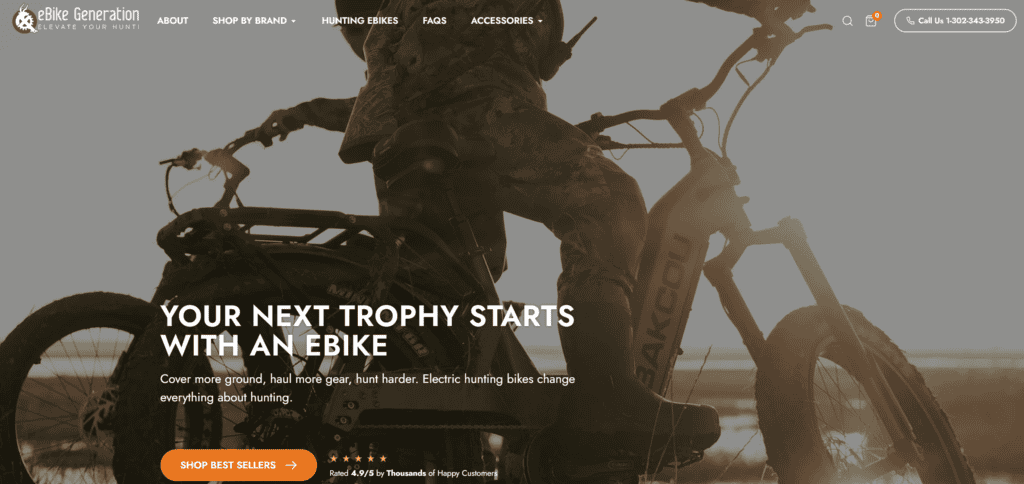
Let's start with a high-ticket dropshipping store that's quite different from the usual AliExpress gadget store.
eBike Generation sells electric bikes, with a particular focus on hunters.
Instead of trying to appeal to everyone who wants an e-bike, the store focuses on what hunters care about.
That includes difficult terrain, carrying hunting equipment, and reaching remote locations.
In a Shopify interview, founder John Murphy explained that he initially targeted a much broader audience.
Once he recognized the opportunity in electric hunting bikes, he narrowed the store's focus. He also shifted its product selection, descriptions, and marketing to match that audience.
In its 2022 interview, Shopify reported that the business had generated $3 million in revenue within three years.
John also discussed working with domestic suppliers and using SEO after running into difficulties with paid advertising.
What can you learn from this store?
- The product descriptions and buying information. Customers considering an expensive e-bike need to understand the specifications and whether the product fits their needs.
- The content strategy. Articles about hunting e-bikes can attract a more relevant audience than general cycling articles.
- Let the niche shape the rest of the store. If you're interested in high-ticket dropshipping, eBike Generation shows how a narrower audience can shape the products you sell and the content you create. It also changes the buying information customers need for an expensive product.
2. Shock Surplus
Niche: Automotive suspension parts
Dropshipping evidence: Shopify founder interview published in June 2026
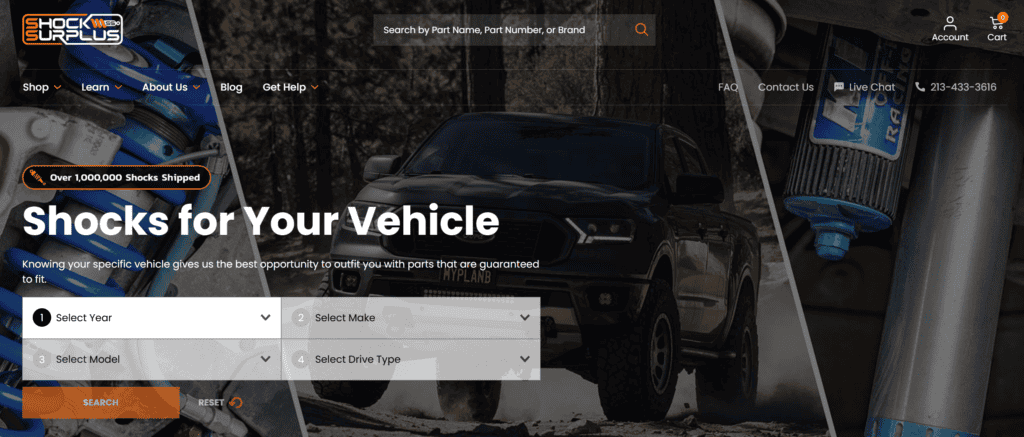
Shock Surplus is a useful high-ticket example because the store must solve a problem generic product pages cannot: customers need to know which suspension parts fit their vehicle and what those parts will change.
In a June 2026 Shopify interview, founder Sean Reyes discussed building the business around dropshipping automotive parts and putting education ahead of chasing revenue.
Shopify described the company as carrying no inventory at the time of the interview.
The current store supports that education-first approach with buyer guides, installation resources, and pages such as Shocks 101.
What can you learn from this store?
- Teach before asking for the sale. When fitment and product differences are complicated, useful guides can help customers narrow down what they actually need.
- Turn product expertise into a competitive advantage. A large supplier catalog is easier to copy than clear explanations about compatibility, use cases, and installation.
- Build content around purchase questions. Educational pages can attract people who are already researching a suspension problem, then help them move toward the right product.
3. FactoryPure
Niche: Power equipment and home appliances
Fulfillment model: Mixed inventory and dropshipping
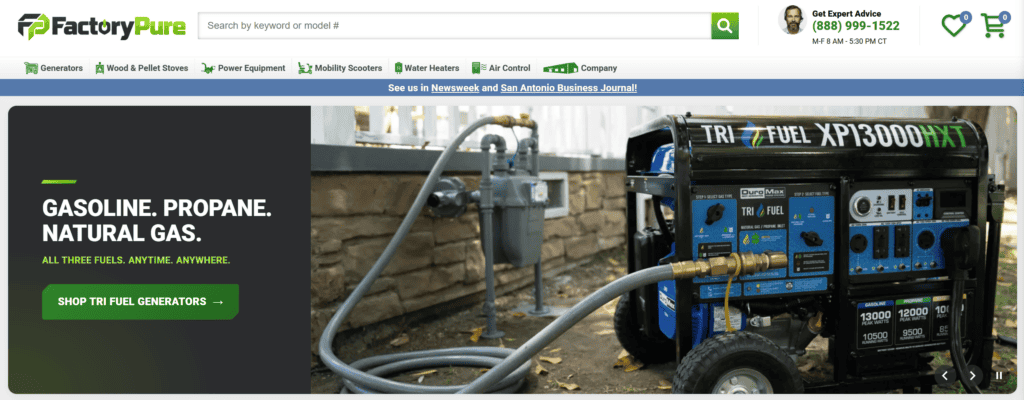
FactoryPure is useful because its fulfillment model changed as the business grew.
In Shopify's 2026 comparison of ecommerce and dropshipping, cofounder Eugene Ravitsky explains that FactoryPure initially dropshipped air purifiers before moving into stocking its own generators.
Shopify says the company now stocks most of its inventory while still dropshipping products from smaller brands, which Eugene describes as a mixed model.
What can you learn from this store?
- Your fulfillment model does not have to stay fixed. Dropshipping can reduce inventory risk while testing products, while holding stock may make more sense once certain products have consistent demand.
- Different products can justify different fulfillment choices. FactoryPure stocks most of its inventory while continuing to dropship products from smaller brands.
- High-ticket stores need strong buying support. When products are expensive or technical, clear specifications and product guidance can help customers compare their options.
4. Comfort Plants
Niche: Houseplants
Dropshipping evidence: Founder interview describing supplier-direct fulfillment
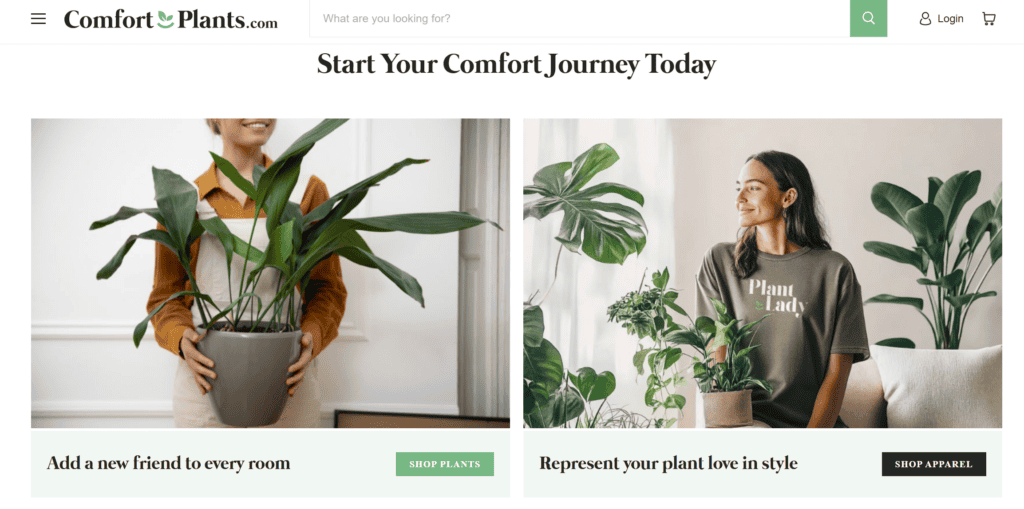
Have you ever thought about dropshipping plants?
Comfort Plants is a good example of why you don't have to limit your product research to the categories everyone seems to be talking about.
The business worked with suppliers that shipped houseplants directly to customers. That meant the founders didn't need to grow the plants themselves or keep them in their own warehouse.
The challenge was shipping: living plants are expensive to send.
In an Acquire.com interview, founder Austin Coker explained that the business improved its margins by selling bundles of at least four plants.
Spreading the shipping cost across a larger order made the numbers more workable.
Comfort Plants also faced rising Facebook advertising costs, and the founders eventually sold the business after trying other ways to attract customers, including SEO and influencer partnerships.
The store has also offered products through different fulfillment arrangements, including dropshipped plants and print on demand apparel.
What can you learn from this store?
- Check the full order economics. When you're checking whether a product's margins work, the supplier price is only one expense. You also need to account for shipping and payment fees, along with advertising, refunds, and other operating costs.
- Use bundles when they solve a real cost problem. Before rejecting a product because its shipping cost looks too high, consider whether customers would naturally buy several related items together. Make sure the bundle offers real value, not just extra products people don't need.
5. Subtle Asian Treats
Niche: Kawaii gifts and bubble tea merchandise
Dropshipping evidence: Shopify founder story
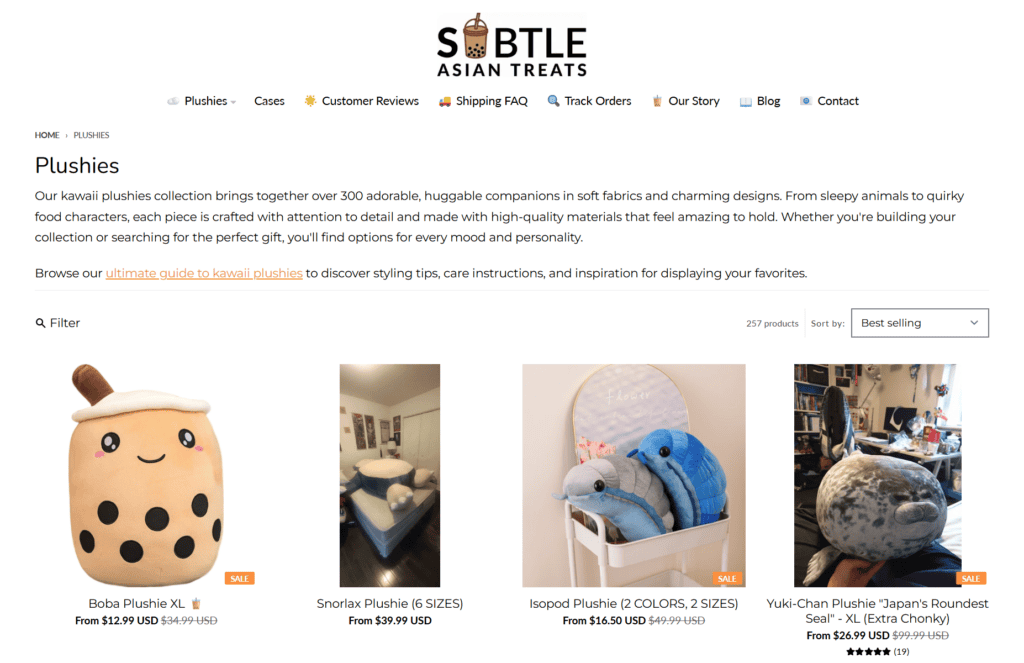
Here's an example for anyone who's still trying to find the right product to sell.
Subtle Asian Treats became known for its bubble tea plush toys and other cute merchandise, but that wasn't the first idea its cofounder tried.
According to Shopify's dropshipping success story, Tze Hing Chan tried phone cases and kitchenware as well as martial arts items before finding stronger demand for bubble tea plush toys.
Shopify reported that he made $19,000 in profit over the two months covered in the story.
What can you learn from this store?
- The useful lesson is the audience fit. Bubble tea already had an enthusiastic following, and the plush toys gave customers a fun way to connect with it.
- Improve the product presentation before publishing. The founder also improved product presentation by editing photos, improving descriptions, and setting clear shipping expectations.
- Use the audience as your product-research starting point. If you're still researching products, start with the audience. What do they enjoy? What problems do they have? Which products would actually feel relevant to them? That gives you a better starting point than importing a collection of unrelated trending products and hoping one of them sells.
6. Cosybunks
Niche: Beds, mattresses, and bedroom furniture
Dropshipping evidence: Flippa listing describing a UK high-ticket dropshipping business
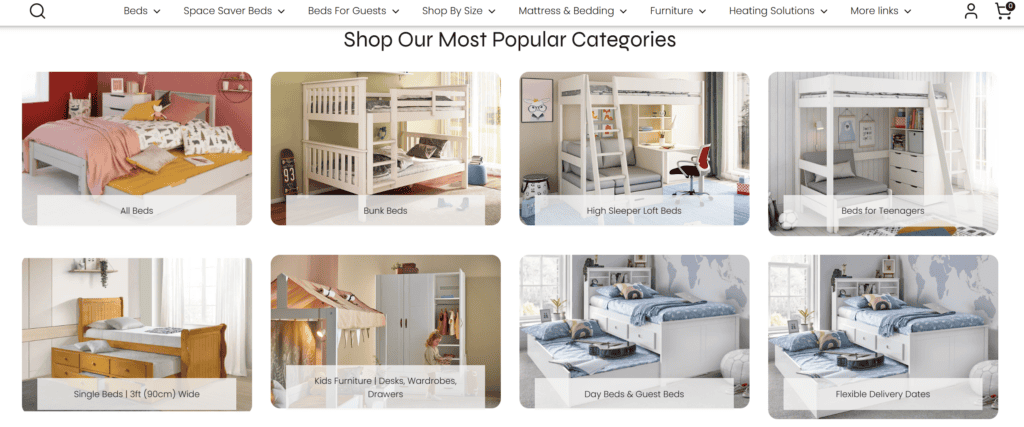
Cosybunks brings another high-ticket category into the list: beds and bedroom furniture for UK customers.
A Flippa listing describes it as a high-ticket dropshipping site with an established supplier network.
The current store also presents itself as an authorized dealer for multiple brands and publishes buying information around beds, mattresses, and related furniture.
What can you learn from this store?
- Reduce uncertainty before a high-value order. Furniture buyers need dimensions, product specifications, delivery information, and useful buying guidance because they cannot see the item in a showroom first.
- Supplier relationships matter more as order values rise. Reliable product information, warranties, delivery handling, and communication become more important when a single order is worth much more.
7. Vogueen
Niche: iPhone cases and mobile accessories
Dropshipping evidence: Flippa listing describing dropshipping fulfillment
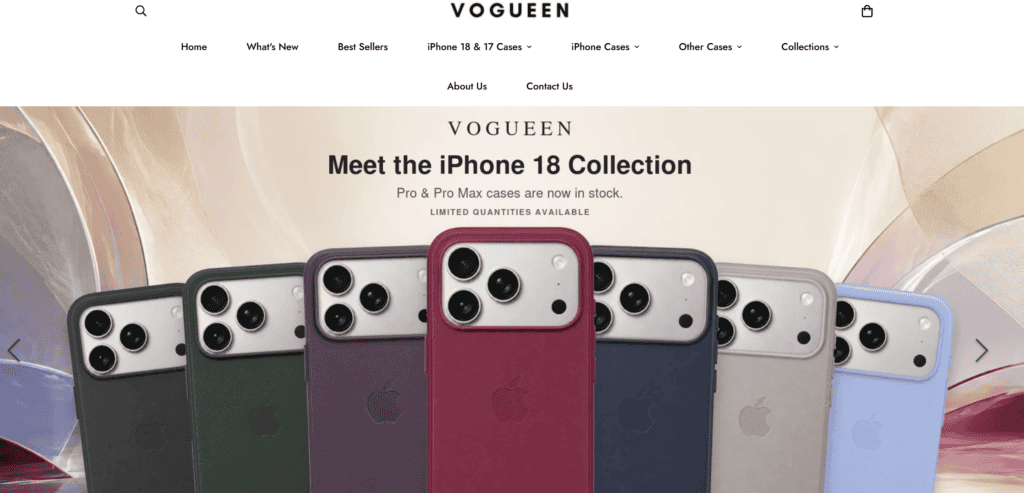
Vogueen shows how a store can stay visually focused even when the underlying fulfillment model is supplier-led.
Its Flippa listing describes a Shopify brand selling premium iPhone cases through a dropshipping supplier network.
What can you learn from this store?
- Give a simple accessory category a clear point of view. Cases are easy to source, so the brand presentation and a focused range of related mobile accessories matter if you want the store to feel distinct.
- Separate branding strength from business performance. A polished storefront and social following can be worth studying, but neither tells you the current profit on its own.
8. Lalo
Niche: Baby and toddler products
Business model: Hybrid ecommerce and dropshipping
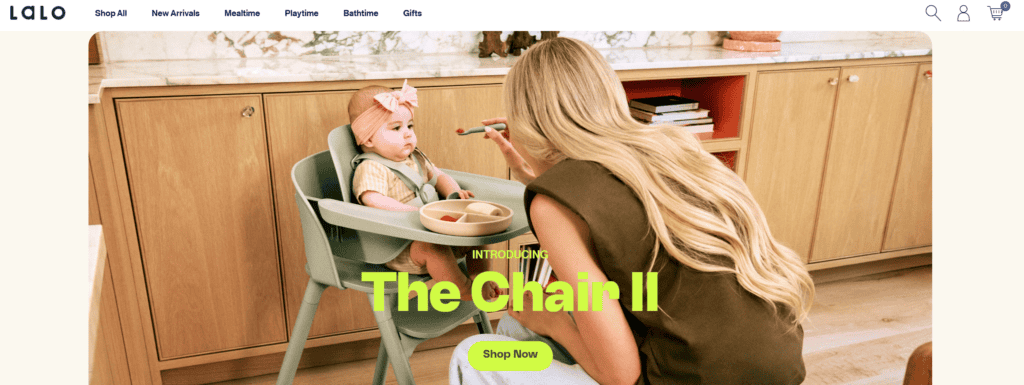
Lalo shows a different way to use dropshipping.
The baby and toddler brand sells its own products while also using dropshipping to offer complementary items from partner brands.
According to Shopify's case study, Lalo uses Shopify Collective to connect with other businesses such as PlanToys. It then makes those products available through its own store.
That means dropshipping isn't the only part of the business model, but it's one way the brand expands its product selection.
Shopify reported that orders containing Collective products had a 16% higher average order value in the case study.
What can you learn from this store?
- Choose complementary products for the same customer. This example is useful because of the relationship between the products. If someone is already shopping for baby furniture or other essentials, complementary items may make sense for the same family.
- Lalo shows how dropshipping can be one fulfillment option inside a broader ecommerce business. As your business develops, you may decide to hold stock for some products or work directly with manufacturers while still dropshipping certain complementary items.
9. Lulu and Georgia
Niche: Home decor and furniture
Business model: Hybrid inventory, wholesale dropshipping, and made-to-order fulfillment
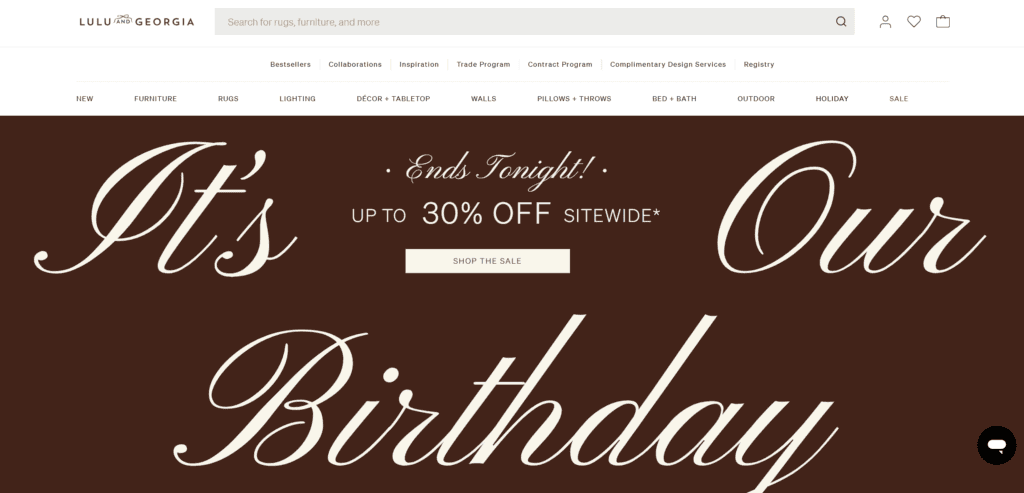
Lulu and Georgia uses several fulfillment models, so it gives us a different kind of dropshipping example.
In a June 2026 Shopify interview, founder Sara Sugarman explained that about half of the company's revenue came from products it designed, imported, and inventoried.
The rest was split between wholesale partners using a dropship model and made-to-order upholstery.
That firsthand breakdown gives us a much clearer view of the fulfillment mix than looking at shipping times or product listings.
What can you learn from this store?
- Use different fulfillment models for different products. Inventory can make sense for core items while wholesale dropshipping or made-to-order production fills out the assortment.
- Let the merchandising feel unified even when fulfillment is not. Customers shop the room and the style, not the internal logistics behind every product.
- Do not treat dropshipping as an all-or-nothing decision. A mature ecommerce business can use it selectively where it improves assortment without forcing the whole catalog into the same model.
10. Sweet Water Decor
Niche: Home decor and gifts
Business model: Supplier and retailer partnerships through Shopify Collective
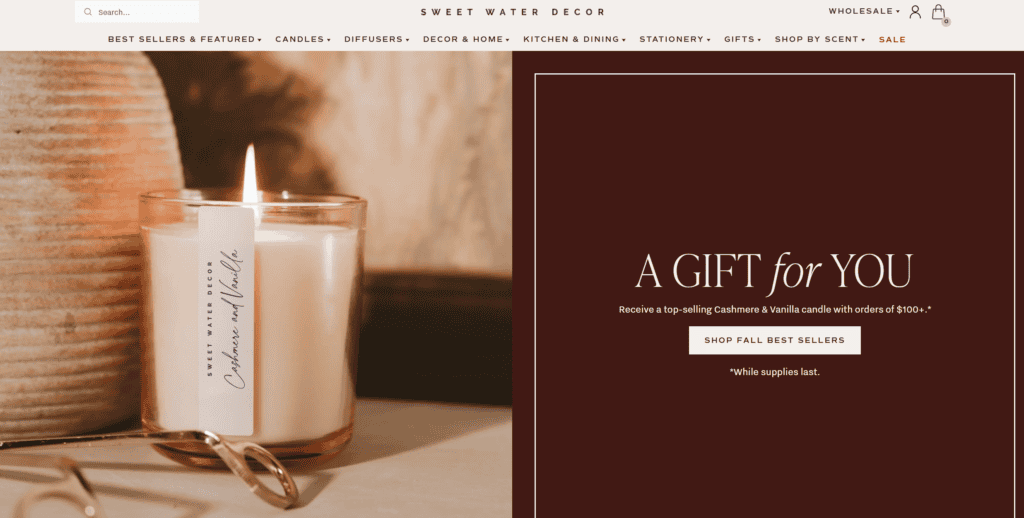
Sweet Water Decor is useful because it operates on both sides of a modern dropshipping relationship.
A Shopify case study documents the brand using Shopify Collective as a supplier to other retailers while also sourcing partner products for its own store without holding that inventory.
That makes it a hybrid ecommerce example rather than a traditional store built entirely around third-party products.
What can you learn from this store?
- Think about dropshipping from both sides of the partnership. A brand can supply products to other retailers and also use partner products to broaden its own catalog.
- Add products that strengthen the existing assortment. Retailer-side dropshipping works better when the new products feel like a natural extension of what customers already expect from the store.
- Protect the customer experience across partners. More suppliers can expand selection, but delivery, product information, and support still need to feel coherent to the shopper.
11. Andie Swim / Andie Co.
Niche: Swimwear and vacation apparel
Business model: Hybrid brand using Shopify Collective for partner products
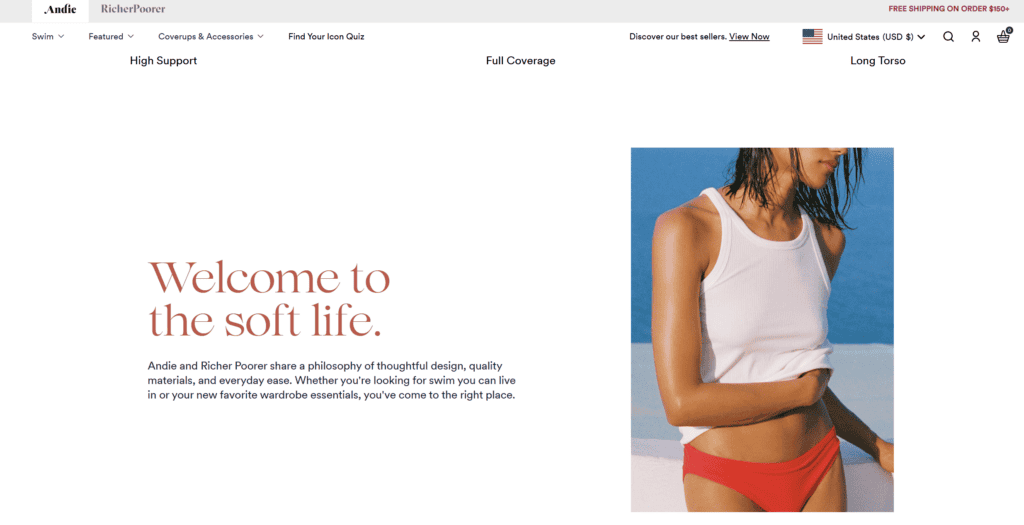
Andie is another example where dropshipping supports an established brand instead of replacing its core products.
In a Shopify case study, the company explains that it uses Shopify Collective to cross-sell products from partner brands without taking on inventory.
Shopify also documents reciprocal dropshipping with partner Sunshine Tienda.
The useful lesson is to think about what a customer may want next once the core purchase is clear.
What can you learn from this store?
- Cross-sell around the same use case. Vacation-ready partner products make more sense beside swimwear than an unrelated high-margin item would.
- Use partner inventory to test an adjacent category. Collective can reduce the inventory commitment, but the partner and products still need to fit what customers expect from the brand.
12. Bark & Beyond
Niche: Pet supplies
Dropshipping evidence: Public business-for-sale listing
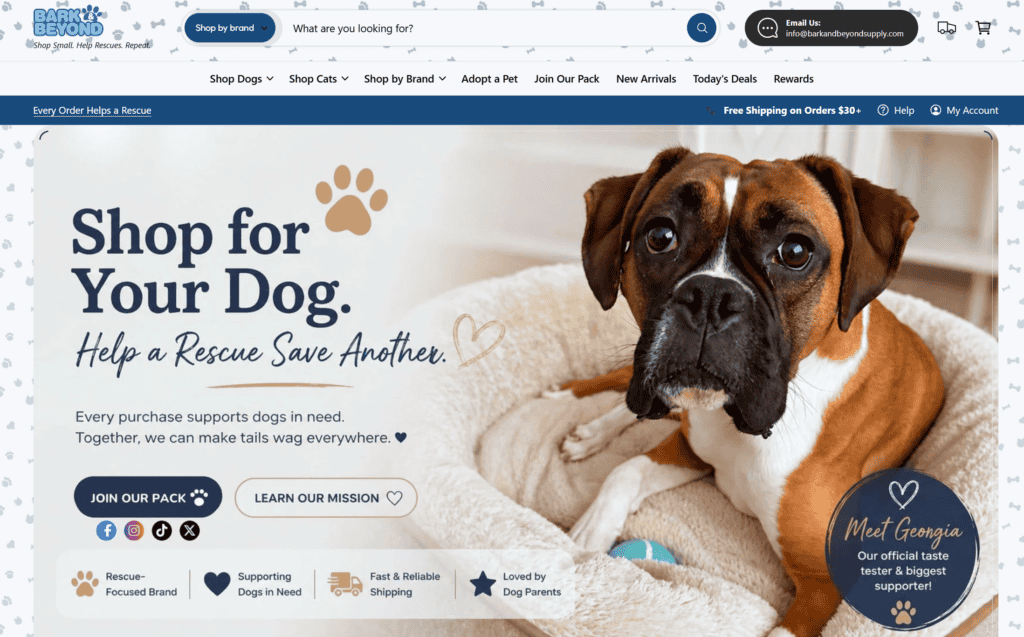
Next is Bark & Beyond, a pet-supply store with a public Flippa listing describing the business and its operations.
According to the seller, the store launched in 2020 and operates primarily through dropshipping.
Its catalog includes dog-related products such as toys, treats, accessories, and gifts.
The listing also describes an email list and social media accounts, plus branding materials, customer information, and supplier relationships.
What can you learn from this store?
- Build assets around the catalog. Products get a lot of attention early on, but the audience and systems around the store can become valuable parts of the business too.
- Give the audience a reason to return. An email list lets you reach interested customers again, helpful content can attract visitors who aren't ready to buy yet, and reliable supplier relationships can make customer service easier.
13. ClipMyPaws
Niche: Pet grooming products
Dropshipping evidence: Flippa listing describing a zero-inventory model
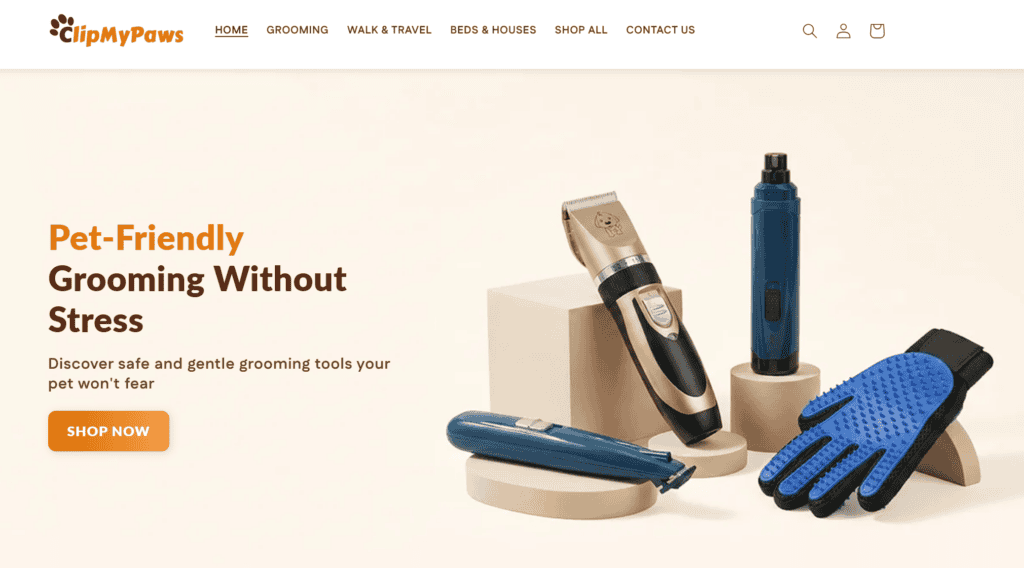
ClipMyPaws is useful for studying what happens when the same product business is expanded across several countries instead of sending every visitor to one global storefront.
A Flippa listing describes a zero-inventory dropshipping business with separate Shopify storefronts for the US, UK, Australia, and Canada.
The listing reports $328,045 in lifetime revenue since inception, with Flippa verifying revenue, primary expenses, and traffic.
What can you learn from this store?
- Localize more than the currency symbol. Separate storefronts can support country-specific offers, wording, shipping expectations, and merchandising when the markets are large enough to justify the extra work.
- Do not multiply stores before the operation can support them. Four storefronts also mean more pages, tracking, updates, and customer-facing details to keep consistent.
- Compare international expansion with one-store localization. A separate domain or storefront can make sense, but it is not automatically better than a single store that handles markets well.
14. The Kawaii Shoppu
Niche: Kawaii products
Dropshipping evidence: Historical Oberlo and DSers evidence

The Kawaii Shoppu is one of the original examples worth keeping because its visual style is so recognizable.
Its colors, product photography, and overall design fit the kawaii audience, rather than looking like a collection of unrelated supplier products.
This store started around 15 November 2019 and installed the Oberlo app almost immediately:

After the Oberlo shutdown, the store installed DSers and later published a review on the Shopify App Store for the DSers app:

What can you learn from this store?
- The store design. Notice how the colors and imagery feel consistent throughout the website.
- The product selection. Even though the store sells different types of products, they fit the same general style and audience.
- Make the design choices your own. If you're building a store for fitness enthusiasts, your design will probably look different from a store selling cute stationery, and that's a good thing. You don't need the same theme or colors as The Kawaii Shoppu; the key is making your design choices feel intentional.
15. Notebook Therapy
Niche: Stationery and journals
Dropshipping evidence: Historical Do Dropshipping AliExpress research
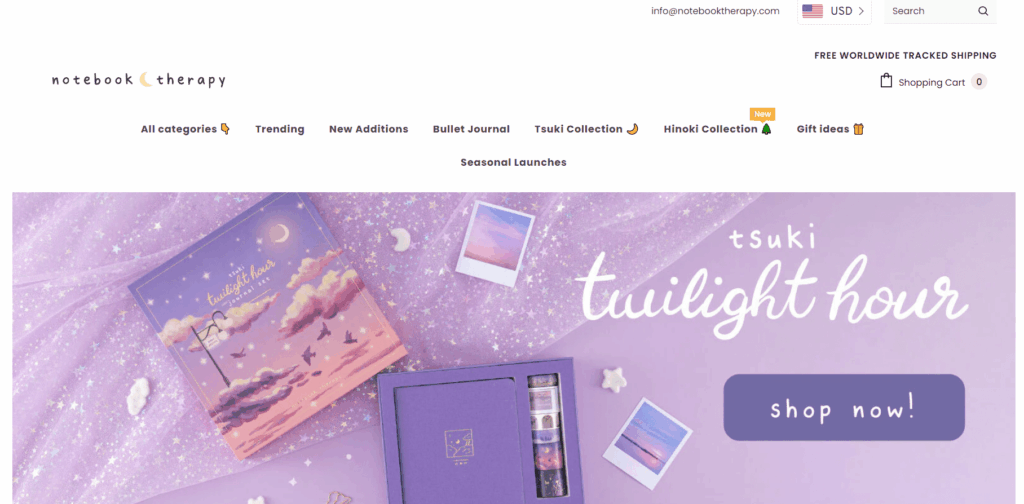
In our earlier AliExpress dropshipping store research, we found a Notebook Therapy product listed on AliExpress and documented the store's longer shipping estimates at the time.
That is useful historical evidence, but it does not verify Notebook Therapy's current supplier arrangements. A matching AliExpress product or long shipping time alone would not be enough to make that current claim today.
Notebook Therapy has a recognizable style, from its stationery products and photography to its colors and overall presentation.
What can you learn from this store?
- Keep the whole storefront visually consistent. Everything feels like it belongs to the same brand.
- Borrow the principle, not the aesthetic. You don't need to copy its aesthetic. Your own store might be bright and playful, minimalist, or built around an entirely different style. What matters is that your design choices make sense for your audience and stay consistent throughout the website.
16. Epic Loot Shop
Niche: Viking-inspired jewelry and accessories
Dropshipping evidence: Historical store-confirmed dropshipping app usage

Epic Loot Shop is another example with some useful product page ideas.
We previously confirmed that it used Oberlo and DSers via Google Search:

What can you learn from this store?
- Look at the product presentation. Epic Loot Shop has used themed imagery and videos that fit its audience instead of relying on generic supplier copy.
- Answer questions customers can't answer in person. The store also provides detailed descriptions and ring and bracelet size guides. That might sound small, but think about how customers shop for jewelry online. They can't try on a ring before ordering, so clear measurements make decisions easier and help prevent mistakes.
The same idea applies to plenty of other products. Clothing stores need useful size charts. Furniture stores should explain dimensions. Electronics stores may need compatibility information. When you're improving product pages, appearance is only one part of the job, so ask whether someone can confidently decide which product or option is right for them.
17. MiracleSofa
Niche: Sofa covers
Dropshipping evidence: Historical business listing

MiracleSofa is a good example of a product that benefits from being shown in action.
A historical Flippa listing documented the store's dropshipping operation:

What can you learn from this store?
- Show the product in action. Now, think about what someone wants to know before buying a sofa cover. Will it fit their sofa? Is it difficult to put on? What does it look like when it's installed?
The store has also used GIFs in its product descriptions. A short demonstration can answer several questions much faster than a long paragraph. - Use demonstrations where the product needs explanation. You can apply this idea to products that need assembly, installation, or a little explanation. For example, if you're selling a kitchen gadget, show how it works.
If you're selling a storage solution, show how it fits into a real room. Don't forget to explain limitations as well as benefits, because a customer who understands exactly what they're buying is less likely to be disappointed when the order arrives.
18. Pillow Slides
Niche: Comfort footwear
Dropshipping evidence: Historical Oberlo and supplier-app evidence

Next up is Pillow Slides, a store that originally built its identity around cushioned slides.
At first they used Oberlo, but they later switched to Zendrop:

What can you learn from this store?
- Start with a focused product range. Instead of starting as a general shoe store, Pillow Slides built a recognizable identity around a particular type of comfortable footwear, then expanded into related sandals, slippers, and shoes. That's a sensible direction for a focused brand because the newer categories are still connected to what customers originally came for.
- You don't need hundreds of unrelated products to make a store feel complete. A smaller catalog can make it easier to create consistent photography, write helpful product descriptions, and explain what your brand is about. Just make sure the products themselves live up to the expectations your marketing creates.
19. SaberMasters
Niche: Lightsabers
Dropshipping evidence: Historical DSers evidence

Here's a niche you probably don't see in every dropshipping examples article: lightsabers!
SaberMasters started around 18 September 2020 and installed the DSers app almost instantly. After that, they never removed the app, making it almost certain they were dropshipping.
Besides their shipping policy, other people online also pointed out that they are most likely dropshipping.
For example, see this Reddit post here and check out this Instagram post:

What can you learn from this store?
- Make the buying guidance do real work. The main thing to study here is the buying guidance, because different lightsabers can have different designs, features, and options. Someone who hasn't purchased one before might not know which model is suitable, which is where detailed product information becomes useful.
Look at the specifications, FAQs, and supporting guidance. These resources can help customers understand what they're buying without needing to contact support for every question. It's a good lesson for any store selling products with multiple versions or technical features. - One more thing: If you feature customer reviews or media mentions, make sure they're genuine and accurately represented.
20. Fresh Juice Blender
Niche: Portable blenders
Dropshipping evidence: Historical CJdropshipping evidence

Fresh Juice Blender started around June 2021 and was registered as a UK company on 26 August 2022.
Our earlier research found the CJdropshipping app installed on 11 December 2021:

This store is useful to study because of its product-related content.
It has published recipe content and focused on search terms connected to portable blenders, which can reach someone interested in smoothie recipes even if they weren't originally planning to buy one.

What can you learn from this store?
- Build content around real product use. The same content idea works outside kitchen products: a gardening store could create plant care guides, a cycling store might publish equipment comparisons, and a pet store could answer common questions about choosing accessories.
- Remember, the content should help the reader. Writing a useful article takes more work than adding a few keywords and a product link, but it gives visitors a better reason to trust your store.
21. Shadow Meow
Niche: Gothic fashion and cat-themed products
Dropshipping evidence: Historical mixed dropshipping and print on demand evidence

Shadow Meow has one of the more unusual niches on this list.
The store combines gothic fashion with cat-themed products. It sounds like an unexpected combination at first, but it gives the business a distinctive audience.
A historical product match connected the store to Spocket, while other evidence suggested it used Gelato for print on demand products.

That makes Shadow Meow a mixed-fulfillment example rather than a store we should describe as purely dropshipping.
What can you learn from this store?
- Combine interests only when they make sense for the same customer. The main lesson is about choosing a niche. Sometimes you can create a recognizable store by combining two interests that naturally overlap, such as gifts for gardeners who love cats or accessories for people who enjoy a particular type of music. That only works when the products make sense for the same customers.
- Keep the niche easy to explain. If your store's niche is difficult to explain in one or two sentences, it may be worth reviewing whether your product selection is focused enough.
22. iLoveMy.Pet
Niche: Gifts for dog and cat lovers
Dropshipping evidence: Store-published DSers reference and our earlier research

Let's return to the pet niche for an example with a useful approach to store navigation.
iLoveMy.Pet sells gifts and merchandise for people who love dogs and cats, with collections organized by breed.
Someone looking for a French bulldog gift doesn't necessarily want to browse hundreds of generic pet products, so a breed-specific collection helps them find relevant items much faster.
Its published privacy policy names DSers as one of the services used for fulfillment.
That gives us a store-published dropshipping connection, though it doesn't tell us which products currently use it.
What can you learn from this store?
- Look beyond individual product pages. Its category pages and customer review page are also worth studying.
- Organize the store around how customers actually browse. Could your customers browse by interest or occasion, product type, or another meaningful category? Good navigation helps visitors find the products they actually came for.
23. Legendary Rootz
Niche: Apparel and lifestyle products
Fulfillment evidence: Founder coverage of print on demand suppliers
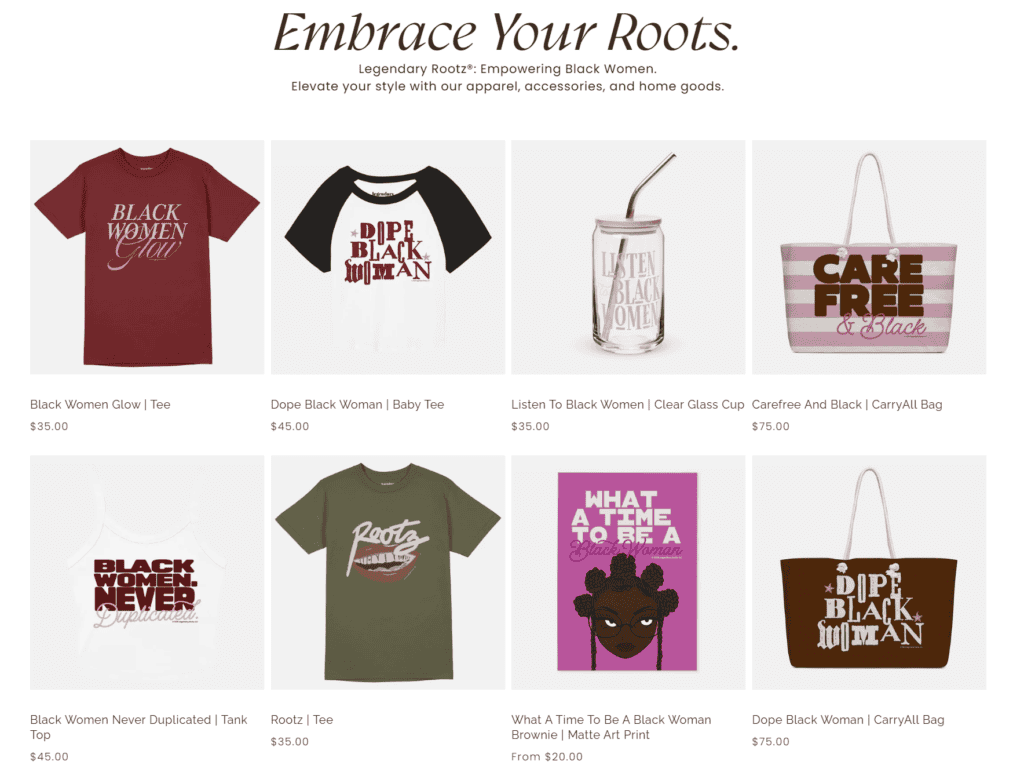
Legendary Rootz is the final main example, and it uses print on demand rather than conventional product dropshipping.
In Shopify's guide to print on demand profitability, founder Raven Gibson explains how she used print on demand to launch original designs while she was in college.
In the same article, Raven describes print on demand as a way to test a product without committing hundreds or thousands of dollars to bulk inventory.
Raven's advice about ordering physical samples is especially useful because a design that looks right on screen can still print differently on the actual product.
What can you learn from this store?
- Use print on demand to test original designs with less inventory risk. The model can help you learn which ideas customers respond to before deciding whether bulk production makes sense.
- Order samples before you trust the mockup. Check the physical print, colors, material, and placement rather than assuming the digital preview matches what customers will receive.
- Know when the fulfillment model should change. A product that proves demand may eventually make more sense with a different production or inventory setup.
Historical dropshipping store examples
These three stores remain useful because founder interviews, business listings, or our earlier research document how they operated.
We've separated them from the main list because their current storefront or fulfillment status is different or less clear.
Historical does not mean the businesses all failed.
Euphoria Rave Clothing was sold, Pawsitive Vibes showed a relaunch notice at our October 2026 check, and the PetsinParty evidence comes from a historical business listing.
Historical 1. Euphoria Rave Clothing
Niche: Rave and festival clothing
Dropshipping evidence: Founder interview and documented business sale
Next up is Euphoria Rave Clothing, a store built around a very specific community: people who enjoy raves and music festivals.
Founder Derek Rodrigues launched the Shopify store in 2020 and used AliExpress suppliers to fulfill orders.
In an Acquire.com interview, he explained how he selected products for the audience and ran Facebook Ads.
He eventually sold the business in March 2023.
According to the interview, Euphoria generated around $255,000 in revenue from approximately 4,000 orders before the sale.
What can you learn from this store?
- Build collections around the same occasion. The product selection is the more useful lesson. Take a look at the categories. You'll find bodysuits and matching sets alongside tops, bottoms, and accessories. They all fit the same occasion so that customers can browse for an entire festival outfit rather than one isolated product.
That approach could work in plenty of other niches. Someone shopping for camping equipment might want several related items, just as someone buying home decor may want products that work together. - Remember that audience fit does not remove the marketing work. Derek also explained that revenue declined when he stopped creating and managing new campaigns, which is a useful reminder that finding an audience doesn't remove the ongoing work of keeping your marketing effective.
- Make the collection useful rather than random. See whether your collections help customers build a complete solution, because useful product groupings can make shopping easier without adding unrelated items to your catalog.
Historical 2. PetsinParty
Niche: Pet accessories
Dropshipping evidence: Historical Flippa listing
Here's another pet store, but with a slightly different lesson.
A Flippa listing for PetsinParty describes a dropshipping business selling several types of pet accessories.
The listing mentions grooming products and personalized gifts, along with retractable leashes and portable water bottles.
The listing includes historical financial information, but some figures differ between its summary and description, so we wouldn't use those numbers to judge the business's profitability.
What can you learn from this store?
- Group products around the same buyer. Those products aren't identical, but they share something important: they serve pet owners. Someone buying a leash might also want a portable water bottle for walks.
A customer shopping for a personalized pet gift might want other items featuring their favorite animal. That's a much more natural way to expand a store than adding a completely unrelated product simply because it's trending. - One idea to borrow. When adding products to your store, ask what else your existing customers might reasonably need so you can create useful collections and recommendations without losing your niche.
Historical 3. Pawsitive Vibes
Niche: Pet products and gifts
Dropshipping evidence: Historical Spocket review and our storefront research

A historical Spocket review associated with Pawsitive Vibes documents its dropshipping connection at that time:

At our October 2026 check, Pawsitive Vibes showed a password page saying the business is relaunching soon, so we are keeping it as a historical example rather than calling it permanently closed or assuming its current fulfillment setup.
The store has also offered pet-related content and tools alongside its products, including articles, a pet-matching quiz, and a downloadable dog birthday cake recipe, all of which can give visitors something useful or enjoyable even when they're not ready to buy.
What can you learn from this store?
- Create something the same audience would genuinely use. For example, someone looking for a dog birthday cake recipe may be interested in other pet-related content or products later. That doesn't mean every store needs a quiz or a free download.
The useful question is whether you can create something your audience would actually appreciate. If you're selling gardening products, maybe that's a planting calendar. If you're selling cycling accessories, it could be a maintenance checklist. Start with the customer's interests rather than adding interactive features just because another store has them.
Bonus: Three ecommerce stores worth studying
The next three are useful ecommerce inspiration:
Bonus 1. Turned Yellow: Personalized artwork
Business model: Personalized artwork and custom products
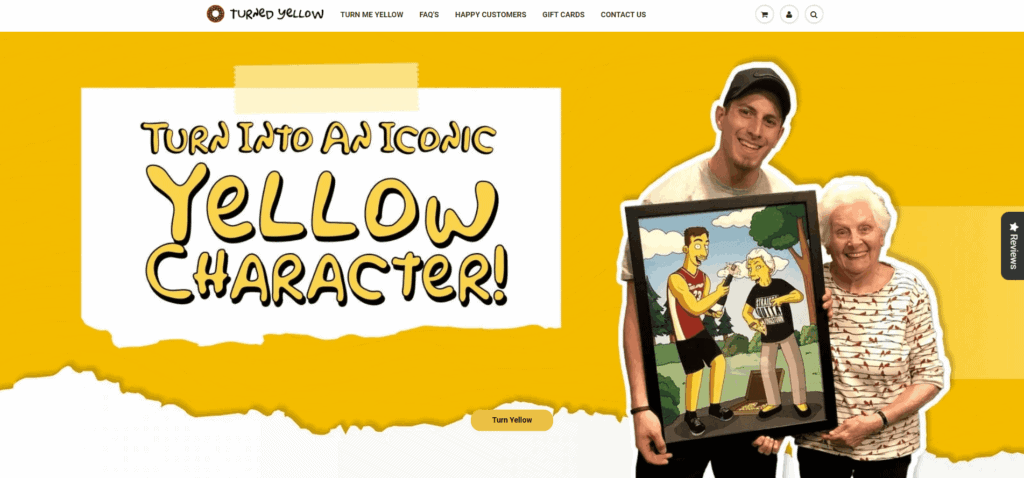
Turned Yellow isn't a traditional dropshipping store, but its customization flow is worth studying.
Customers can upload their photos and order personalized cartoon-style portraits.
They can choose details such as the number of people or pets, along with the product type they want.
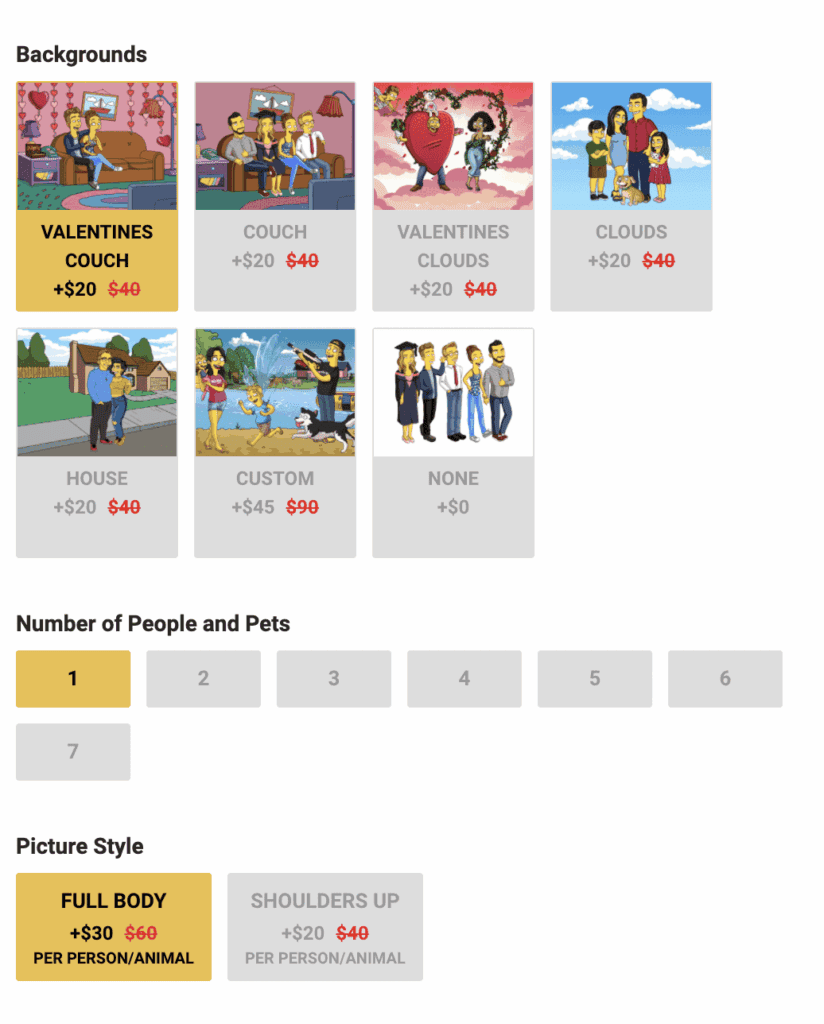
What can you learn from this store?
- Make customization easy to understand at checkout. Instead of making customers explain everything in an email, the website gives them clear options during checkout. If you're offering personalized jewelry or printed gifts, customers need to understand which options are available and what they'll receive.
For more inspiration, check out our personalized store examples.
Bonus 2. Bicycle Booth: Print on demand
Business model: Historically documented print on demand

Next up is Bicycle Booth, a store focused on cycling clothing and accessories.
Historical evidence showed Printful and Printify usage, along with a statement from someone who had worked at the business:


What can you learn from this store?
- Show wearable products in real life. Look at how the store shows cycling clothing in real life. The store has also featured a customer photo section with people wearing the products. That lets customers see how the clothing looks outside a standard product mockup. If you sell clothing or accessories, consider featuring customer photos with permission.
- Pay attention. Also pay attention to sizing information and product details, since customers can't try products on before ordering.
Want more stores like this? Check out our print on demand store examples.
Bonus 3. Inspire Uplift: Ecommerce marketplace
Business model: General ecommerce marketplace

Inspire Uplift was the first store in our original list, but its marketplace-style operation is different from the smaller dropshipping stores above.
It also moved away from Shopify to Magento, so it fits better in this bonus section.
What can you learn from this store?
- Start with the navigation and customer support information. A store with a broad catalog needs to make it easy for visitors to find products, understand shipping and returns, and get help when something goes wrong.
- That's particularly important if you're considering a general store. It's easy to keep adding products, while making the store easier to use as the catalog grows is the harder part.
Which of these are successful dropshipping stores?
We wouldn't call every store on this page successful today because most of them keep current revenue and profitability private.
What we do have are published results for a few of the examples:
- Shock Surplus: Shopify's June 2026 founder profile describes the company as an eight-figure business built around dropshipping automotive parts.
- eBike Generation: Shopify reported in its 2022 founder interview that the business had generated $3 million in revenue within three years.
- Euphoria Rave Clothing: Acquire.com reported around $255,000 in revenue from approximately 4,000 orders before the business was sold in March 2023.
- Subtle Asian Treats: Shopify reported that cofounder Tze Hing Chan made $19,000 in profit over two months during the period covered by its founder story.
Those figures show that the businesses produced real results during the periods covered by the sources.
What makes a good dropshipping store?
Now that we've reviewed the examples, a few lessons keep coming up.
1. A clear audience makes everything easier
Think about eBike Generation, Euphoria Rave Clothing, and The Kawaii Shoppu.
They serve very different audiences, but that's exactly the point: their product selection and marketing make more sense because they're not trying to appeal to everyone.
If you're still choosing a niche, ask yourself who would want several products from your store and what those customers have in common.
2. Your margins need to work in real life
Comfort Plants is probably the clearest example here because shipping costs were a major challenge, so the founders found a way to make larger orders more economical.
When researching products, don't stop at the difference between your supplier price and selling price.
You also need to consider shipping, payment fees, advertising, returns, and the other costs of running the store.
3. Good product pages answer questions
Epic Loot Shop, MiracleSofa, and SaberMasters all offer ideas here. Depending on what you're selling, customers may need measurements and demonstrations.
Other products may need compatibility information or detailed specifications.
Those details might not be as exciting as a big promotional banner, but they can make the shopping experience much better.
4. You don't have to use only one fulfillment method
Lalo is a good reminder that dropshipping can be part of a larger ecommerce business.
You might use dropshipping for some products and hold inventory for others, or combine supplier-direct shipping with print on demand.
Whatever mix you use, you still need to deliver a reliable customer experience.
5. Give customers a reason to return
Bark & Beyond and Pawsitive Vibes offer different ideas here. Helpful content and an email list can give customers a reason to return.
Good customer service and recognizable branding matter too.
Dropshipping handles fulfillment, but it doesn't replace the work of attracting customers and giving them a reason to come back.
How can you tell if an online store uses dropshipping?
Before you use another store as a dropshipping example, check what evidence actually supports that label.
The strongest evidence usually comes from the business itself.
That might be a founder interview, a published supplier arrangement, or a business-for-sale listing that describes the fulfillment model.
Historical app usage can help too, but stores can change suppliers, start holding inventory, or use fulfillment warehouses as they grow.
And remember, finding the same product on AliExpress or seeing a long delivery estimate isn't proof on its own.
If you'd like to research stores in your own niche, check out our guide on how to find other dropshipping stores.
What big stores use or have used dropshipping?
Are you wondering whether dropshipping is only for small Shopify stores?
Some larger ecommerce businesses have used dropshipping as part of their operations, while others started with supplier-direct fulfillment and changed their approach as they grew.
We've got a separate article covering nine ecommerce stores that started with or use dropshipping.
Read it if you're curious about how this fulfillment model can fit into a larger business.
What is dropshipping, and why do people use it?
If you're new to dropshipping, here's a quick explanation:
With dropshipping, you sell products through your online store without keeping the inventory yourself. When a customer places an order, a supplier prepares and ships the product directly to them.
Here's how dropshipping works:
- You list a product in your online store.
- A customer places an order and pays your store.
- You send the order information to your supplier, manually or through an integration.
- The supplier prepares and ships the product to your customer.
- You remain responsible for the customer's experience, including support and resolving problems.

One reason people choose dropshipping is that they don't normally need to buy a large amount of inventory upfront.
Still, that lower inventory commitment doesn't make the business free or easy to run.
You'll still need to research products and find reliable suppliers. You'll also need to calculate costs, market the store, and help customers when something goes wrong.
For more detail, check out our dropshipping guide for beginners.
Why look at dropshipping store examples?
The main reason is inspiration, but the useful kind comes from studying specific choices rather than copying a store.
Looking at other stores can give you ideas you might not have considered before.
You can learn how businesses organize their products, explain what they're selling, and make their websites easier to use.
But there's an important difference between finding inspiration and proving that a business is successful.
A store can look professional and still struggle to make a profit. Running advertisements doesn't automatically mean those advertisements are profitable, either.
These dropshipping website examples are most useful when you study what you can actually see and evaluate, such as the navigation, product pages, branding, content, and customer experience.
Then decide which improvements would make sense for your own audience.
Dropshipping store examples FAQs
Are all these stores still dropshipping today?
Not necessarily. Some examples have published founder stories or case studies, while others have historical evidence of dropshipping apps and supplier relationships.
A business can change how it fulfills orders over time. That's why we've distinguished historical and hybrid examples.
Are these all Shopify dropshipping store examples?
No. Euphoria Rave Clothing was launched as a Shopify store, and Lalo is documented in a Shopify case study, but this list isn't limited to businesses that use Shopify today.
We care more about showing useful examples with evidence behind the fulfillment model than forcing every store into one ecommerce platform.
What is the best dropshipping store example for beginners?
That depends on what you're trying to learn.
For choosing a niche, start with eBike Generation or Euphoria Rave Clothing. Comfort Plants is particularly useful for shipping costs and margins, while Epic Loot Shop and MiracleSofa offer product page ideas. For branding, The Kawaii Shoppu is worth exploring.
Other examples for your dropshipping store
Want even more inspiration? Here are five more articles worth checking out:
- Best dropshipping niche ideas
- Print on demand store examples
- Personalized store examples
- Bad dropshipping store examples
- Ecommerce stores that started with or use dropshipping
Conclusion
These 23 main examples, three historical dropshipping stores, and three bonus ecommerce stores show how many different approaches there are to product selection, branding, content, and fulfillment.
As you've seen, there are plenty of different ways to build an online store.
Some businesses focus on a specific audience, others build a brand around one product category, and some combine dropshipping with other fulfillment methods.
If you're comparing ideas for your own store, pick two or three examples closest to the audience or product type you're considering.
Review their product pages and navigation, then look at their branding and how they answer customer questions.
Choose one or two ideas that could genuinely make your own store better.
You don't need to copy someone else's website to learn from it. In fact, creating something that fits your own customers is a much better goal.
Found another interesting dropshipping store that deserves a place on this list?
Let us know in the comments below. Questions are welcome too!
Previously featured stores
We previously featured these stores in this article, but they are no longer part of the updated list:
- Warmly
- Meowingtons
- Sage & Sill
- Palo
- For My Doggy
- Novus Decor
- Neck Recliner
- How Do I Buy This
- GripXT
- Nimalist







40 Comments
This post contains plenty of useful ideas and examples for people who want to launch a new Shopify store. I greatly appreciate the post. Thank you.
Hi, great to hear that you liked the article!
Good luck with your dropshipping store, and let me know if you ever have some questions.
Everything is very open with a clear description of the challenges.
It was really informative. Your website is extremely
helpful. Thank you for sharing!
Hi, thank you so much for your comment ? That’s awesome to hear!
Good luck with your dropshipping store!
There’s definitely a lot to learn about this topic.
I love all of the points you made.
Hi, awesome to hear! Let me know if you ever have some questions!
Very good info. Lucky me I came across your website by chance (stumbleupon).
I have saved as a favorite for later!
Hi, that’s awesome to hear! I wish you the best with everything 😊
shopolis.com doesnt even exist now
Hi, thanks for your comment!
Yes, that’s correct! That’s why I added ‘Updated’ before I started talking about Shopolis. I also explained there why I still kept it on the list for now.
Plus, their Facebook page (here) is still there, which you can still get some inspiration from.
Good luck with everything, and let me know if you ever have any questions!
I like the Lifebooster website for its simple layout and optimzed and fast mobile design. I couldn’t tell which theme it uses. Can you tell with your experience? Thanks.
Hi, thank you for your comment! If you want to know which theme a store uses, then you can use a tool like this one:
https://shopthemedetector.com/
As you can see, they use the Brooklyn theme. It indeed looks like that theme, but it does look like they did some customization to the theme.
I hope that helps! Good luck with everything 😊
– Richard
I must say, This is a very informative blog and helps me to get new ideas and inspiration from these great looking sites that he mentioned in this blog for building new ecommerce brands on Shopify
Thanks
Hi, thank you for your awesome comment! I wish you the best with everything 😊
I just want to know, why do these never include the business wayfare? They earn billions
Hi Noah,
Thank you for your comment! That’s a great point; the main reason Wayfair is not on this list is that this list mainly contains Shopify stores, and Wayfair doesn’t use Shopify as far as I know.
However, since what you said sounds like a great way to show that dropshipping isn’t only used by small Shopify stores (I mean, small in comparison to stores like Wayfair), we plan on creating a new article where we will cover bigger ecommerce stores that use dropshipping or have used dropshipping in the past (for example, Gymshark started with dropshipping).
I wish you the best with everything!
– Richard
Fantastic written Mate!
Hi Mario, that’s awesome to hear; thanks 😊
Good luck with everything!
– Richard
The fact that many of these “most successful” dropshipping stores are either closed or broken is a testament of the current state of affairs in dropshipping.
Hi,
Thank you for your comment! I don’t get that many comments from people who are negative about dropshipping, but it’s always great to hear different opinions!
Alright, so regarding your comment, I counted them again and currently only 3 out of the 21 store examples are offline, which is around 14%. I kept them there because there are still a few things to be learned from them (for example, how not to treat your customers).
But for you this means dropshipping is not good anymore? Or what is your point here?
I’m looking forward to hearing from you!
– Richard
Hi Richard. I wasn’t trying to be negative, only realistic. You mention offline stores but have you seen “dude gadgets”? It’s totally broken surely abandoned. You can’t even browse their products anymore.
I don’t think dropshipping in good or bad terms. I’m starting a site myself. I just think many drop shippers are really struggling. Probably some were deluded thinking that pushing random products to their sites will make them money. Others might have done everything right but the economy doesn’t help.
Dropshipping is a sound business and can work, but it seems to me the are more failures than success stories.
I think you are doing everyone a great service with your suggestions and guides, but personally i would add that people should really do what they are passionate about. Selling dentistry equipment just because you think it will sell its a recipe for failure.
Hi,
Great point about Dude Gadgets! You got me there, I forgot about them. The thing that you do need to understand here is that I keep updating this article (I think it started with only 12 examples). Plus, I’m sure that there are more dropshipping stores out there that I don’t know about yet.
I definitely understand your opinion, that’s why I created this blog. This blog is all about trying to change people’s mindset from “I’m going to get rich fast” to “Wow, this is a real business!” Did you check out the about page already?
Also, you can take a look at this article here and you will see what I mean.
I would love to chat further if you want, you know where to contact me 😊
I wish you the best with everything man!
– Richard
Very well structured and insightful article!
Thanks and keep up the great work.
Hi Justin,
Thank you for your awesome comment! Let me know if you ever got any questions!
– Richard
Great work Richard and his team. Providing us knowledge seekers with Free and great content which the Gurus continue to sell to us.
I helped my wife start a Shopify store but its a long term thing and potentially branding. W decided on purchasing and holding stock as the challenge on shipping times were not favourable. We hopefully go live in a few weeks once all our stock arrives. These are products she knows a lot about and passionate about to do with children.
I am here because I want to dropship exclusively on my next store and I found your content very useful. Particularly the part about local supplier. I see alot of these Youtube ads with people selling 3k courses to teach you how to dropship using local suppliers here in the UK.
Glad I found your stuff. I have a product I want to dropship and the hardest part is logistics. I am yet to find a good supplier with decent shipping times for UK.
‘In order for the human race to evolve we must help each other’ – Sadly only a few have cracked the code.
Thank you for the great work! – Keep it up.
Jeff
Hi Jeff,
Thank you so much for your amazing comment! It’s so great to hear that you found the content useful 😊
Great news regarding your problem; we have an article scheduled (next week) containing UK dropshipping suppliers. I hope it will be useful for you!
Update: The article with UK suppliers is published, you can find it here.
I want to wish you the best with everything, and let me know if you ever have any questions!
– Richard
Hi Richard,
I just want to congratulate you for your great work and good willing to share what you know with others ! You’re AWESOME Richard ! I find your site today and I will bookmark it, you share pretty interesting stuffs about Dropshipping. Good work !
Hi Roland,
Thank you so much for your amazing comment! Comments like yours keep us motivated to keep publishing new (and hopefully awesome) articles 😊
I wish you the best with everything, and don’t forget to reach out to us if you ever have any questions!
– Richard
Just wow!!! What great work! This is better than any course I’ve taken I paid hundreds for… hands down. Best thing is this is actually up to date. You’re so right about these gurus. You’re doing such a service. Keep it up, goodman!
Hi Aaron,
Thank you so much for your amazing comment! That’s so great to hear 😊
Good luck with everything that you’re going to do, and let us know if you ever have any questions!
– Richard
Mate I never comment on sites or anything for that matter but after reading this just had to comment and say how much I greatly appreciate this article because everyone is out there with abit of information wants to start charging when it literally should be free for everyone.
So thank you brother
Hi Ahmed,
Thank you so much for your great comment! That was amazing to read 😊
Good luck with everything!
– Richard
Hi – great article. One thing that strikes me about a lot of these sites is that even though they look great, some get some terrible reviews with customers talking about the inferior quality and the really long shipping times.
Is this just something that comes with dropshipping? surely all these poor reviews would put these companies out of business?
PS really enjoying all the info you have provided.
Hi,
Thank you for your comment!
Dropshipping can be a great way to get started in ecommerce, but it certainly isn’t without its challenges. The fact is that with dropshipping businesses, a lot of the control over the product quality and shipping times resides with the supplier. That makes it difficult to guarantee customer satisfaction at times. (We go more in-depth about this in this article here)
However, by doing your due diligence beforehand and partnering with reputable suppliers, you can minimize the chances of getting bad reviews. It’s also important to be proactive about resolving customer issues in order to maintain a positive reputation and keep customers satisfied! (Here’s an article going over how to choose the best dropshipping supplier)
For the companies mentioned in this article, I can’t comment on what exactly they are doing to keep their customers happy – but after updating this article a few times with new examples, the ones with bad reviews usually go down one way or another (if they don’t improve anything).
One example of a dropshipping store mentioned in this article at first is Shopolis; check out their Trustpilot profile here. (A lot of negative reviews)
Let me know if you have any other questions, and good luck with everything!
– Richard
Hi! My name is Waqas. I’m very much impressed by your efforts of dropshipping business. Definitely! Someone may get benefits from your article/blog as well. I’m also very interested in starting a dropshipping business after reading the article.
I’m a bit confused after reading the details of some of the dropshipping businesses mentioned above in the list ( Miracle Sofa, Bohemians Mart). They have a lot of traffic in their websites and earn much more money then why do they list their business at Flippa?
Why do they have the intention to sell out the running dropshipping business? So they have become a market leader and also have many customers and social media followers? Then what is the need to sell out the running dropshipping business?
Ref: is listed above in the case of Miracle Sofa and Bohemians Mart.
Could you pls brief about this?
Regards:
Hi Wagas,
Thank you for your comment! It’s great to hear that you like our blog 😊
That’s a great question; the owners of Miracle Sofa and Bohemians Mart may have listed their businesses at Flippa for various reasons. (Here’s a great list of reasons)
It could be that they want to pursue other business opportunities, or they just need extra capital – whatever the reason is, selling a successful business via Flippa is one way to do it. Ultimately, it’s up to the individual business owner to decide what’s best for them in terms of selling or keeping their business!
Good luck with everything!
– Richard
bonjour je nai pas trouvé le lien pour m inscrire a la newletter
merci
Hi Leslie,
Thank you for your comment! We currently don’t have a dedicated page to sign-up for our newsletter, but you can find a subscribe button on our homepage here (at the top).
Good luck with everything!
– Richard
Hello, Richard really good post! Thank you.
Hi Alberto,
That is great to hear! Take care with everything 😊
– Richard