

Thinking about starting dropshipping and wondering what you should know before spending time or money?
You're in the right place!
Opening the store itself can be pretty quick, but that's only one part of starting a dropshipping business.
Before you take orders, you still need to think about your suppliers and products.
You'll also need to plan for cash flow, set realistic customer expectations, and check the rules that apply to you.
So, before you spend more time or money, here are 18 things I'd want you to know.
Key takeaways
- Suppliers: AliExpress is only one option. Whichever supplier you choose, check product quality and shipping before relying on them for customer orders.
- Your responsibility: The supplier may fulfill the order, but the customer bought from you. Product information, policies, support, and expectations still belong to your store.
- Money: Plan for startup costs and keep enough working capital to pay suppliers, because customer payments may not always be available to you immediately.
- Tools: A paid theme, product research tool, or course isn't required. Pay for something when its specific value justifies the cost, not because you think it guarantees better results.
- Before taking orders: Check the business, tax, consumer, and product rules that apply where you operate and sell.
- Next step: Use these 18 points to decide what you still need to research before moving on to the practical setup.
Let's go through them one by one.

1. AliExpress isn't your only supplier option

AliExpress is often the first marketplace for suppliers beginners hear about, but it isn't your only option.
You can also use supplier platforms or directories, work with local suppliers, or use a sourcing agent.
Which route makes sense depends on what you're selling and where your customers are. What matters more is whether the supplier can support the product and customer experience you want to offer.
If you want to compare your options, start with our AliExpress alternatives or browse our local supplier guides.
2. Vet a supplier before you rely on them

Found a supplier that looks promising? Great, but don't stop at the product page.
Before you rely on them for customer orders, check how they communicate and how quickly they process orders.
Also check where they ship from, what happens when stock runs out, and how they handle damaged or incorrect items.
If you're seriously considering a product, order a product sample when practical.
A sample lets you check the item and packaging yourself while getting a better feel for the delivery experience. It won't guarantee every future unit is identical, but it's much better than relying on a listing alone.
If you decide to use AliExpress, our AliExpress dropshipping guide covers the setup in more detail.
3. Learn from other stores without copying them
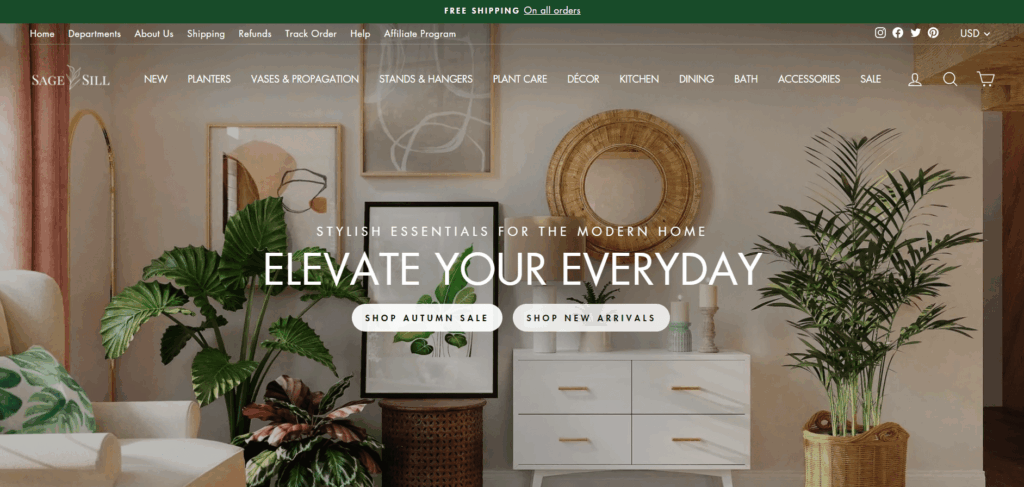
Looking at other ecommerce stores is a useful way to collect ideas.
See how they organize products and explain shipping, then look at the way they write product pages and build trust.
Just don't treat a store you find online as a proven blueprint. You usually can't see its margins or supplier problems, and you may not know whether the business is profitable at all.
Take the ideas that make sense for your audience, then leave the rest.
Our dropshipping store examples are a good place to start.
4. Build a store customers can recognize and trust

Your brand shows up across the whole store. Think about the products and visuals, as well as your policies and customer support.
Your store name matters too, but don't spend weeks searching for the perfect one while ignoring the experience behind it.
Clear product information and consistent visuals can help customers understand what your store is about.
Easy-to-understand policies and reachable customer support can build trust as well.
If you want to dig deeper, read our guide to branded dropshipping.
5. The customer relationship is still yours
A supplier may store and ship the product, but the customer placed the order with your store.
That means you need to give accurate product and shipping information, then help when an order is delayed or something arrives incorrectly.
Before orders start coming in, ask your supplier how they handle common problems.
For example, find out what happens with damaged items or missing packages. You should also understand the return process before you write your own policy.
Our dropshipping customer service guide covers the practical side in more detail.
6. Check the rules before you take orders
Dropshipping is a fulfillment method, but you're still operating an ecommerce business.
The rules depend on where your business is based and where you sell. They can also change depending on the products you offer.
Before taking orders, check whether you need to register a business and what taxes apply. Depending on the market and product, you may also need to follow consumer or product-safety rules.
You also need to avoid selling products that infringe somebody else's intellectual property.
Don't assume a supplier or ecommerce platform handles these responsibilities for you.
Start with our guides on dropshipping legality and dropshipping taxes, then confirm the rules that apply to your own situation with official sources or a qualified professional when needed.
7. Choose an ecommerce platform based on what you need
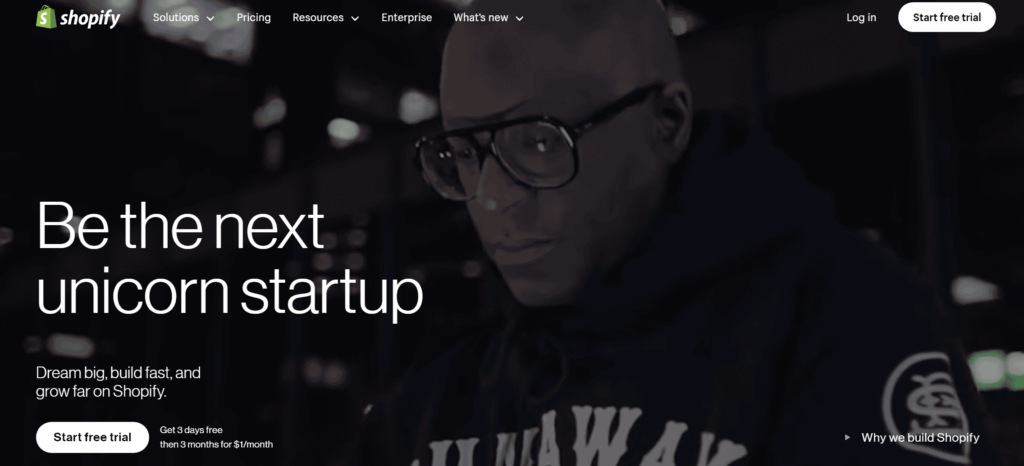
You have several ways to build an online store.
A hosted platform can make the technical side easier to manage, while a self-hosted setup may give you more control. There isn't one best platform for every beginner.
Start by comparing the total cost and the payment options you need, then look at supplier integrations and how much technical work you're comfortable handling yourself.
Our guide to the best ecommerce platforms for dropshipping compares the main options.
8. General, niche, and one-product stores all have tradeoffs

You don't have to choose a niche store just because somebody says that's the "right" way to dropship.
A general store gives you more room to test different categories, while a niche store can make the audience and messaging more focused. A one-product setup goes even narrower.
Choose the structure that fits the products you want to test and how you plan to reach customers.
Being interested in the niche can make research and content easier, but interest alone doesn't prove there is customer demand.
See our general vs. niche vs. one-product comparison for the tradeoffs.
9. Give customers a reason to choose your store
You don't need a product nobody else has ever seen. What matters is giving customers a reason to choose your store when other sellers can access similar products.
Better product information or your own photos can help. So can stronger branding, a clearer offer, and reliable shipping information.
Good customer service gives customers another reason to trust you.
Copying a supplier's images and text onto an otherwise generic store makes differentiation much harder.
If you want more ideas, read our guide to creating a more distinctive dropshipping store.
10. Product research doesn't have to start with a paid tool
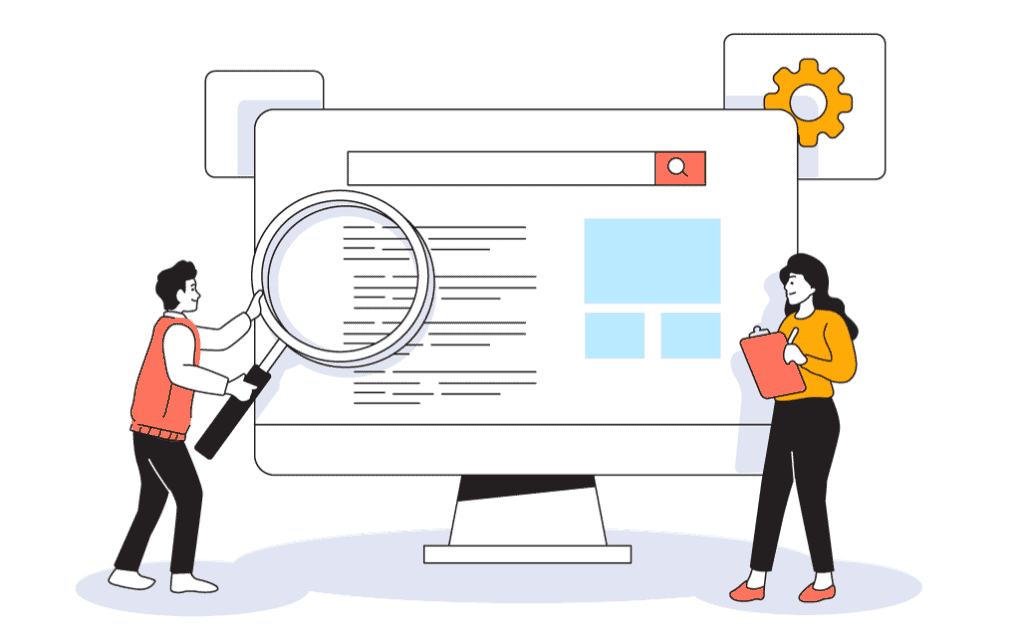
A product research tool can save time, but you don't need one just to begin learning how product research works.
Start with marketplace demand and competitor reviews, then look at search trends and recurring customer complaints for more context.
You'll often see people use the phrase "winning product." I prefer to think of it as a product with promising signals that's worth testing, because no research method can guarantee a winner.
Paid tools can still be useful when their workflow or data saves you enough time to justify the subscription.
If you want to compare them, see our guide to the best product research tools.
11. Some products are a poor fit for dropshipping

A product can look attractive on paper and still create problems once you start fulfilling orders.
Fragile or bulky products can be expensive to ship, while sizing-heavy products may create more returns. Some categories can also bring extra advertising or product-safety restrictions.
And if a product uses somebody else's brand or intellectual property, don't assume that being able to find it on a supplier marketplace means you have permission to sell it.
Our guide to products to avoid dropshipping gives you a useful starting checklist.
12. Start with a catalog you can actually manage

There's no magic number of products you need for your store to look "real."
A better starting point is a catalog small enough that you can properly research and price each item. You should also have time to write accurate product information and understand how each supplier fulfills it.
Don't import filler products just to make the store look busy.
If you want a broader catalog later, add products only when they make sense for the customer and the store, not just to hit a number.
Our guide on how many products to start with goes deeper into the decision.
13. Keep cash available to fulfill customer orders
One cash-flow detail catches some beginners by surprise: your supplier may need to be paid before the money from your customer's order is available in your bank account.
Payout timing depends on the payment provider and your account, and holds or reserves can sometimes delay access to funds.
That means you need enough cash available to keep fulfilling customer orders even when a payout hasn't arrived yet.
I wouldn't assume customer payouts will fund every supplier order in time. Know how your payment provider pays out, and keep a buffer that fits the order volume you're comfortable handling.
You can compare providers in our guide to the best payment gateways for dropshipping.
14. Facebook Ads are only one way to get customers

Meta ads can be useful, but don't choose a marketing channel just because other dropshippers use it.
Depending on your product and audience, you might test channels such as Google and TikTok, as well as Pinterest and creator partnerships.
Organic search, email, and content can also play a role.
What matters is whether the channel reaches the right people at a cost your store can support.
If you want ideas beyond Facebook, see our guide to ways to advertise a dropshipping store.
15. Plan a realistic budget before you start
You don't need a warehouse full of inventory to start dropshipping, but that doesn't mean the business costs nothing.
Typical expenses can include the store itself and a domain, plus product samples and any apps you decide you need.
Marketing may become another major cost, and your setup may also involve business registration or professional fees.
Set a testing budget you can afford to lose, then decide what would make you pause before it's gone.
For a more detailed breakdown, read about how much it costs to start dropshipping.
16. A paid theme isn't required

You can build a perfectly usable store with a good free theme.
A paid theme can still be worth considering if it offers a specific design feature or support option you actually need.
What I wouldn't do is buy one because you expect "paid" to automatically mean more sales.
Your offer and product pages matter, as do the customer experience and the quality of the traffic reaching the store.
If you're deciding between free and paid options, our guide on whether you need a paid dropshipping theme goes through the tradeoffs.
17. Know when to iterate, pause, or stop
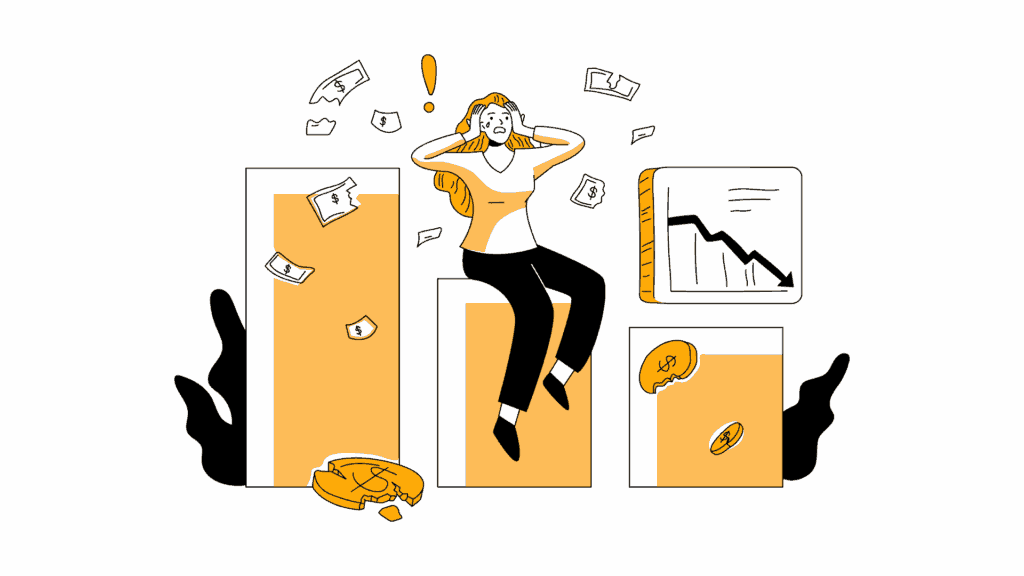
Slow sales don't automatically mean you should quit, but they don't automatically mean you should keep spending either.
Start by figuring out where the problem is:
- If people aren't visiting the store, look at how you're reaching them and whether you're attracting the right audience.
- If people visit but don't add to cart, start with the product and offer, then check the price and page experience.
- If sales come in but little money is left after costs, revisit the numbers behind each sale.
Before a test starts, decide how much you're willing to spend. Also decide what would make you change the product or supplier, pause, or stop using it.
Stopping a bad test isn't failure. It can be the decision that prevents a small experiment from turning into a much bigger loss.
And whatever you decide, the ecommerce skills you learned can still be useful elsewhere.
18. You don't need a paid dropshipping course
There's a lot you can learn about dropshipping for free, so a paid course isn't required to get started.
That doesn't mean every paid course is automatically bad.
If you're considering one, look at what the curriculum actually covers and who created it.
Check whether the material is up to date, then read the refund terms before you pay.
I'd be especially careful with guaranteed income claims or pressure to buy quickly.
Our guide on whether paid dropshipping courses are worth it gives you a checklist for evaluating them.
If you'd rather start with free resources, we also have a list of free dropshipping courses.
Conclusion
So, there you have it!
These 18 points aren't a checklist proving that you should start dropshipping.
They're the things I'd want you to understand before deciding how much time and money the idea deserves.
If dropshipping still fits what you want to build, move forward with a realistic budget and a supplier you've actually checked.
Before taking customer orders, make sure you understand the rules that apply to you too.
If any of these points lead you to decide against dropshipping, that's useful information as well.
For the practical setup, our 7-step guide to starting dropshipping walks through what comes next.
Or, if you want the whole process in one place first, use our dropshipping checklist.
Have another lesson you think beginners should know? Let me know in the comments below!
Want to learn more about dropshipping?
Here are a few guides we'd read next:







2 Comments
Fantastic blog. I would like to thank you for such great articles and guidelines. I have purchased a store from AliDropship but now I am 100% sure that I shouldn’t. It is never to late to start again. So I am reading your articles and parallelly starting to build my own store. Many Many thanks again.
Best personal regards
Samy
Hi Samy,
Thank you for your amazing comment! Great to hear that you decided to build your own store 😊
For those that are wondering what fits with you, check out this article here which will go over if a premade store fits with you or not.
Good luck with everything!
– Richard