Marketing for dropshipping is how you attract qualified visitors to your store, turn that attention into sales, and bring customers back after the first purchase.
The hard part is choosing a channel that fits how people discover your product, your margins, and how much time or money you can put into testing.
A product that people actively search for can be a strong fit for Google Ads or SEO.
But a product that needs to be seen in action may fit Meta Ads, TikTok, or influencer marketing much better.
This is important because a good channel can't fix a weak offer, and a good product can still struggle when you put it in front of the wrong audience.
Instead of trying all eight strategies below, we'll help you choose one primary way to acquire customers. We'll also show you where slower or retention-focused channels can fit around it.
Key takeaways
- Verdict: There's no universally best marketing channel for dropshipping. The right choice depends on how your customers discover products and how much time or money you can put into testing.
- Best approach: Choose one primary acquisition channel first, track what happens after the click, and add another channel only when you know why you need it.
- Use this when: You're deciding where to get your first qualified visitors or whether your current channel fits the product you sell.
- Watch out: Spreading a small budget across several channels can leave you with too little data to learn anything useful.
- Next step: Use the decision framework below to pick the channel that best matches your product and audience, then check whether the cost and timeline fit.
Let's go more in-depth now!

Start your store on Shopify
Free 3-day trial + $1/month for 3 months
- Grows with you from first test product to full brand
- Thousands of apps and hundreds of themes to customize your store
- Beginner-friendly editor with pro features when you're ready
No card to start. Cancel anytime.
What is marketing for dropshipping, and why does it matter?
Your supplier can handle fulfillment, but your dropshipping business still has to earn attention and trust. Publishing a store doesn't automatically put it in front of people who want what you sell.
Dropshipping marketing connects your offer with those people. You might pay for an ad or appear in a search result, while creators and email give you other ways to reach or bring back shoppers.

But traffic by itself isn't the goal.
You need qualified visitors who understand the offer and have a realistic reason to buy.
If the offer is weak or the store doesn't feel trustworthy, sending more traffic can simply make you lose money faster.
Slow shipping or poor product economics can cause the same problem.
Before you spend heavily on promotion, make sure the basic store experience is in place. Our guide to standard ecommerce store pages is a useful check if you're still building that foundation.
Once the basics are solid, your marketing channel becomes a way to test a much more useful question: can you reach the right people at a cost and effort level that makes sense for your margins?
How to choose a marketing channel for your dropshipping store
Start with the way someone is most likely to discover your product.
You don't need a perfect buyer persona or a 50-page marketing plan, but you do need a clear answer to a few practical questions before you pick a channel.
1. Is there already search demand?
If people are already searching for the product or the problem it solves, Google Ads and SEO can put you in front of people who are showing intent.
That makes search especially interesting for products people compare before buying. Replacement parts and specialized equipment are two obvious examples.
A completely unfamiliar product is different.
If nobody knows what to search for yet, you may need a discovery channel first.
Meta Ads, TikTok, and influencer marketing can all fill that role.
2. Does the product make sense visually?
Some products become much easier to understand when people see them used.
Think before-and-after demonstrations or unusual designs.
Hobby products and room decor can also benefit, especially when the result is easier to show than explain.
The same goes for many fashion and beauty products.
Those products give you more to work with on visual platforms such as Meta and TikTok. Pinterest or creator-led campaigns may fit too.
3. Do you need fast feedback or compounding traffic?
Paid ads can start producing clicks quickly, which can help you learn whether your offer gets attention.
SEO and organic Pinterest usually move more slowly. The upside is that useful pages and Pins can keep bringing visitors after the initial work.
Neither route is automatically better. Pick based on what you need to learn next and how long you can afford to wait for that answer.
4. Are you short on money or short on time?
Paid acquisition trades money for reach, but it still needs creative work and tracking. You also need time to manage the campaigns.
Organic channels can reduce media spend, but they aren't free in practice. You pay with content production and outreach, plus the time needed for research.
Be realistic about which resource you actually have.
5. Are you trying to acquire a customer or bring one back?
This distinction stops a lot of bad channel choices.
Meta Ads and Google Ads can help you reach new people, as can influencers and TikTok.
Pinterest and SEO can do the same over a longer window.
Email and direct mail become much more useful once you already have visitors, subscribers, or customers to contact.
That means email should usually support your acquisition strategy rather than replace it.
If you still need to define the basics, start with your niche and the type of product you want to sell, then define your target audience. Those decisions will quickly narrow your channel options.
6. Can your margins support the channel?
Before you pay for traffic, work out how much room you have for customer acquisition.
Start with the selling price and subtract the main variable costs. Count the product cost and shipping first, then add payment fees and other order-level costs.
What remains isn't automatically your ad budget because you still need room for overhead and profit, but it tells you whether a channel with a high acquisition cost is even realistic for that product.
If you're planning a paid test, our dropshipping test budget calculator can help you estimate the CPA and ROAS levels to watch before you spend.
Those numbers won't tell you whether Meta or Google will work, but they can stop you from choosing a channel your product economics can't support.
8 Marketing strategies for dropshipping
Now we can compare the channels without pretending each one works the same way.
For every method, pay attention to two things: why it can fit and where it gets difficult. The trade-off is often more useful than a long feature list.
1. Facebook Ads (Meta Ads)
Best for: Visual products that need discovery and stores that can produce several ad creatives.
Main trade-off: You can reach large audiences quickly, but weak creative or poor tracking can burn through a budget without teaching you much.
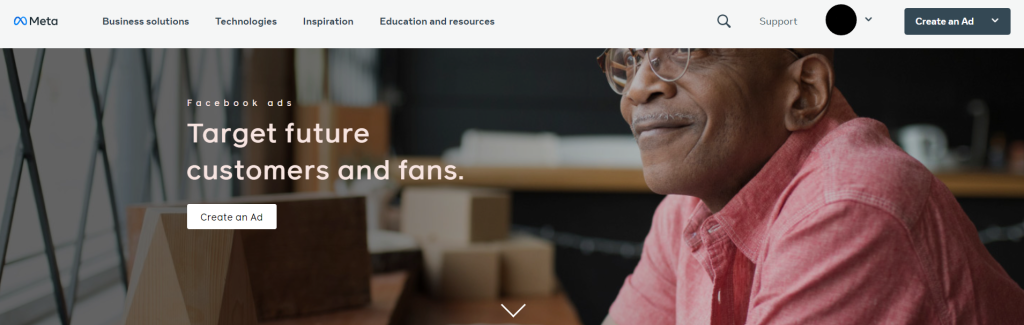
Facebook Ads are managed through Meta and can place ads across properties such as Facebook and Instagram.
If you're new to the platform, our Facebook Ads beginner guide covers the setup in more detail.
Why Facebook Ads can work
Meta is useful when someone doesn't need to search for your product first.
You can show the product in a feed or Reel and let the creative create the interest. Stories and other placements give you more room to test.

The platform also gives you several ways to build and expand an audience.
You can use your own customer or website data, create lookalike audiences, and let Meta's automated systems optimize delivery.

Retargeting is another useful part of the channel because you can build campaigns around people who already visited your store or took another tracked action.
That doesn't make the targeting automatic magic. Your offer and creative still have to give the system something people want to respond to.
Where Facebook Ads gets harder
The first challenge is usually how much testing you do.
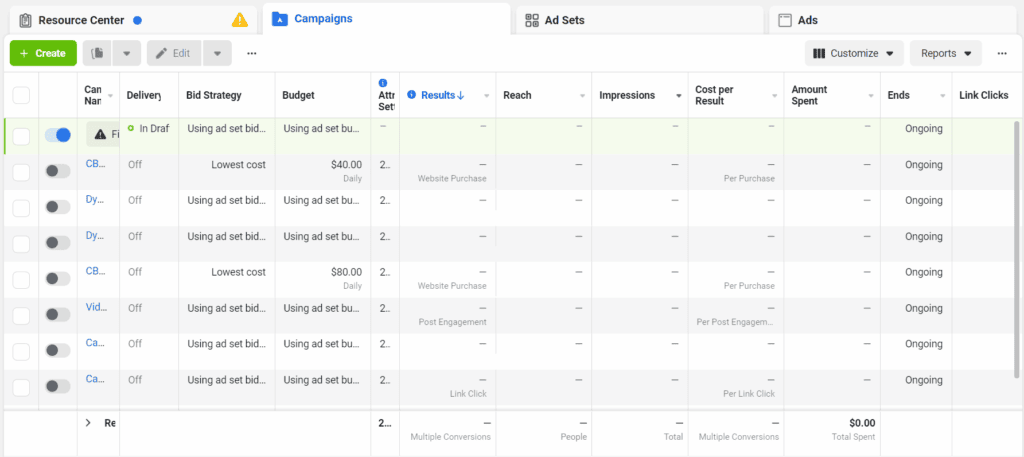
You're testing more than an audience. The hook and creative can affect results, as can the product angle, landing page, your offer, and campaign setup.
Ads Manager also has a learning curve when you're new to paid traffic.
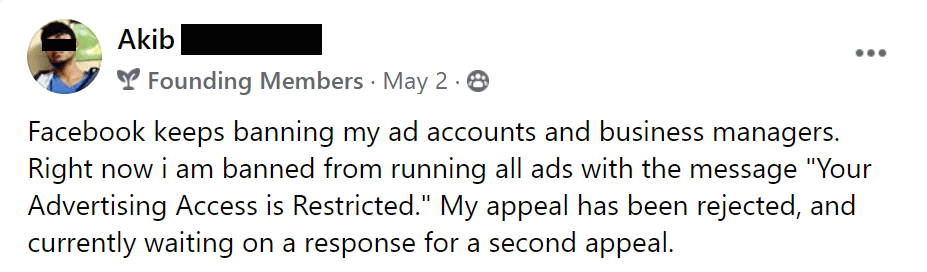
You also need to stay within Meta's advertising rules. Account restrictions can interrupt campaigns, so read the Meta Advertising Standards before you scale spend.
Should you use Facebook Ads?
Facebook Ads is worth testing when your product is easy to demonstrate, and you have enough margin to pay for customer acquisition.
We'd be more cautious if your budget is so small that one or two bad creatives would end the test.
In that case, organic content or a higher-intent search channel may be a better way to learn first.
If Meta looks like the right fit, learn the basics before spending more by using our Facebook Ads guide for ecommerce.
2. Google Ads
Best for: Products with existing search demand and shoppers who already know what they're looking for.
Main trade-off: The intent can be strong, but competitive keywords and poor targeting can make each useful visit expensive.

Google Ads includes several campaign types.
Search campaigns can show ads when someone actively searches for a product or service, which is exactly how Google describes Search campaigns.
For ecommerce stores, Google Shopping and Performance Max can also use a Merchant Center product feed.
Those campaigns can show product information such as an image, price, and store name. Google's Shopping ads documentation explains how those product-data campaigns work.
Why Google Ads can work
The biggest advantage is intent.
Someone searching for 'replacement espresso machine gasket' is giving you a much stronger buying signal than someone who happens to see the same product while scrolling a social feed.
You can also measure what happens after the click when your conversion tracking is set up correctly.

That's why we'd set up tracking before making decisions about ad spend. Our guide to Google Ads conversion tracking on Shopify covers that.

Where Google Ads gets harder
Search demand is also the limitation.
If your product is unfamiliar or hard to describe with a search query, there may not be enough existing demand to capture.
Keyword selection matters too. A broad term can bring people who are researching rather than buying, while a very narrow term may barely get searched:

Google also uses several bidding strategies, so don't assume every campaign charges a fixed amount per click.
Cost-per-click bidding exists, but the right bidding setup depends on the campaign and goal.
Should you use Google Ads?
Use Google Ads when people already search for what you sell, and your margins can support the likely acquisition cost.
We wouldn't force it for a product that needs a long visual explanation before someone even understands why they would want it.
If search intent looks strong, our Google Ads beginner guide is the next place to go.
3. Influencer marketing
Best for: Products where a creator can demonstrate the use case or transfer trust from a relevant audience.
Main trade-off: Creator quality varies a lot, and attribution can be messier than a normal ad click.

With influencer marketing, you pay or otherwise compensate a creator to feature your product to their audience.
Why influencer marketing can work
A good creator gives you something a standard ad doesn't: context.
They can show how the product looks, how it works, and why it fits the niche in a format their audience already expects.
You also don't have to start with celebrity accounts. Smaller creators can be useful when their audience closely matches the product and their content gets real engagement.


Creator content can also become useful advertising material if your agreement includes the rights to reuse it.
Put those rights in writing instead of assuming a paid post gives you unlimited usage.
Where influencer marketing gets harder
Follower count is a weak filter on its own.
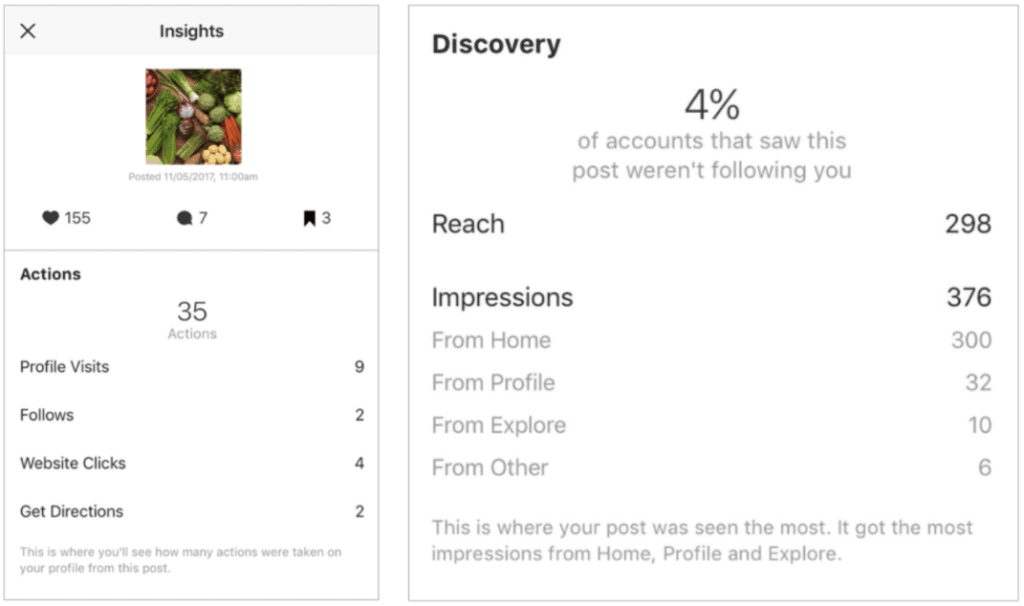
Before you pay anyone, check whether the audience looks real and relevant. Look at comments and posting consistency, then check audience geography.
Also look for signs of fake followers or engagement.

Tools such as Heepsy can help with creator discovery and audience checks, but you should still review the account yourself.
Measurement can be difficult too, especially when people see a creator post and buy later through another route.
If you operate in the US, paid posts or free products can create a material connection that needs clear disclosure under the FTC endorsement guidance. Other countries can have their own advertising rules.
Should you use influencer marketing?
Influencer marketing makes the most sense when the creator's audience is the reason you want the placement, not because the account has a large follower number.
Keep the first test small enough that one weak collaboration won't hurt the budget, and decide in advance how you'll judge the result.
For a deeper look at the trade-offs, see our guide to the pros and cons of Instagram influencers for ecommerce.
4. TikTok
Best for: Products that are easy to demonstrate in short-form video and stores that can keep producing new creative.
Main trade-off: TikTok can reward strong creative, but it's a poor fit if you rely on one video or expect cheap traffic by default.

There are three broad ways to use TikTok for a store: publish your own content, work with creators, or run paid ads.
Why TikTok can work
TikTok is built around content discovery, giving product demonstrations a chance to reach people before they're actively shopping.
An organic account can be useful if you can consistently create videos around a niche.
A theme-page approach is another route when the brand can create useful or entertaining niche content without making every post an ad.
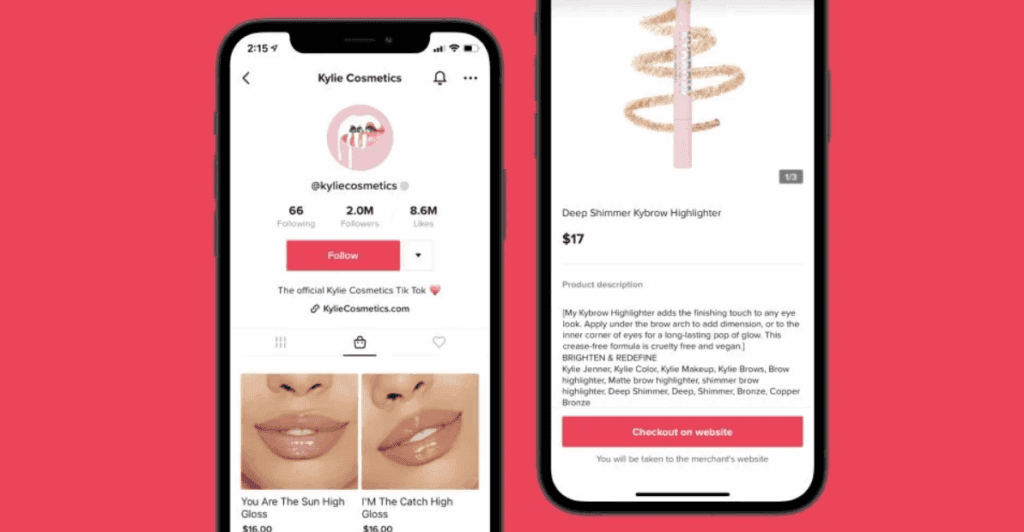
Paid campaigns now go well beyond one simple in-feed format. TikTok Ads Manager supports different objectives, targeting options, and placements based on the campaign setup.

TikTok also offers search advertising for eligible setups, so the platform isn't purely a passive discovery channel anymore. Its current placement documentation includes feed and search surfaces.
Creators give you a third route when you want content that already feels native to the platform.

Where TikTok gets harder
Beginners often underestimate the creative workload.
You need enough ideas to test different hooks and formats, then enough discipline to stop pushing the ones that don't work.
Don't choose TikTok because someone told you its ads are cheaper than Meta.
Cost depends on your market, objective, and the auction you enter.
Your creative and conversion rate matter too.
Also check whether TikTok's commerce and advertising features are available in the country you want to target, because availability can differ by market.
Should you use TikTok?
TikTok is a strong test when the product is visually clear within a few seconds, and you can keep feeding the channel new creative.
Skip it as a primary channel if creating short-form video is already the bottleneck. A channel that needs constant creative output isn't a shortcut when you can't produce the creative.
Our TikTok dropshipping guide covers the platform in more detail.
5. Pinterest
Best for: Visual products people save or plan around before buying.
Main trade-off: Organic reach can compound over time, but it usually doesn't give you the fast feedback of a paid traffic test.

Pinterest sits somewhere between a social platform and a visual discovery engine, which makes it interesting for niches where people actively collect ideas.
Our guide to Pinterest marketing for dropshipping covers both paid and organic routes.
Why Pinterest can work
A Pin can keep being discovered through searches and recommendations after the day you publish it.
That makes Pinterest different from a feed where a post often gets most of its attention shortly after publishing.
Pinterest also supports product catalogs and shopping campaigns. Its current business guidance recommends syncing your catalog and setting up conversion tracking before you scale shopping ads.
You can read those steps in Pinterest's shopping ads guide.
I have also seen the organic side work on one of my own brand accounts, which reached roughly 750,000 monthly impressions at its peak:

Where Pinterest gets harder
Pinterest isn't equally useful for every product.
It tends to make more sense when the product fits a planning or inspiration behavior.
Home decor, fashion, beauty, crafts, and hobby products are common examples.
Organic growth also takes patience. If your immediate goal is to validate an offer this week, a paid channel can give you faster feedback.
Should you use Pinterest?
Use Pinterest when your product fits visual search, and you can create content that's useful even before someone is ready to buy.
We'd treat it as a weaker first choice when your product has little visual appeal or when you need an immediate answer about demand.
If Pinterest fits, start with our guide to advertising and growing organically on Pinterest.
6. Search engine optimization (SEO)
Best for: Products or niches with recurring search demand and stores that can invest in useful pages over time.
Main trade-off: You don't pay Google for an organic click, but rankings take time and are never guaranteed.
Search engine optimization means helping search engines understand your site while making it easier for people to find useful pages through organic search.
That matches Google's own definition in the SEO Starter Guide.
Why SEO can work
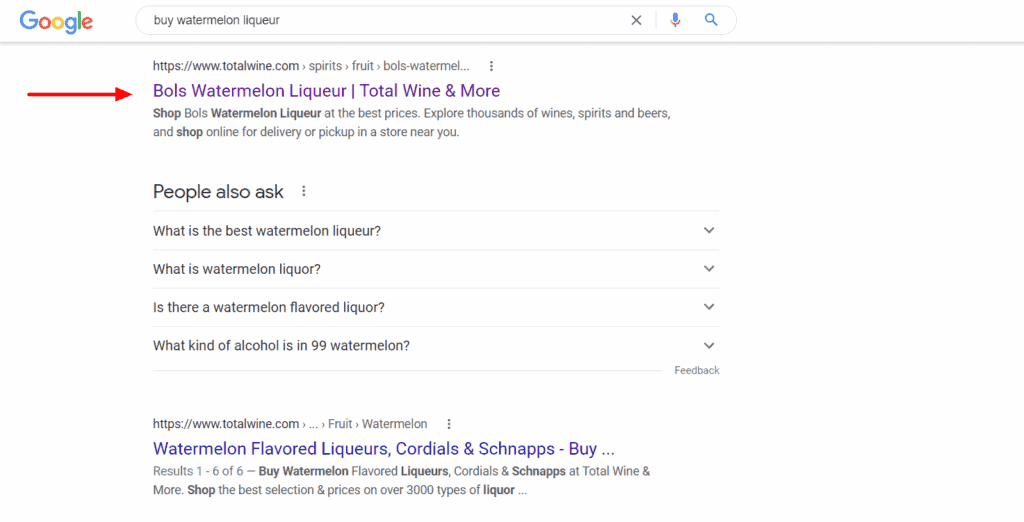
SEO can put you in front of people who are already searching for a product or question related to your store. Comparison and problem-solving searches can matter too.
The compounding part is what makes it attractive.
A useful category page or product page can keep attracting search visitors without you paying for each individual click. Guides and comparisons can do the same.
But that doesn't make the traffic free, because you still spend time or money on content and technical work.
Site improvements and outreach can add more cost.
Where SEO gets harder
The biggest drawback is the feedback loop.
Google says some SEO changes can take hours to appear while others can take several months, so this is a poor channel to rely on when you need immediate product validation.
Competition matters too. If large retailers and specialist sites dominate the searches you need, ranking can require more work than the product economics justify.
Tools can help with the research, but they don't replace the strategy.
For example, ConvertMate can help Shopify stores work on product-page SEO. Tools such as Ahrefs can support keyword research, while Majestic and Moz offer other SEO research tools.

Should you use SEO?
SEO is a good fit when useful search demand exists, and you're willing to build for months rather than judge the channel after a few days.
We wouldn't make it your only validation method for a brand-new product. You can spend a long time ranking pages before learning whether the offer converts.
If budget is tight, SEO can still be part of a broader free-traffic strategy, as long as you count the time and work involved.
7. Email marketing
Best for: Turning existing visitors, subscribers, and customers into repeat visits or purchases.
Main trade-off: Email is powerful once you have an audience, but it can't acquire people who have never found your store.

That's why we treat email marketing as an owned channel that supports acquisition, not a replacement for it.
Why email marketing can work
You control the relationship more directly than you do with a social follower or ad audience.
A simple welcome flow can explain the brand to a new subscriber, while an abandoned-cart flow can bring back someone who left before buying.

You can also use post-purchase emails and product education to support repeat purchases.
Replenishment reminders or relevant offers may fit your product too. Our abandoned-cart email guide is a good place to start with one of those flows.
In Litmus' 2025 survey, 35% of companies reported getting $10 to $36 back for every $1 spent on email.
Where email marketing gets harder
You need permission-based contacts and a reason for people to stay subscribed.
Deliverability matters too. Sending more email isn't useful if your messages land in spam or your list stops engaging.
You don't need to wait until the store is 'mature' before setting up the basics.
If you're already paying to get visitors, capturing permission to follow up can make that acquisition traffic more useful from the start.
Should you use email marketing?
Yes, once you have traffic worth capturing.
Set up the basic lifecycle flows early, then grow the program as your list and order volume grow.
If you need a platform, compare the options in our guide to the best email marketing services for ecommerce.

8. Direct mail
Best for: Established stores with customer data, enough order volume to segment buyers, and margins that can absorb a physical mail piece.
Main trade-off: Direct mail can reach customers away from their inbox, but every send has printing and postage costs.

Direct mail means sending a physical postcard, letter, or a catalog to a customer or prospect.
Why direct mail can work
A physical piece can stand out because it arrives in a different place from the ads and emails people see all day.
It can be especially useful for reactivation or win-back campaigns. Loyalty offers can also fit categories with strong repeat-purchase economics.
Tools such as PostPilot connect direct-mail campaigns with ecommerce customer data, which makes the channel easier to segment than traditional mass mailing.

Where direct mail gets harder
The economics are less forgiving than sending one more email.
You need enough customer value to justify printing and postage, plus enough data to know who should receive the campaign.
That's why we'd treat direct mail as a later-stage channel for most dropshipping stores.
For example, PostPilot's own FAQ currently recommends at least $3 million in annual store revenue so its customers have segment sizes large enough for statistically relevant data.

Should you use direct mail?
Probably not as your first marketing method.
It becomes much more interesting once you have repeat customers, reliable customer data, and a clear reason to spend more to reactivate or retain them.
If you're still trying to build a consistent stream of qualified visitors, focus on acquisition and email capture first.
Which dropshipping marketing strategy should you start with?
If you're still stuck, use this table as a first filter:
| Method | Start here when | Be cautious when |
| Facebook Ads (Meta Ads) | Your product needs discovery and works well in visual creative | You can't afford ongoing creative testing |
| Google Ads | People already search for the product or problem | Search demand is weak or clicks destroy your margin |
| Influencer marketing | A relevant creator can demonstrate the product and add trust | You can't vet creators or measure the partnership |
| TikTok | The product is easy to show in short-form video | You can't produce fresh creative consistently |
| The niche is visual and people plan or save ideas before buying | You need very fast validation | |
| SEO | Search demand is durable and you can invest for the long term | You need immediate feedback on a new offer |
| Email marketing | You already have visitors, subscribers, or customers to follow up with | You expect email to create demand from people who have never found you |
| Direct mail | You have meaningful customer data and strong repeat-purchase economics | You're still at the early traffic-validation stage |
But don't read the table as a ranking; a strong channel for one store can be a bad channel for another.
Our preferred beginner approach is simpler: choose one primary acquisition channel and decide what you need to learn from it before you spend.
For a paid channel, that might mean setting a fixed test budget and tracking purchases. Contribution margin can be a better decision metric when your costs vary.
For an organic channel, set a realistic time window and watch whether qualified impressions turn into clicks, then track whether those clicks become subscribers or sales.
Once you have that evidence, decide what it actually points to.
If the channel is getting the right people to your store but they don't buy, the problem may be the offer or store experience.
If the channel can't reach the right people at all, changing the landing page won't fix the acquisition problem.
And if the test doesn't justify continuing, stopping or changing direction is a valid result.
You're trying to learn what fits the business, not prove that a favorite channel has to work.
FAQs about marketing for dropshipping
What is marketing for dropshipping?
Marketing for dropshipping is the work of attracting qualified visitors to your store, turning that attention into purchases, and bringing customers back.
It can include paid ads and SEO. Organic social, influencer marketing, and Pinterest can fit too. Email can support retention once you have traffic.
What is the best marketing strategy for dropshipping?
No single strategy works best for every dropshipping store. Products with clear search demand may fit Google Ads or SEO. Visual products may fit Meta Ads, TikTok, or creator marketing.
Your margins and budget matter. So do your audience and how quickly you need feedback.
How can I market a dropshipping store without paid ads?
Start with one organic channel that matches the product. SEO fits products with recurring search demand, short-form video fits products that are easy to demonstrate, and Pinterest fits visual products people save or plan around.
Once you have traffic, capture email subscribers so you can bring interested visitors back.
How much should I spend on marketing for dropshipping?
There's no safe fixed percentage that works for every store. Work backward from your product economics. First, count product cost, shipping, and payment fees, then allow for refunds or replacements and the profit you want to keep.
For paid traffic, set a test budget you can afford to lose, and know the CPA or ROAS level that makes the test worth continuing.
Conclusion
A strong dropshipping marketing strategy doesn't need every channel above.
Your job is to find the channel that matches how your customers discover the product, then test it with enough focus to learn something useful.
Search-led products may point you toward Google Ads or SEO, while visually demonstrable products may fit Meta or TikTok better.
Pinterest can fit products people plan around, while creators can help when trust or demonstration matters.
Email should help you keep the people you already attracted, while direct mail usually makes more sense after the store has meaningful customer data.
Start with one primary acquisition channel, get the tracking right, and add complexity only when the next channel solves a specific problem.
That gives you a much better marketing plan than trying to be everywhere at once.
Want to learn more?
Once you've chosen a channel, our dropshipping marketing strategy tips cover ways to improve the execution.
For deeper paid-traffic guides, these are good next reads:
- 14 Great Facebook Ad Examples for Ecommerce
- Google Ads vs. Facebook Ads: Which Is Better for Dropshipping?
- Google Ads Keyword Research for Dropshipping Stores (Learn How)
And if you're deciding between channels for a specific product, compare where demand already exists before you spend. That one check will rule out a surprising number of bad fits.