

Does your dropshipping store feel a little too similar to every other store in the niche?
That can happen quickly when the product photos, descriptions, and store setup all come from the same places your competitors use.
The good news is that you don't need to invent a completely different kind of ecommerce store to stand out.
Quick Answer: How to create a unique dropshipping storeStart by replacing supplier-default copy and images with content that reflects your own store.Then carry that same identity through the design and product selection, as well as the way you advertise and support customers.You don't need every detail to be different, but customers should have a clear reason to remember and choose you.
Let's look at where that difference can come from and what is worth prioritizing first.

Start your store on Shopify
Free 3-day trial + $1/month for 3 months
- Grows with you from first test product to full brand
- Thousands of apps and hundreds of themes to customize your store
- Beginner-friendly editor with pro features when you're ready
No card to start. Cancel anytime.
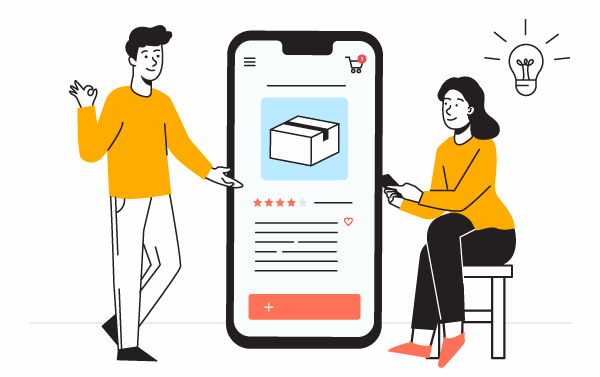
What makes a dropshipping store feel unique?
A unique store doesn't need an unusual checkout or a completely custom theme.
In fact, familiar navigation can make the store easier to use. The difference should come from the choices customers actually notice and remember:
| Area | Generic version | More distinctive version |
| Product copy | Supplier text pasted as-is | Original copy written for your customer |
| Product images | Same supplier photos used elsewhere | Edited or original visuals that fit the store |
| Catalog | Products added without a clear connection | Products chosen around a customer or use case |
| Design | Default settings with little consistency | Consistent typography, imagery, and layout choices |
| Customer experience | Unclear policies and generic support | Clear expectations and helpful communication |
| Marketing | Supplier or tool-provided creatives reused unchanged | Ads and content made for your own audience |
You can still study other ecommerce stores for ideas. The useful part is asking what the idea helps the customer do and whether it fits your own store.
Our collection of dropshipping store examples can help with that kind of research.
11 ways to make your dropshipping store stand out
So you don't need to apply all 11 ideas at once. Start with the parts customers see before buying, then improve the rest as you learn what the store needs.
1. Use other stores for inspiration, not as templates
When you study competitors, look for patterns you can learn from.
You might see a product-page structure you like, or you might notice a clearer way to explain shipping. You may also spot common choices that make several stores blend together.
But copying another store's wording and creative gives customers very little reason to remember yours.

A simple way to research competitors is to write down what you would keep, what you would change, and what you would add to serve the customer you want to serve.
That turns competitor research into input for your own decisions instead of a shortcut to copying the finished result.
2. Rewrite the product descriptions customers actually read
Supplier descriptions are a starting point for product information, but they're rarely written in your store's voice.
They may also focus heavily on specifications without answering the questions a customer has before making a purchase.

So write the description around the product's real use case. Explain what it does and who it may suit, then include the specifications people need to make a decision.
And keep the structure consistent across the catalog.
If one page is detailed and another looks like raw supplier text, the store can feel unfinished.

For more examples, see our guide to ecommerce product descriptions or our guide to writing product descriptions for dropshipping.
3. Make the product images fit your store
When the same supplier image appears across marketplaces and competing stores, it becomes harder for the visual to feel associated with your brand.

But you don't need a full photography studio on day one.
Start by choosing the strongest supplier images you have permission to use and presenting them consistently.
Once you've identified the products worth investing in, you can order samples and create your own photos or videos for them.

Original product media can also help you show details that supplier photos miss, such as scale or a specific use case.
Our dropshipping product image guide covers more ways to improve your visuals.
4. Build a consistent visual system before chasing a custom design
A store can use a common ecommerce theme and still feel recognizable.
But consistency matters more than adding design elements everywhere.
Choose a small color palette and a consistent typography style, then keep the image style consistent throughout the main customer journey.

Pay particular attention to the homepage and product pages, as well as your navigation and policy pages.
And you don't need to buy a premium theme simply to make the store feel more polished. Our guide on free vs paid dropshipping themes explains when paying may actually be useful.
If you want design inspiration, browse our Shopify homepage examples and adapt the ideas that fit your own store.
5. Prioritize feedback from your own customers
When customer feedback describes an experience somebody actually had with your store and product, it becomes much more useful.
That gives future shoppers context that generic social-proof widgets can't create on their own.

Ask customers for honest feedback after they've had enough time to use the product. Photos or videos can add useful context when customers choose to provide them.
Never invent customer feedback or present marketing copy as if it came from a buyer.
If reviews are part of your setup, our product review guide covers the practical options.
6. Give the product selection a point of view
You don't need products that nobody else sells.
What matters is whether the catalog makes sense for the customer you're trying to serve.
A pet store aimed at apartment cat owners can make different choices from a broad pet store, even when both have access to some of the same suppliers.
So instead of adding a product because a research tool labels it as promising, ask why it belongs in your store and what role it plays in the offer.
That's also a healthier way to use product research tools.
Use them to find ideas and signals worth investigating rather than as a list of products to copy.
7. Create ads for your own audience
When supplier videos or research-tool creatives show how a product is being marketed, use them as reference material rather than a finished ad.
Start with the customer you want to reach. What problem or use case matters to them, and what part of the product is worth showing first?
Then build the creative around that angle and the way your store presents the product.
But this doesn't require an expensive production. A simple demonstration or short video still lets you show the product in your own way.
For more ideas, see our dropshipping advertising guide and our collection of Facebook ad examples.
8. Make the customer experience part of the brand
The store experience continues after a customer places an order.
Set clear expectations around shipping and returns before the purchase, then make it easy for customers to contact you when something goes wrong.
When a supplier causes a fulfillment problem, the customer still comes back to your store for help.
That means the way you respond becomes part of what differentiates the business.
Our guides to dropshipping customer service and returns and refunds go deeper into this part of the store.
9. Build recognizable brand signals
Branding is what makes the store feel like the same business from one touchpoint to the next.
Your name and visual style are part of that, but so are the voice and product selection. The way you explain products and support customers also contributes.
But you don't need custom packaging to work on the brand.
Start with what you can control now, such as consistent copy and imagery.
A branded email address and a clear About page can also help the store feel more intentional.
Our branded dropshipping guide covers more ways to build those signals over time.
10. Give shoppers a reason to choose your store
That's where your unique selling proposition, or USP, comes in handy.
A USP is a clear reason the right customer may choose your store instead of a similar alternative.
It might come from the audience you specialize in or the way you curate the catalog.
It can also come from the service experience or another benefit you can genuinely deliver.
A vague claim such as "best quality" doesn't tell the shopper much. A more useful proposition is specific enough to influence the products and messages you choose.
If you can't explain why a particular customer would choose the store, that's a useful question to answer before adding more design features.
11. Publish useful content around the niche
A store can also become more recognizable by being useful before somebody is ready to buy.
If you know the niche well, you'll have a better idea of which customer questions are worth answering. That could mean buying guides or product comparisons, along with tutorials that genuinely help them make a decision.
For example, a store serving parrot owners could publish practical care or product-selection content instead of filling the blog with generic product announcements.
It's a longer-term strategy, but it can give the business a point of view that's difficult to create with a theme alone.
Do you need to make everything unique before you launch?
No. You can start with a simple, consistent store as long as the key customer-facing parts are clear.
Trying to customize every possible detail before you know what customers need can turn into another form of procrastination.
So focus first on the parts that help somebody understand the product, know what to expect, and complete the purchase confidently.
Before sending traffic, prioritize:
- Accurate product information for the products you plan to promote.
- Clear product images that match what the customer should expect.
- Navigation that makes the important pages easy to find.
- Clear shipping and return information, plus an easy way to contact you.
- A consistent basic visual identity across the main store pages.
You can improve later:
- Original photography for more of the catalog.
- A larger library of niche content.
- More advanced creative testing.
- Custom theme work or other design upgrades that solve a clear need.
If your catalog is large, start with the products you expect to promote first rather than trying to perfect every page at once.
Our guide on how many products to start with can help you think through that tradeoff.
A quick test: does your store have its own point of view?
Before changing another font or adding another app, look at the store as a customer and ask a few simple questions:
- Can I tell who this store is for?
- Do the products feel like they belong together?
- Does the copy sound like one store wrote it?
- Do the images and design feel consistent?
- Can I understand shipping, returns, and how to get help?
- Is there a reason I would remember this store after comparing alternatives?
If several answers are unclear, that gives you a better list of improvements than simply trying to make the store look more "unique."
Conclusion
So, there you have it!
A distinctive dropshipping store comes from the choices you make across the customer experience.
For example, start with the product pages customers are most likely to see first, then give the catalog and marketing a clearer point of view.
You can improve the branding and creative work as you learn what the store actually needs.
If a familiar theme already gives customers a clear experience, you don't need to replace it simply for the sake of being different.
Good luck with your store, and have a great rest of your day!
Want more store-building ideas?
These guides are a good next step:








10 Comments
Thank You for putting in all this work on writing! A very useful read!
Hi,
Thank you so much for your comment! That’s awesome to hear 😊
Let us know if you ever have any questions!
– Richard
I just starting looking into starting one and this is a great place to start.
A couple things real quick, so do I have to set up a business to do this? Like a DBA?
Secondly, I basically have zero personal internet footprint. Will that make it more difficult to get things going to generate traffic and sales?
Hi Bill,
Thank you for your comment! Great questions; I will go over them below:
– If you’re interested in learning more about taxes and if you should set up your business, then you can check out this article here.
Short version: It depends where you’re located and where you want to set up your business. For some countries, you don’t need to set up a business directly, while you will have to set it up directly for others.
– Just to be sure, do you mean that you don’t have any experience with getting traffic from online sources or that you don’t have anything right now that can generate you traffic?
If so, you can check out this article here that will guide you further.
Let me know if you got any more questions, and I wish you the best with everything!
– Richard
Thank you for your invaluable expertise and knowledge in dropshipping. The linked articles gonna be of great help. I am an absolute beginner working on my website for 1 year. Launched my ecom store just before BFCM last year. Had no sales yet. Basically have no traffic. Most of my time spent on building the website. I would very much appreciate it if you commented on my site and gave some marketing advice.
If you liked my blog post could you use it for promoting my business, please.
Wish you all success and best regards
Hi Tom,
Thank you for your great comment! Just that you know, I removed the store’s URL from your comment. I wasn’t sure if you knew that it would be public for everyone.
I will send you an email with a few tips soon, and I wish you the best with everything 😊
– Richard
Thank you so much for this valuable information. I do see now that having a Dropshipping business will require hard work if it’s going to be successful. I really needed the steps broken down for me!
Hi Karen,
Thank you for your amazing comment! It’s great to hear that you understand the mindset behind dropshipping 😊
Good luck with your dropshipping store, and don’t forget to let us know if you ever have any questions!
– Richard
Seriously, I feel that I have not seen this type of content anywhere for dropshipping. Although its free, I am ok to pay for this. Absolutely brilliant content with in-depth nuances even shared.
Hi Jaffer,
Thank you for your amazing comment! That is so great to hear that you think our content is brilliant 😊
Good luck with everything!
– Richard