Thinking about dropshipping but worried you might spend months on something that isn't right for you?
You're not alone!
Dropshipping can make sense for some people and not feel right for others, so let's look at what you'd actually be signing up for.
Key takeaways
- There isn't one answer for everyone: Dropshipping can help you test ecommerce, but whether it's worth your time depends on what you want from the business.
- Inventory is only one part of the workload: You still need to research products and suppliers. The offer and marketing need work, and so does customer support.
- You give up some fulfillment control: The supplier handles the physical order, but your customer still comes to you when shipping or product problems happen.
- Give the test a purpose: Decide what you want to learn and how much time or money you're comfortable using before you review the result.
- The skills can carry over: You may build experience with marketing and copywriting. Customer service and ecommerce analysis can carry over as well. Whether the time was worth it still depends on what you learned and what it cost you.
- Compare the part you're unsure about: Holding inventory gives you more control, while affiliate marketing removes checkout and fulfillment from your side.
Let's break it down!

Start your store on Shopify
Free 3-day trial + $1/month for 3 months
- Grows with you from first test product to full brand
- Thousands of apps and hundreds of themes to customize your store
- Beginner-friendly editor with pro features when you're ready
No card to start. Cancel anytime.
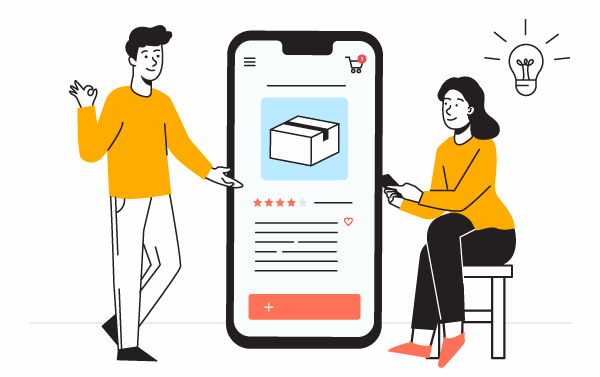
What is dropshipping?
Dropshipping is an ecommerce fulfillment method where you sell products without keeping that inventory yourself:
- A customer orders from your store.
- You send the order to your supplier.
- The supplier prepares and ships the product to the customer.
- You still run the customer-facing side of the business, including the offer, pricing, marketing, and support.

The supplier may handle the package, but the customer bought from your store. If the order is late or the product is poor, you're still the business they expect to help.
Our dropshipping beginner guide explains the full model if you want a deeper introduction first.
When can dropshipping be worth your time?
There are a few reasons dropshipping can be worth exploring.
1. You want to test ecommerce without buying inventory in bulk
One of the main advantages is that you don't need to buy a large batch of products before you know whether customers want them.
That makes it easier to drop a product that isn't getting much interest without being left with boxes of unsold stock.
You still have costs to run and test the store, even when you aren't buying inventory in bulk.
Our guide on starting dropshipping with little or no money explains where costs can show up.
2. You want to learn how ecommerce actually works
Your supplier handles fulfillment, but the rest of the ecommerce work remains.
You'll still spend time researching products, talking to suppliers, offering and marketing too, then dealing with customer questions and improving the store as you learn.
If that sounds like useful experience, dropshipping gives you a hands-on way to practice it.
3. You're okay letting a supplier handle the physical order
You don't have to pack every order yourself, which can be a real advantage.
The catch? You have less direct control over stock and packaging.
Product handling and shipping sit with the supplier as well.
That setup can work well when you trust the supplier and know what customers can expect from delivery.
If you'd rather inspect and pack every order yourself, holding your own stock may feel more comfortable.
4. You can start with a test you can afford
You don't need to make an open-ended commitment on day one.
Decide what you want to test, then choose how much time and money you're comfortable using before you review what happened.
You still won't know the result in advance, but you'll know when it's time to stop and look at what the test actually taught you.
When might dropshipping not be worth your time?
It's also worth looking at the parts of dropshipping that may not suit what you want from an online business.
1. You expect the supplier to handle most of the business
A supplier can take packing and shipping off your plate, but they don't run the business for you.
You still need to bring in customers and answer their questions. When an order goes wrong, you may also spend time working with the supplier to sort it out.
If that's more day-to-day involvement than you want, compare other options before you put much time or money into a store.
2. You want more control over the product and delivery
With dropshipping, another business handles the physical order for you.
You can reduce the risk by ordering samples and vetting suppliers, but you still won't have the same control as a business holding and shipping its own stock.
If that part already makes you uncomfortable, that's worth paying attention to. You may simply prefer a model where you hold the stock yourself.
3. The numbers are too tight
Buying one product at a time can cost more per item than placing a larger inventory order.
Then you still have shipping and payment costs. Marketing can take another bite, and refunds can change the numbers again.
Use our profit margin calculator and dropshipping profit-margin guide before assuming a product works just because there is a gap between the supplier price and selling price.
4. You'd rather not do the marketing or customer service
A dropshipping store still needs people to discover it.
And when an order is late, or the product isn't what someone expected, the customer needs somebody to help.
If neither part sounds like work you want to learn, you should know that before you commit to the model.
What will you actually spend your time on?
It's easy to picture dropshipping as "build a store, run an ad, and let the supplier do the rest."
In practice, your time is more likely to be split across several parts of the business:
| Area | What the work can include |
| Product and supplier research | - Comparing products - Checking costs and shipping - Ordering samples - Reviewing supplier policies |
| Store and offer | - Product pages - Pricing - Shipping information - Checkout and trust |
| Marketing | - Choosing traffic channels - Creating content or ads - Testing audiences and messages - Reviewing results |
| Customer service | - Order questions - Delivery problems - Refunds and returns - Supplier follow-up |
| Improvement | - Finding funnel problems - Testing changes - Reviewing costs - Deciding what to keep or stop |
If that list sounds interesting, dropshipping gives you plenty of real ecommerce work to learn from.
If most of it sounds like work you'd rather avoid, that tells you something useful before you commit more time.
How long should you give dropshipping before deciding?
There isn't a reliable number of weeks or months that tells you when a store should "work."
The answer depends on what you're testing and how much relevant traffic you've generated. The product and supplier can change the result, and so can the offer and budget.
Instead of picking a random deadline such as "I must be profitable in three months," decide what you're actually testing:
- What product or offer are you testing?
- What supplier and shipping setup are you relying on?
- How will relevant visitors reach the store?
- How much time and money are you willing to use for the test?
- What signs would make you continue, change something, or stop?
Our guide on how fast you can make money with dropshipping goes deeper into why a first sale and a profitable business are very different milestones.
Are the skills useful if the store doesn't work out?
Yes, some of them can be useful elsewhere. That doesn't mean every hour or dollar spent on an unsuccessful store was automatically worth it.
If you actually practice the work, you may build experience with:
- Product and market research
- Copywriting and product-page communication
- Digital marketing
- Customer service
- Pricing and basic ecommerce numbers
- Testing and reviewing results
Those skills can carry into another store or a different ecommerce role.
Those skills are a bonus. Once the test stops teaching you anything, the skills alone aren't a good reason to keep funding it.
What could you compare before deciding?
If one part of dropshipping doesn't sit right with you, compare another option that changes that part.
Holding your own inventory
Buying and storing stock ties up more money upfront, but it can give you more control over product handling and fulfillment.
This is worth comparing if you'd rather put more money into stock in exchange for more control over the order.
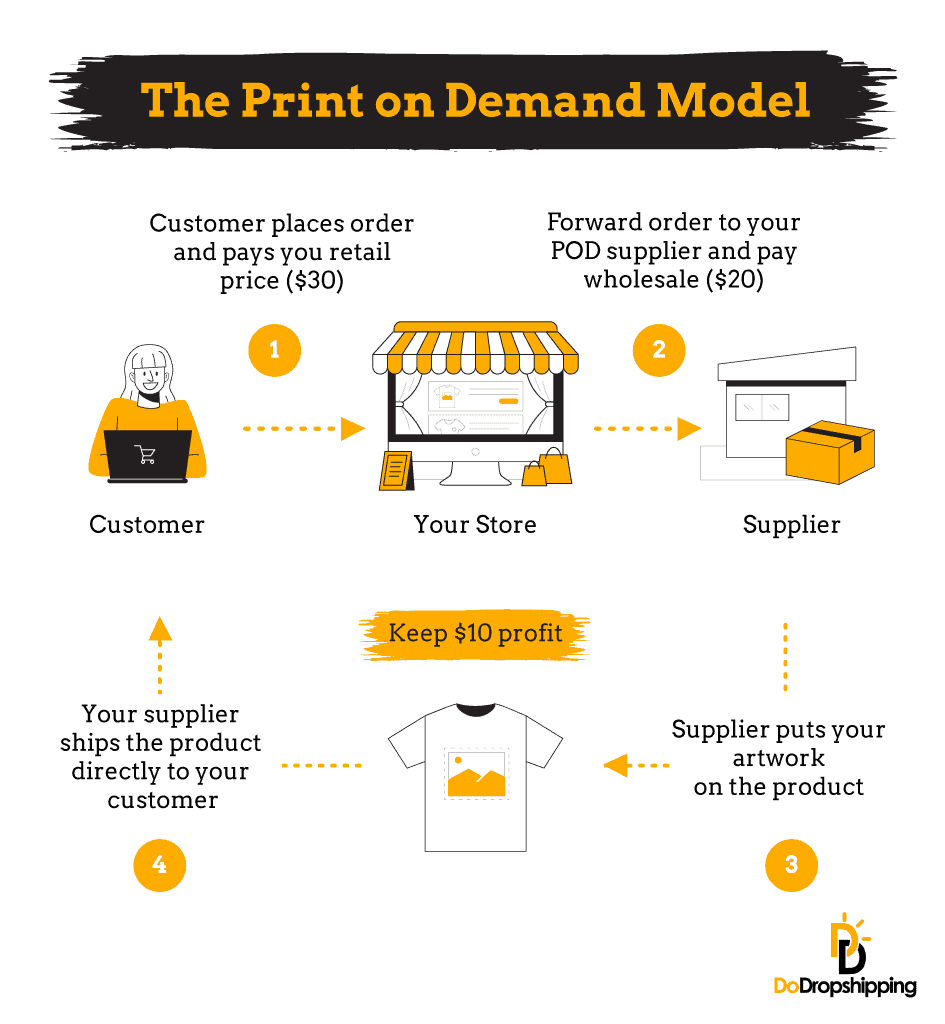
Print on demand
Print on demand still uses supplier fulfillment, so it shares some of the same tradeoffs as dropshipping.
The difference is that you usually create the design printed on the product, which gives you more creative control over what you're selling.
Affiliate marketing
With affiliate marketing, you send visitors to another store and may earn a commission when they make a qualifying purchase.
You don't run the product checkout or fulfill the order yourself, but you also have less control over the offer and customer relationship.

If you want to change the branding, private labeling is worth comparing as well.
Just remember that private-label products can still use dropshipping fulfillment, so private labeling isn't the opposite of dropshipping.
A quick decision checklist
Still not sure whether dropshipping deserves your time? Ask yourself:
- Do I want to learn ecommerce beyond simply finding products?
- Am I comfortable relying on a supplier for fulfillment?
- Can I afford a first test without needing it to pay me back right away?
- Am I willing to spend time on marketing and customer service?
- Do the product price and shipping leave enough room after the other costs?
- Would I rather have more control even if that means buying inventory?
- Would I rather send traffic to someone else's store than handle checkout and fulfillment myself?
- What do I want to learn from the first test before I decide what to do next?
Your answers matter more than somebody else's claim that dropshipping is either amazing or dead.
So, is dropshipping a waste of time in 2026?
For some people, yes. For others, it can be a useful way to get hands-on with ecommerce without buying stock in bulk.
The difference is whether you actually want to learn the work around the store and whether the product, supplier, and numbers give you something sensible to test.
It can stop being worth your time when the numbers no longer make sense, the supplier setup keeps causing problems, or you keep going because you feel like you've already spent too long to stop.
Give the first test a purpose and a limit, then use what happened to decide whether you want to keep going.
If you decide it isn't for you, that's still useful to know before you commit even more time.
Good luck with whatever you decide!
Want to keep comparing your options?
These guides are useful next steps: