A dropshipping agent can help you find suppliers and manage fulfillment, but adding one also means another partner to vet and another cost to understand.
If you've been looking for dropshipping suppliers, you've probably come across the term "dropshipping agent."
At first, it can sound like another name for a dropshipping supplier, but the two work differently.
An agent can search across suppliers, help check product quality, coordinate fulfillment, and become your main contact when something goes wrong.
That extra control can help once sourcing or fulfillment becomes a problem, but you don't need an agent just because you run a dropshipping store.
Quick answer: What is a dropshipping agent?A dropshipping agent is a person or company that helps you source products and can coordinate quality checks and order fulfillment. An agent can be useful when you want more sourcing options, better control over fulfillment, or one person managing several suppliers. You don't need one to start dropshipping, so compare the costs, order requirements, and actual service before adding one.
Let's go more in-depth now!

Start your store on Shopify
Free 3-day trial + $1/month for 3 months
- Grows with you from first test product to full brand
- Thousands of apps and hundreds of themes to customize your store
- Beginner-friendly editor with pro features when you're ready
No card to start. Cancel anytime.
What is a dropshipping agent?
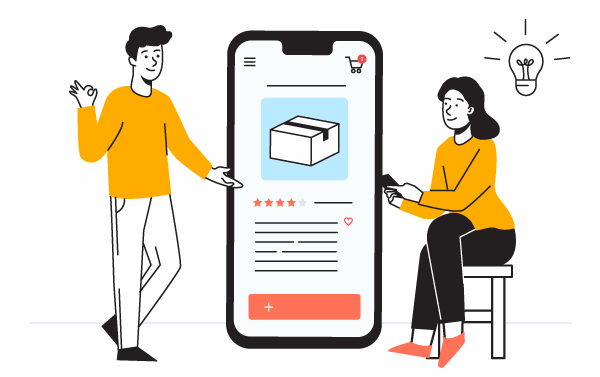
A dropshipping agent is a person or company that helps connect your store with manufacturers or suppliers and can also coordinate parts of the fulfillment process.
In simple terms, the agent sits between you and the companies that make or supply your products.
Instead of choosing only from one supplier's existing catalog, you can send an agent the product you're looking for and ask them to source it.
The agent can then compare suppliers, request prices, arrange samples, and help you work out which option fits your requirements.
If you continue with that product, the agent may also arrange for inventory to be sent to a fulfillment warehouse where orders can be checked, packed, and shipped to your customers.

This differs from using a dropshipping supplier directly, where you typically choose from the products and services that supplier already offers.
An agent can be independent, work as part of an agency, or be connected to a fulfillment company.
The exact setup matters because not every agent offers storage, store integrations, branding, or the same level of quality control.
Side note: There is also a more specific type known as an AliExpress agent. We explain the differences in our guide to AliExpress agents here.
What does a dropshipping agent do?
A dropshipping agent can handle several tasks that would otherwise fall to you or your supplier.
The exact services depend on the agent, but these are some of the most common:
- Product sourcing. Search for the product you want across manufacturers and suppliers.
- Supplier comparison. Compare quotes, product specifications, minimums, and other supplier terms.
- Price negotiation. Negotiate with the supplier on your behalf when there is room to do so.
- Samples and quality checks. Arrange samples or inspect products before fulfilling larger quantities.
- Inventory coordination. Arrange stock for products you sell consistently when holding inventory makes sense.
- Order fulfillment. Coordinate picking, packing, shipping, and tracking.
- Branding. Help arrange branded packaging or inserts, plus private labeling and white labeling when available. See our guide to branding a dropshipping store for more ideas.
- Shipping. Compare shipping routes for your target countries instead of automatically using the same option everywhere.
- After-sales problems. Help resolve lost parcels, damaged products, wrong items, and other fulfillment problems.
- Supplier coordination. Communicate with factories about stock and packaging, plus production capacity when your order volume changes.
- Planning around disruptions. Warn you about issues such as factory holidays or shipping slowdowns that could affect your orders.
Some suppliers now offer several of these services themselves.
For example, CJdropshipping offers product sourcing alongside warehousing, quality inspection, custom packaging, and fulfillment.
So when comparing options, focus on the actual service rather than whether a company calls itself an agent or a supplier.
Dropshipping agent vs supplier: what's the difference?
A supplier sells products to you, while an agent usually helps you find and coordinate the supplier that makes or provides those products.
In practice, the line can get blurry because some larger suppliers now offer sourcing and fulfillment services that look a lot like an agent.
Here are the differences we would focus on:
- Product range. A supplier usually starts with its own catalog. An agent can search across multiple suppliers for a product that matches your request.
- Relationship. With a supplier, you deal directly with the company selling you the product. An agent can coordinate several suppliers on your behalf.
- Pricing. A supplier gives you its price. An agent may be able to compare several quotes or negotiate, but you also need to factor in the agent's costs.
- Order requirements. Some suppliers let you start with individual orders. An agent may have different requirements for sourcing, inventory, or fulfillment services.
- Automation. Both models can be automated. Some agent companies connect directly to your store, while smaller private agents may use spreadsheets or another manual process.
- Support. An agent can give you one main person for sourcing and fulfillment questions, but the level of support depends on who you work with.
If you're still testing products and your current supplier works well, staying with the simpler setup may make more sense.
An agent becomes more interesting once sourcing, quality control, shipping, or supplier management takes enough time or money that you want someone else to coordinate it.
How much does a dropshipping agent cost?
There is no standard price for a dropshipping agent.
The cost depends on your order volume, the work you need done, and whether you use a private or professional agent.
There are three common fee models:
- Commission. The agent takes a percentage based on the orders or sales they handle.
- Recurring fee. You pay a weekly or monthly amount for the service.
- Service fees. You pay for the work the agent performs.
The agent fee may not be your only extra cost.
Ask whether storage, inspections, custom packaging, or buying stock in advance adds any cost to your arrangement.
That is why comparing agents on the product price alone can be misleading.
Start with the product and shipping cost, then add any agent or handling fees plus packaging and inventory commitments.
You can put that total into your selling-price calculation using our guide to dropshipping profit margins.
Do you need a dropshipping agent?
No, you don't need a dropshipping agent to run a dropshipping store.
You can work directly with a supplier or use a fulfillment platform instead.
The better question is whether an agent would solve a problem you already have.
If you're sourcing products from China, for example, a local agent may be able to communicate with factories and compare suppliers that are harder for you to reach directly.
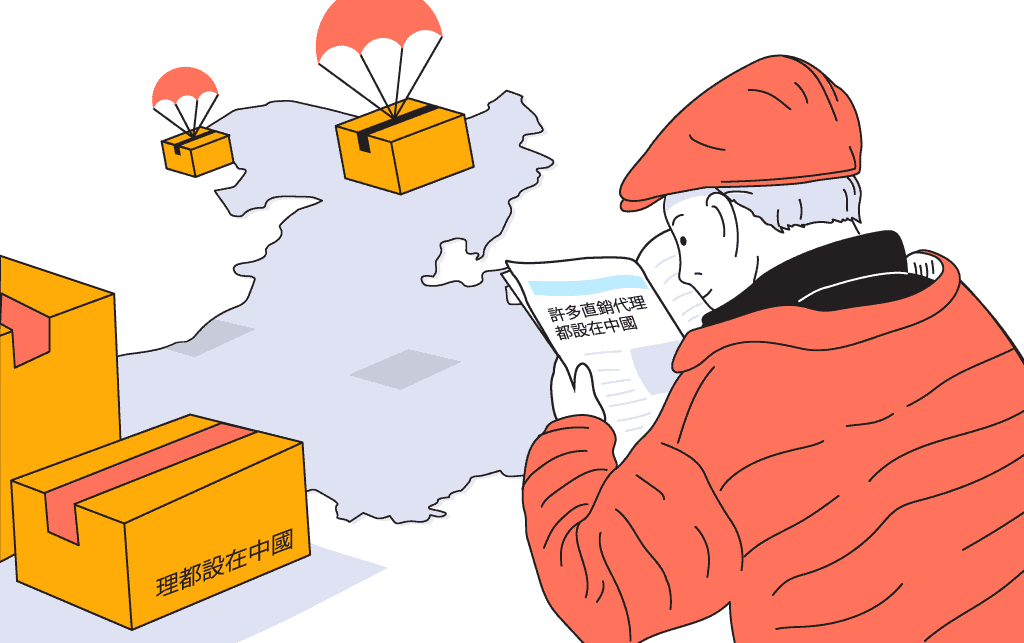
That local knowledge can help when language, supplier communication, or factory access gets in the way.
You're more likely to benefit from an agent when several of these sound familiar:
- You get repeat orders and want to compare other sourcing options.
- Your supplier's prices or stock levels change often enough to cause problems.
- Your customers regularly complain about delivery times.
- Product-quality problems are creating refunds or replacements.
- You want custom packaging, inserts, or other branding.
- You need a backup when your main supplier cannot fulfill an order.
- Too much of your day goes into fixing sourcing or fulfillment problems.
- You work with several suppliers and would rather have one main contact coordinating them.
- You want to source products your current supplier doesn't carry.
On the other hand, an agent may add complexity before you actually need it.
If you're still testing your first products or have very little order volume, a normal supplier is often the simpler place to stay.
Be especially careful if an agent wants you to prepay inventory that your budget cannot comfortably cover.
The same applies if you already know the factories in your niche and can work with a manufacturer directly.
If your real problem is slow international shipping, consider comparing local dropshipping suppliers instead of adding an agent.
What are the benefits of using a dropshipping agent?
The biggest potential benefit is more control over sourcing and fulfillment.

Here is where that can help:
- More sourcing options. Instead of accepting the first supplier you find, an agent can compare several factories or suppliers for the same product. That gives you another way to balance price and quality before deciding how you want to compete.
- Closer quality control. When products pass through a warehouse before shipping, the agent may be able to inspect them or arrange additional checks before they reach customers.
- More shipping options. An agent familiar with your target countries can compare available shipping routes instead of relying on one default service. You can compare the wider options in our guide to getting faster dropshipping shipping.
- Better visibility into stock and pricing. A direct contact can warn you when stock, supplier pricing, or another part of the fulfillment plan changes instead of leaving you to discover it after orders arrive.
- Help planning around disruptions. If you source from China, your agent can keep you updated about factory schedules and events such as Chinese New Year.
- One main contact. Instead of contacting several suppliers yourself, one person can coordinate questions and issues across the supply chain.
- Custom packaging. Depending on the agent and supplier, you may be able to add your logo or inserts to the packaging. That can help make your store more distinctive.
- Faster problem solving. When an order is lost, damaged, or wrong, having one person already connected to the supplier and fulfillment process can make the next step clearer.
None of these benefits is automatic.
A weak agent can create as many problems as they solve, which is why the vetting process matters.
What are the drawbacks of using a dropshipping agent?
An agent gives you another layer of help, but also another layer of cost and dependency.
Here are the trade-offs to check before moving your orders:
- You have to pay for the service. An agent may save money elsewhere, but commissions or service fees can offset part of those savings.
- Some agents may prefer consistent order volume. A private agent can spend time sourcing products and coordinating suppliers, so very small stores will not suit every agent.
- You may need to prepay stock. This depends on the arrangement, but confirm whether the agent expects you to buy inventory before customer orders arrive.
- Fulfillment may be less automated. Larger agent companies can have direct store integrations, while other agents may ask you to send orders through a portal or CSV file.
- Your agent may also work with competitors. Agents commonly work with several clients, and some may sell similar products.
- You are adding another dependency. If your agent stops replying or cannot fulfill orders, your store still has to deal with the customers who already paid you.
- Private agents can be harder to vet. A freelancer found through a group may have less public information than an established supplier or agent company.
Compare the problems the agent would solve with the extra cost, commitment, and dependency they introduce.
Can you trust a dropshipping agent?
Some dropshipping agents are trustworthy, and some are not, so the word "agent" itself tells you very little.
This matters most with private agents because you may find them through Facebook, Reddit, or a freelancer platform rather than an established company website.
Before sending over meaningful order volume or paying for inventory, verify as much as you can.
- Ask other store owners about them. A recommendation is more useful when it comes from someone who has recently sent real orders through the agent. Public reviews can help too, but look at the details, not just the score.
- Ask for recent shipping evidence. An agent may be able to show anonymized tracking examples so you can compare actual routes and delivery progress with what they promise.
- Ask to see the operation. A video call or current warehouse footage can help you confirm that the person and operation exist. For extra verification, ask them to show something specific during the call rather than accepting a generic video.
- Order a sample. Check the product and packaging yourself, then see whether processing and shipping match what you were told.
- Be careful with large upfront commitments. Get the fees and stock terms in writing, along with the refund process and other important conditions. If you cannot verify the person or the terms, that is a risk you do not need to take.
No single check proves an agent is trustworthy, but several independent checks make it much harder to fake the whole operation.
Private vs professional dropshipping agents
A private agent is usually an independent freelancer, while a professional agent works through a larger agency or business.
Neither type is automatically better.
- Private agents. You may get more direct contact and flexibility because you are dealing with one person. The trade-off is that capacity, backup staff, integrations, and public information can be more limited.
- Professional agents. Larger companies can have teams, warehouses, dashboards, and store integrations. You may get more infrastructure, but the service can feel less personal, and you still need to check the pricing model.
Companies such as HyperSKU and Dropshipman combine product sourcing with fulfillment through platform-based systems.
That can be easier if you want software handling more of the order flow instead of arranging a manual process with an individual agent.
How to find a dropshipping agent in 2026
You have a few realistic places to look, and each comes with a different level of vetting.
Ask in Facebook groups
Dropshipping Facebook groups can be useful because you can find both agents and store owners who already work with them.
In fact, this is how I found my own agent.
You can start with our Facebook group or compare it with other Facebook groups for dropshippers.
Search the group first to see whether members have discussed agents recently, then create your own post if you still need recommendations.

A simple post could look like this:
Hello,
I'm looking for a dropshipping agent for products in the [NICHE] niche.
We currently average around [ORDERS PER DAY] orders per day, mainly to [TARGET COUNTRIES].
Can anyone recommend an agent you've worked with recently and had a good experience with?
Expect agents to message you directly after a post like this.
Treat those messages as leads and run the same checks on everyone before choosing.
Search for agents on Upwork
Upwork gives you more public information than a random social-media message.
Search for "dropshipping agent," then look at the person's job history, client feedback, location, and experience with the kind of product you want sourced.
You can also post a job that explains your product category and current order volume, plus the countries you sell to and the work you need help with.

Search and post on Reddit
Dropshipping communities on Reddit are another place to look for recommendations.
Search existing threads before posting because someone may have asked about agents in your niche or sourcing country recently.
If you create your own thread, include enough context for the recommendations to mean something. Your niche, approximate daily order volume, and target countries are a good start.

Work with an agent company
If you would rather work with a company than find an individual agent, compare the options in our guide to the best dropshipping agents.
Agent companies are easier to research because you can usually check their website, integrations, service terms, and public reviews before contacting them.
If HyperSKU is one of the options you're considering, we also have a separate review of HyperSKU.
Use a supplier with sourcing services
You may not need a separate agent at all if your supplier already offers the services you're looking for.
Some suppliers now combine product sourcing with quality checks, warehousing, custom packaging, and order fulfillment.
CJdropshipping is one example, and you can see how the wider platform works in our CJdropshipping review.
How to choose the right dropshipping agent
The right agent is the one whose sourcing network, costs, shipping setup, and service level fit what your store actually needs.
Do not choose based on the cheapest product quote alone.
Check these points before committing:
- Location. An agent close to the factories producing your products may find it easier to visit suppliers or coordinate inspections. If you're sourcing from China, Hawksford's overview is a useful introduction to how the country's main business and manufacturing regions differ.
- Experience with your products. Ask what similar products or categories they have sourced before. An agent who already understands the materials, variants, or common quality problems in your niche has less to learn from scratch.
- Shipping costs and delivery estimates. Ask which routes they recommend for your main countries and what the total shipping cost will be. Our guide to dropshipping shipping methods can help you compare the options.
- Processing time. Find out how long the agent normally takes from receiving an order to handing the parcel to the carrier. Keep processing time separate from the carrier's estimated transit time.
- Communication. Agree on the main contact method and what happens when an urgent order problem comes up. Clear replies matter more than a vague promise to be available all the time.
- Stock and minimums. Ask whether you need to prepay inventory, maintain a minimum balance, or meet a minimum order quantity.
- Flexibility. Your order volume will not always stay the same. Ask what happens if you pause ads, change products, or have a slower month before agreeing to hold stock.
- Supplier network. Ask how the agent finds suppliers and what they do before recommending one. If the agent is buying from Alibaba or 1688 without adding useful sourcing or verification work, check whether you could do the same job yourself.
- Packaging options. If branding matters to you, confirm what they can customize and whether packaging has its own minimum order or storage requirement.
- After-sales process. Ask what happens when an item is lost, damaged, incorrect, or returned. Make sure the answer matches the returns policy you promise customers.
- Fulfillment setup. Find out whether orders sync through an app, go through a dashboard, or need to be sent manually.
- References and reviews. Check public reviews when they exist, then ask for a reference if you are considering a private agent with very little public history.
Once you have a shortlist, order the same or a similar sample from two or three agents.
Compare the product quality and packaging, then check processing and delivery against what each agent promised.
Only after that would we move meaningful customer order volume to one of them.
For a deeper look at the checks themselves, see our guide to dropshipping quality control.
How to contact a dropshipping agent
Your first message does not need to be long, but it should give the agent enough information to answer properly.
Here is a template you can adapt:
Hello,
This is [NAME] from [STORE NAME]. We sell products in the [NICHE] niche and currently get around [ORDERS PER DAY] orders per day.
Most of our customers are in [TARGET COUNTRIES]. We're looking for help sourcing and fulfilling [PRODUCT OR PRODUCT TYPE].
Could you tell me:
- Can you source this product with these specifications?
- What would the product and shipping cost be to [TARGET COUNTRY]?
- Are there any agent, handling, storage, or other fees?
- Do you require prepaid stock or a minimum order volume?
- What is your usual processing time before shipment?
- What quality checks do you perform?
- How do you receive orders from my store?
- What happens if a parcel is lost or a customer receives the wrong or damaged product?
Thank you!
You do not need perfect answers in the first message.
You do need enough detail to compare several agents on the same points instead of choosing whoever sends the lowest product price.
How to connect a dropshipping agent to your online store
Once you choose an agent, agree on the practical details before sending live customer orders.
Confirm the products and target countries first, then put the costs and stock terms in writing along with processing times and what happens when an order goes wrong.
From there, the technical setup depends on the agent.
- Integrated agent platforms. Some companies connect directly with ecommerce platforms such as Shopify or WooCommerce. Depending on the platform, orders and tracking can sync between your store and the agent's system.
- Private or manual setups. Other agents use their own portal, spreadsheet, or CSV process. In that case, agree on exactly how orders and tracking numbers will move between you.
Do not move every order over on day one.
Start with a small batch, then check whether the processing time and tracking match what you agreed. Check the product and packaging too.
If that works as agreed, you have much better evidence for whether the setup is ready for more orders.
Conclusion
A dropshipping agent can be useful once sourcing, quality control, shipping, or supplier coordination takes more time than you want to handle yourself.
If you're still testing products and your current supplier is doing the job, you probably don't need to add an agent yet.
If you do start comparing agents, focus on the total cost and how they actually handle your orders.
Order a sample, verify who you're dealing with, and put the important terms in writing before committing inventory or moving a large share of your customer orders.
If an agent doesn't fit how you want to run your store, you can still compare other sourcing and ecommerce models.
You can also browse the rest of our dropshipping agent guides here.
Want to learn more about dropshipping agents?
Here's what we'd pick up next:
- Compare the best dropshipping agents
- See where you can source dropshipping products
- Learn how to find dropshipping suppliers
- See what to check before choosing a supplier
- Decide whether you need a backup supplier
New to dropshipping? Our beginner's guide to starting dropshipping covers what the business actually involves before you decide whether to continue.