Thinking about starting over in a different niche because your ecommerce store isn't getting the results you expected?
A different niche can be the right move, but weak results don't tell you what needs changing.
The problem might be the product or the people you're reaching. Before rebuilding everything, work out what is actually holding the store back.
You may be better off fixing the current store or changing the product without leaving the niche.
And when the numbers no longer make sense, pausing or stopping can be a better decision than opening another store.
Key takeaways
- Diagnose before you switch: Check where the current store is struggling before blaming the niche.
- Look for a pattern: Changing niches makes more sense when demand still looks weak, or the numbers still don't work after you've fixed the problems you can.
- A new niche won't fix the same process: Weak product research or poor supplier checks can follow you into the next store.
- Reuse what still fits: Your platform and theme may still work. The same can be true for useful processes and some branding assets.
- Set limits for the next test: Decide what you're willing to spend and change before you start rebuilding.
- Starting over isn't the only option: Fixing the current store or changing the product can make more sense than opening another one. Pausing or stopping are valid options too.
Let's go more in-depth now!

Start your store on Shopify
Free 3-day trial + $1/month for 3 months
- Grows with you from first test product to full brand
- Thousands of apps and hundreds of themes to customize your store
- Beginner-friendly editor with pro features when you're ready
No card to start. Cancel anytime.
When should you start over in a different niche?
Start with the current store, not the new niche.
The ecommerce purchase funnel can help you find where shoppers are dropping out:
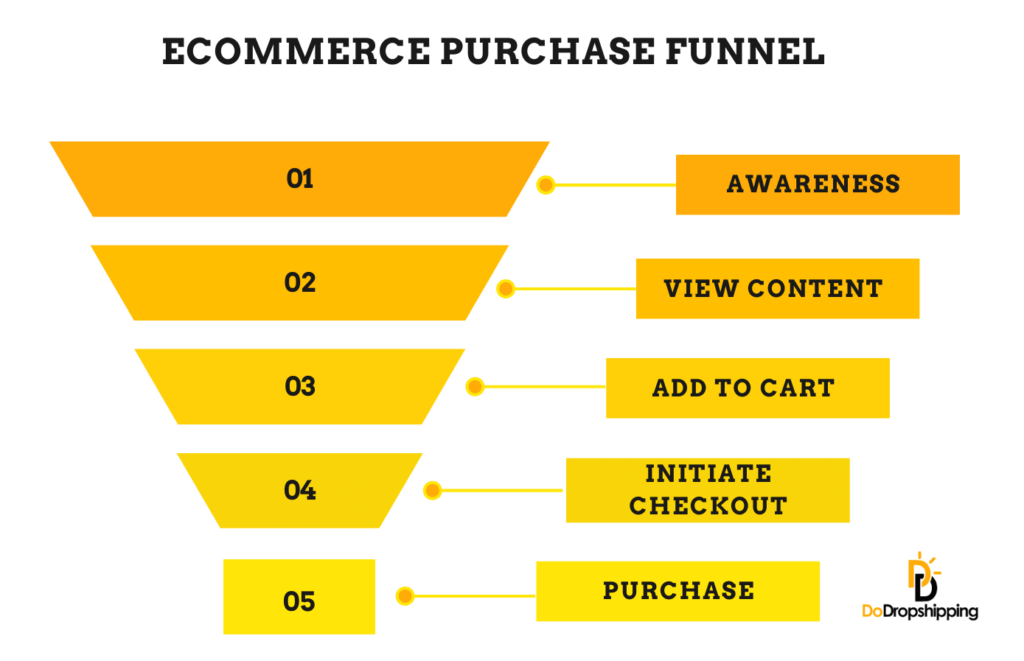
A drop at one stage doesn't prove what caused it, but it gives you a better place to investigate.
| What you're seeing | What it may point to | What to check first |
| Very little relevant traffic | Traffic or audience problem | - Traffic source - Targeting - Content - Whether the right people see the offer |
| Visitors arrive but show little product interest | Product, offer, or niche fit | - Product appeal - Price and positioning - Competitors - Customer need |
| People add to cart but don't complete checkout | Buying-process friction | - Shipping cost - Delivery expectations - Trust and payment options - Checkout issues |
| You make sales, but the numbers still don't work | Cost or margin problem | - Product and shipping costs - Payment fees and refunds - Marketing cost - Selling price |
For example, strong product interest followed by a sharp checkout drop could point to shipping costs or checkout friction. Moving from pets to kitchen products wouldn't solve that.
Our guide on why people may not be buying from your online store can help you work through the main bottlenecks before you rebuild.
You can also look at your marketing and store setup separately, then check your pricing strategy and product choice.
After those checks, you may find that the product itself isn't worth testing further.
Maybe the margin is too thin at a realistic selling price, or customers can easily get a similar product somewhere else.
Another common mistake is getting attached to one product because you've already spent time on it. Past effort isn't a reason to keep spending if the next test no longer makes sense.
Signs that changing niches may make sense
No single metric tells you to leave a niche. You're looking for several signs pointing in the same direction.
Maybe the products you can source leave little room after product and shipping costs. Supplier options may also be poor for the market you want to serve.
Or your research may keep showing weak customer interest in the offers you can realistically sell. In that case, a different niche can be worth comparing.
Don't switch just because another niche looks more interesting. You should be able to name what is better about it.
Maybe the products leave more room for profit, or the suppliers fit your target market better. A clearer way to reach the audience is another good reason.
Your own interest can help, but it shouldn't be the whole reason. Knowing the niche can make it easier to understand customers and write useful product copy. It doesn't prove they'll buy from you.

This is also why a fresh store doesn't automatically solve an execution problem. A weak page or unclear offer can perform poorly in the next niche too.
When should you fix the current store instead?
Sometimes you blame the niche before the store has told you much.
One failed product or ad campaign doesn't mean an entire niche is bad. The same is true after a short period without the right visitors.
If the store has an obvious pricing or product-page problem, test that bottleneck first. You could also try a different product without rebuilding the whole brand.
But give the test a boundary. Decide what you'll change and what result would make you revisit the idea.
If the results stay weak after the checks you planned, moving on can be the sensible decision.
Pros and cons of starting over in a different niche
Changing niches can solve a real niche problem, but it also means redoing some of the work you've already done:
| Potential benefit | Trade-off |
| You can leave a niche where the numbers or supplier options don't work | You still need evidence that the new niche is a better fit |
| You can apply lessons from the first store | The same store or marketing mistakes can follow you |
| You can build a clearer offer for a different audience | You may need new branding and products |
| You can simplify what didn't work before | You may also need new content or supplier relationships |
| You may lose a useful domain, search visibility, or a niche-specific audience |
Your earlier work still has value. You may already know which store-building steps took longer than expected and which supplier questions you wish you'd asked sooner.
But don't assume that experience makes the next store more likely to succeed. It can help you avoid known mistakes, but the new niche still needs its own research and testing.
5 steps to start over in a different niche
Still leaning toward a new niche? Use what you learned before you rebuild anything.
1. Write down why the current store isn't working
Make a short diagnosis before researching the next niche.
Look at the areas that matter most:
- How you're getting traffic and whether those visitors match the audience you want.
- Which products get interest and where shoppers lose interest.
- Whether your selling price leaves enough room after the costs you expect to pay.
- Whether your supplier setup works for the market you're trying to serve.
- Any store or checkout issue that could be hurting conversion.
That gives you a list of problems you don't want to repeat.
2. Compare new niches before choosing one
Don't choose the next niche because it feels more exciting than the current one.
Start with a few ideas and compare them using the same criteria. Our guide walks through different ways to research niches.
Interest can still be useful. If you already understand a niche such as kitchen tools or pet products, you may find it easier to spot customer questions and evaluate products.
That knowledge can also help you write more accurate product descriptions. Just don't confuse familiarity with demand.

Before you commit, use our guide to check whether a niche could be profitable.
The word "could" matters. Research can improve the decision, but no niche guarantees that your store will make a profit.
4 ways to research a new niche
1. Look at existing stores. Competitors can show that sellers are already targeting the audience, but they don't tell you how profitable those stores are.

2. Check whether people gather around the topic. Search engines and social platforms can show how people discuss the niche, and communities on sites such as Reddit can add another view.
3. Look at marketplace activity. Amazon and AliExpress can give you more clues about the products people already buy. Order counts and reviews are research signals, not proof that your own store will sell the same item profitably.
4. Check how you could reach the audience. Look at organic and paid channels before you commit because a niche is harder to test without a realistic way to reach the right people.
For a fuller framework, read our niche research guide.
You can also use our guide to starting an online niche store once you're ready to work through the setup.
For example, some themes are designed around particular industries or catalog types.
On Shopify, you can compare themes in the Shopify Theme Store before deciding whether your current theme still fits.

3. Decide what you can reuse
Starting over doesn't mean every asset has to go.
A broad store name may still work. The same can be true for your ecommerce platform or theme.
A niche-specific domain and social audience are more likely to need a rethink.
Take a domain such as petparadise.com. It would be confusing if the store suddenly sold kitchen tools, so a new domain would make sense.
Need a new domain? Namecheap is one registrar you can compare with other options.
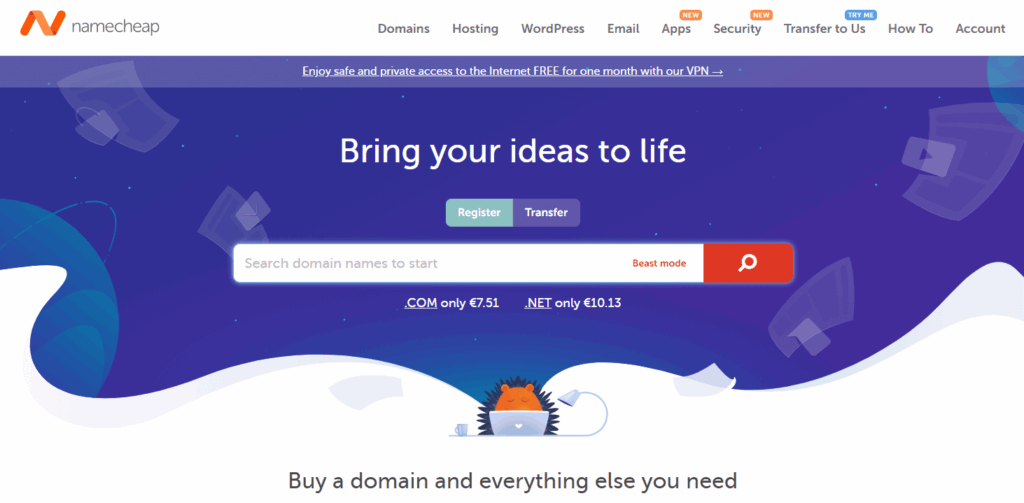
You can check domain availability on Namecheap here. Compare the renewal price and the features you need before choosing a registrar.
A .com domain may fit if the name you want is available, but it isn't your only option. The right extension depends on the brand and market you want to build around.
For example, a .store domain is another option when the .com name you want isn't available:

The extension can make the retail purpose obvious, but don't choose it only for that reason. The domain still needs to be easy to remember and fit the brand.
What if you're using Shopify?
You can also keep the same Shopify store when Shopify still fits what you need. Changing niches doesn't force you to open another account.
You can change the customer-facing primary domain of your Shopify store, and Shopify currently lets you change the .myshopify.com domain once from Settings > Domains.
The original .myshopify.com domain remains the store's permanent identifier.
A separate store can still make sense when you want a clean break from the old setup.
Shopify has a process for duplicating parts of a store, but some information has to be moved or recreated manually:

Shopify's current store duplication guide explains what transfers and what doesn't.
4. Update the brand and accounts that no longer fit
Now change the parts customers will actually notice.
A store name tied to the old niche will probably need changing. Shopify users can change the store name from the Shopify admin.

Tip: Need help naming the new store? Our guide explains how to choose a store name.
Then check the theme and other brand assets for the old name. Your logo is an obvious one:

Your social pages may also need a new name or a separate account if the existing audience has nothing to do with the new niche.
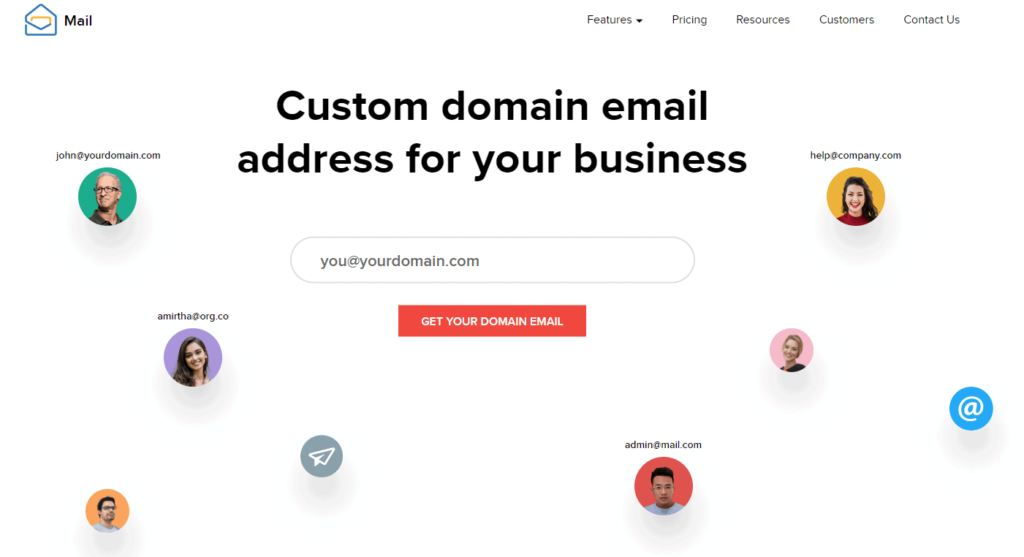
The same applies to a niche-specific business email. If you need another one, our guide covers how to set up a business email address.
5. Build a small test and decide when you'll review it
Once the niche and reusable assets are clear, rebuild only what the new direction needs.
That may include a new product shortlist and supplier checks. You may also need samples or new product pages.
Make sure the shipping and returns information matches the new products before you take orders.

For a Shopify setup, our Shopify dropshipping guide covers the wider store-building process.
But don't make the restart bigger than it needs to be. A new niche isn't a reason to buy a premium theme or install a long list of apps.
And before you spend more, decide how you'll judge the new test. That keeps another attempt from becoming open-ended.
Before you commit to a new direction, decide what you're willing to put into the test. Set limits for the money and time involved.
Then decide what you're trying to learn.
Maybe you want to see whether the right visitors show more interest in the product. Perhaps you're checking whether the new products leave enough margin at a price customers accept.
Choose a point to review the results instead of automatically spending more because you've already invested in the store.
The right review point depends on the test. A paid campaign can give you feedback faster than an organic content strategy, so don't force both into the same timeline.
What if changing niches isn't the right move?
There are more options than rebuilding or continuing indefinitely.
You might keep the niche and fix one clear bottleneck, or change the product or offer without rebuilding the whole brand.
A pause can make sense while you research or save more money. It also gives you room to decide whether ecommerce still fits what you want to do.
Sometimes the right answer is to stop. When the numbers no longer make sense, or you no longer want to invest the time, you don't need another store to justify what you learned from the first one.
So, should you start over in a different niche?
Starting over can make sense when the niche itself keeps creating problems you can't reasonably fix, or when you've found another niche with better reasons to test it.
It makes less sense when you're mainly reacting because the first store has been difficult. A new niche won't automatically fix poor traffic or weak supplier checks. It won't repair an unclear offer either.
Diagnose the current store first, compare your alternatives, and reuse what still fits, then set limits for the next test before spending more.
If another attempt still doesn't make sense, waiting or stopping may be the better move.
Good luck with the decision, whether that means fixing the current store or moving on.
Want to learn more about ecommerce?
Here are a few guides that can help with the next decision:
- 8 Product Description Examples for Ecommerce (+ 5 Tips)
- 24 Most Common Shopify Store Mistakes to Avoid & Tips
- Google Ads vs. Facebook Ads: Which Is Better for Dropshipping?
Thinking about rebuilding the store? Our how to start an online store guide covers what the setup actually takes.