Most people confuse drop servicing with freelancing. It's not the same thing.
Freelancers sell their time. Drop servicers sell a solution, then outsource the delivery to someone else.
That difference matters.
You focus on client acquisition and quality control, and a trusted provider handles the delivery.
It's a real business model, not a shortcut. And when built around the right service in the right niche, it can scale without hiring or agency overhead.
In this guide, you'll see nine drop servicing examples to inspire you to get started.
Let's begin!
9 Drop servicing business models in 2026: An overview
Here's an overview of the nine service arbitrage business ideas:
| Business idea | What it's about | Top pro | Top con |
| UI/UX design | Designing user interface and experiences | High chances of repeat clients | More technical than the other ideas |
| API integration | Connecting platforms for data sharing | A growing market | Finding clients might be challenging |
| AI agents | Building functional AI agents | Massive growth potential | A bias for in-house or agency talent |
| Ecommerce personalization | Creating personalized shopping experiences | Plenty of low-hanging opportunities | Data access restrictions |
| Content repurposing | Turning one piece of content into multiple content types | Beginner friendliness | Fierce competition because of the ease of entry |
| Video editing for content creators | Editing TikToks, reels, YouTube Shorts/videos | High demand for the service | Quality control challenges |
| 3D modeling, mapping, and rendering | Creating 3D models, renders, and maps | An established market | Long turnaround times |
| Conversion rate optimization | Helping brands convert more of their current audience | Performance-based pricing and the possibility of sharing profits | Data access challenges and client education gaps |
| Virtual tours | Creating 3D virtual tours | Lots of potential clients | Reliance on local service providers |
Before we go more in-depth into the examples, let's quickly go over the basics of drop servicing:
How drop servicing actually works (step-by-step)
Drop servicing is simple in structure: you sell a service to a client, outsource the actual work to a freelancer, and keep the profit margin.
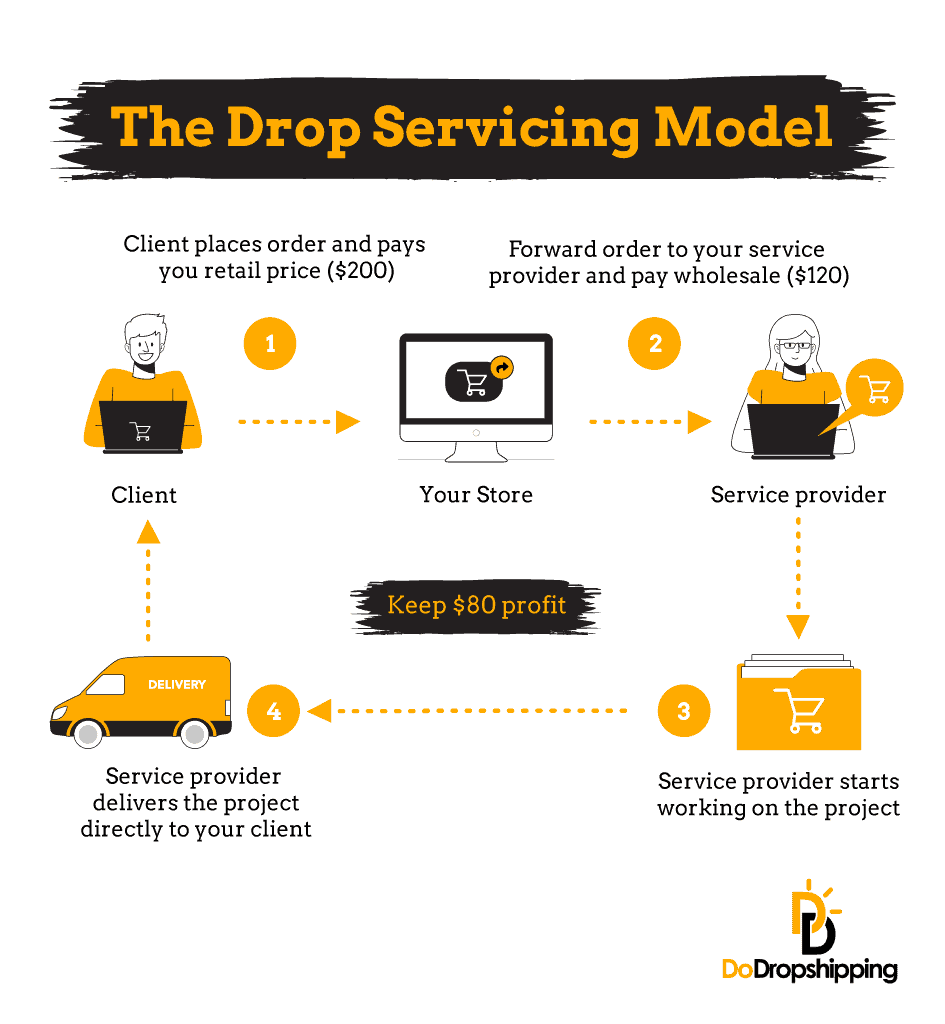
Here's how it works, step by step:
- You attract a client and agree on the project scope, timeline, and price.
- Once the client pays a deposit, you assign the work to a qualified service provider.
- The provider completes the work according to the agreed-upon standards.
- You review the results, request revisions if needed, and deliver the final product to the client.
- You pay the provider their share and keep the difference as profit.
In this setup, the client works directly with you and does not interact with the person performing the actual work. Your job is to manage communication, quality, and delivery.
For a comprehensive breakdown and steps to get started, read our complete guide to drop servicing.
Now, let's segment the service examples into three categories so you can easily jump to those that interest you the most:
Category 1: Tech-focused drop servicing business ideas
Are you into AI, apps, or web development?
If you are, these tech-focused drop servicing ideas should be right up your alley.
1. UI/UX design
According to Mordor Intelligence, the UI/UX market is projected to be worth $2.20 billion by 2025.
Predictions indicate the market will maintain a 33.35% annual growth rate for the next five years and be worth $9.28 billion by 2030.
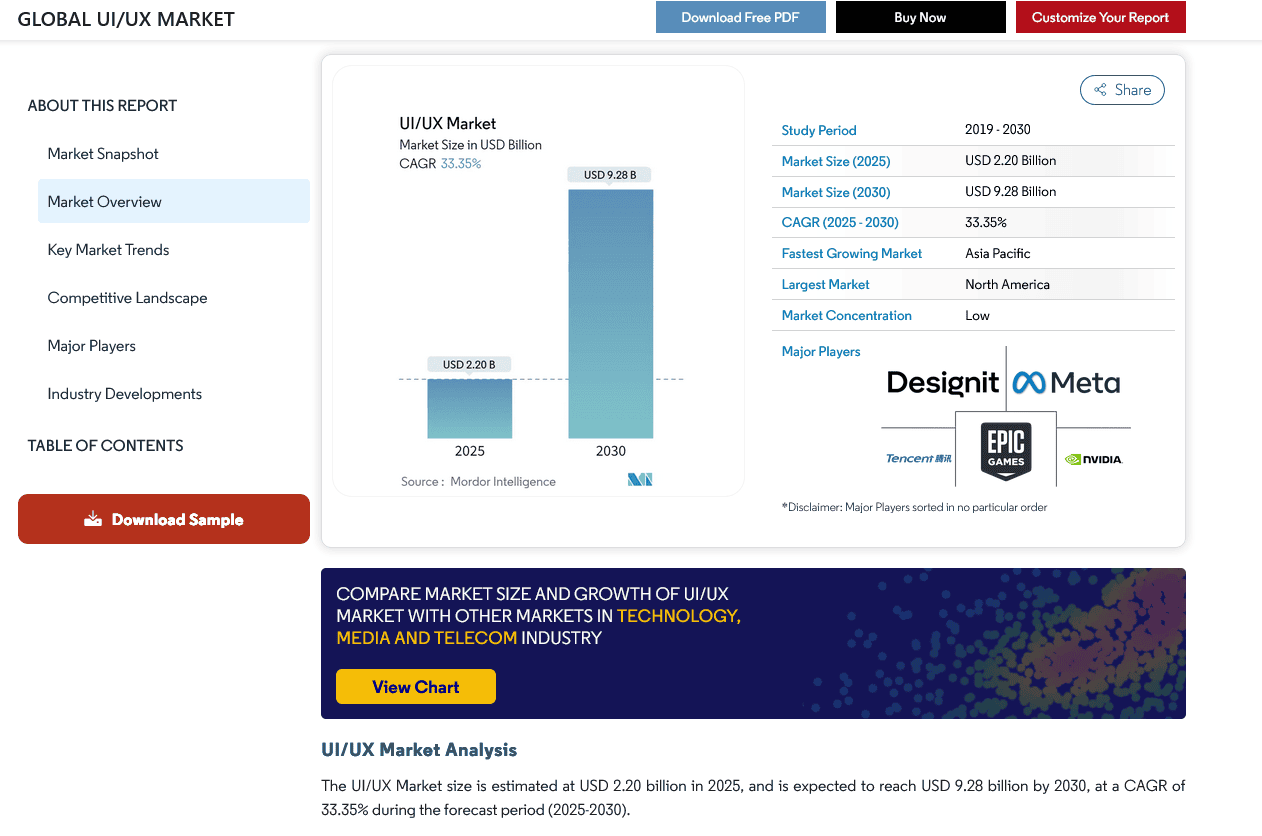
With explosive market growth and consistent demand, UI/UX design is a smart niche to consider for drop servicing, especially for those who can present a polished portfolio and understand the basics.
But how do you get started, and what are the pros and cons of this service business?
Your first step is to create an award-winning portfolio, complete with key pages such as services, contact information, sample projects, and case studies.
This is the foundational step for all the drop servicing business ideas on this list.
Once that's in place, you can then focus on finding and pitching businesses eager to create, upgrade, or redesign their user interfaces (UI) or user experiences (UX).
Pros
High, sustainable demand across different markets
You can target SaaS companies, ecommerce stores, dropshipping businesses, and tons of other brands in different markets.
This breadth makes this service business very appealing and potentially lucrative.
According to data from The Business of Apps, designing the UI/UX of a basic app costs $5,000 to $10,000, while designing a complex one can cost $20,000 or more.

High chance of recurring revenue
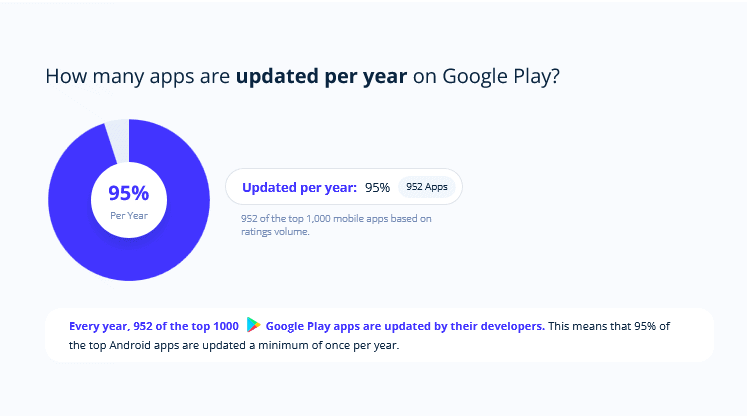
According to 42matters, 95% of the top 1000 Android apps get at least one UI/UX update annually.
Apps on the Apple App Store also experience a similar number of updates:
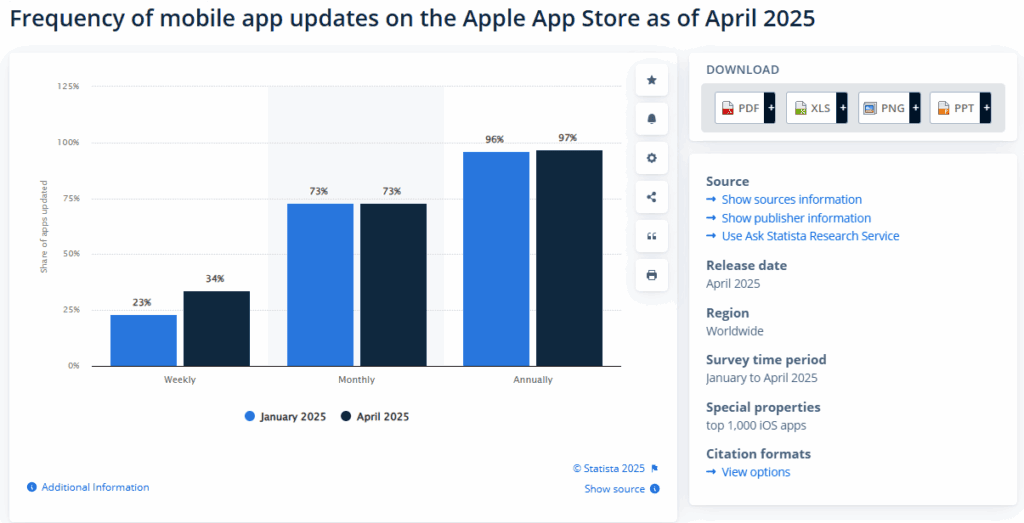
This cements the viability of this service business, as most brands roll out regular UI/UX updates, with some even releasing weekly app updates. (Source)
Therefore, after your UI/UX portfolio convinces a client to hire you, deliver A+ results to increase your chances of getting rehired for future UI/UX redesigns or updates.
Cons
Technical enough to scare away most people
UI/UX design is technical.
Due to its technical nature, acquiring basic UI/UX technical skills often puts off some people.
However, if you are determined to succeed, acquiring basic UI/UX design knowledge can pay off significantly.
If you're interested in this service business idea, Codecademy's free Introduction to UI and UX Design certification is a good starting point.
Longer project timelines
According to Paolo Dotta, co-founder of altar.io, developing a basic MVP interface generally takes three to four months.
The short answer is that, in my experience working with dozens of startups at Altar.io, it shouldn't take more than three to four months to build an MVP.
Paola Dotta, altar.io
According to the company's data, developing a minimum viable product (MVP) for SaaS businesses can take longer depending on complexity.
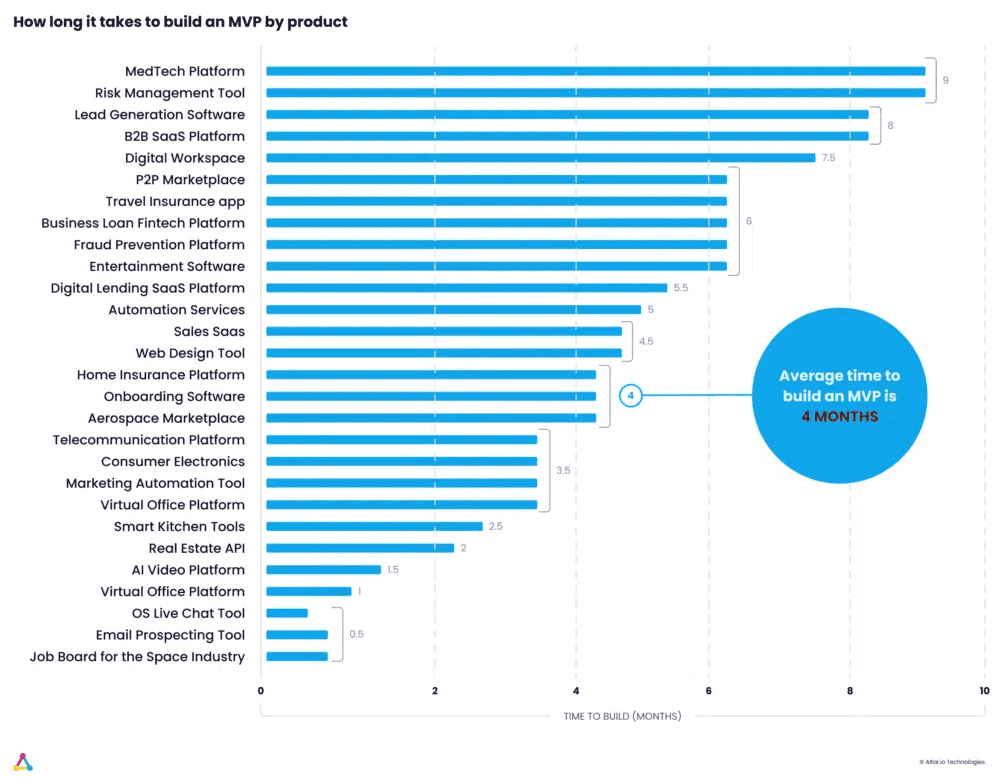
Longer project timelines and involved UI/UX design projects can be disadvantageous, especially if you're eager to experiment with different service business examples.
2. API integrations
Postman's 2024 State of the API Report revealed that 74% of developers and API professionals have started pre-baking API integration features into MVPs.
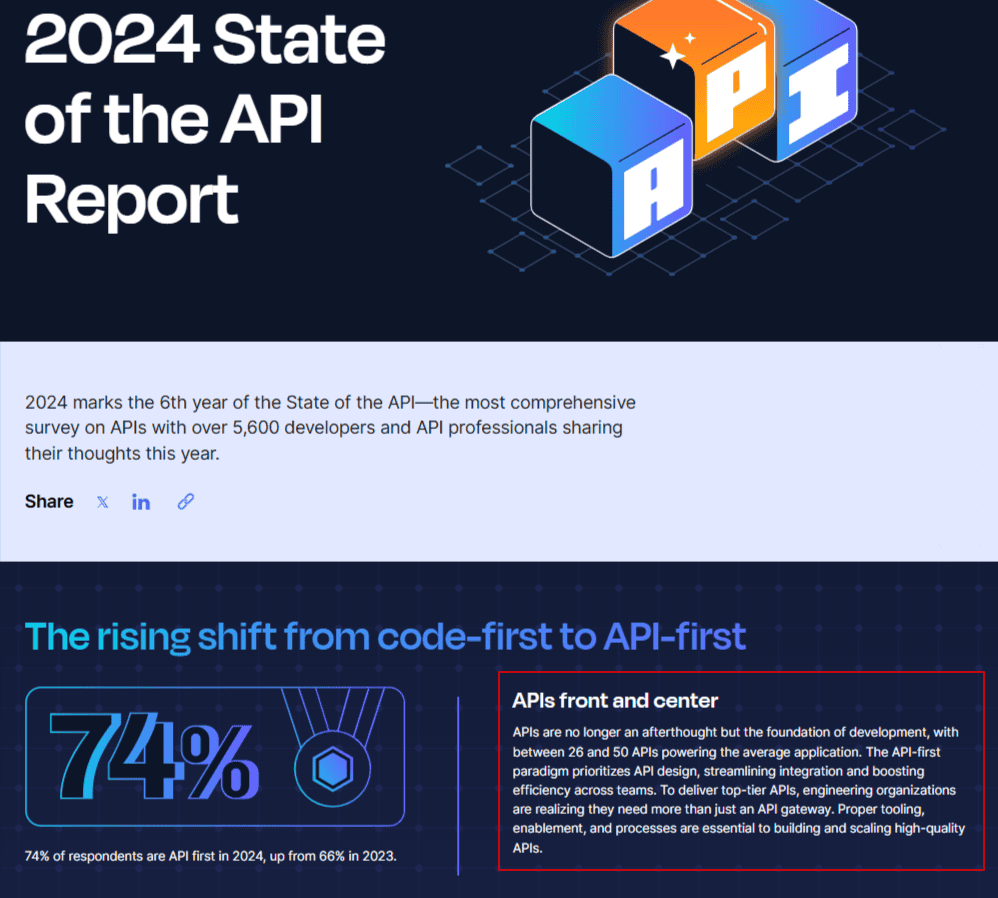
This data demonstrates that the drop servicing business example can be both sustainable and profitable.
Your starting point is identifying businesses that require specific API integrations.
For example, an ecommerce brand might need help establishing an API handshake with CRM platforms, email marketing systems, or even ecommerce automation tools.
LinkedIn, Upwork, Fiverr, and similar gig platforms are solid places to look for such clients, but direct pitching is your best bet.
Pros
A growing, sustainable market
According to Research and Markets, the current global API market size is $23 billion, with predictions suggesting it will reach $50 billion by 2030.
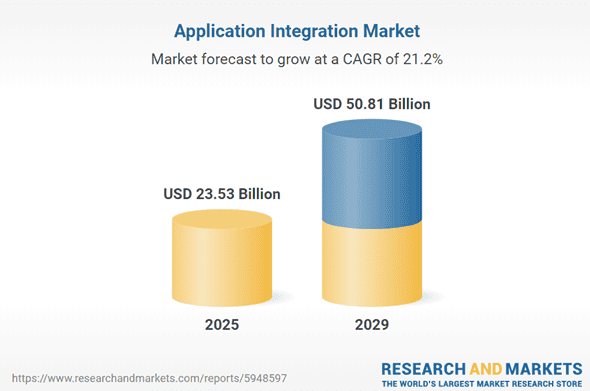
We're sure you can see the massive potential here.
High revenue potential
Talentelgia estimates that a basic API integration project costs between $2,000 and $5,000, while advanced or custom integrations can cost $15,000 and above.
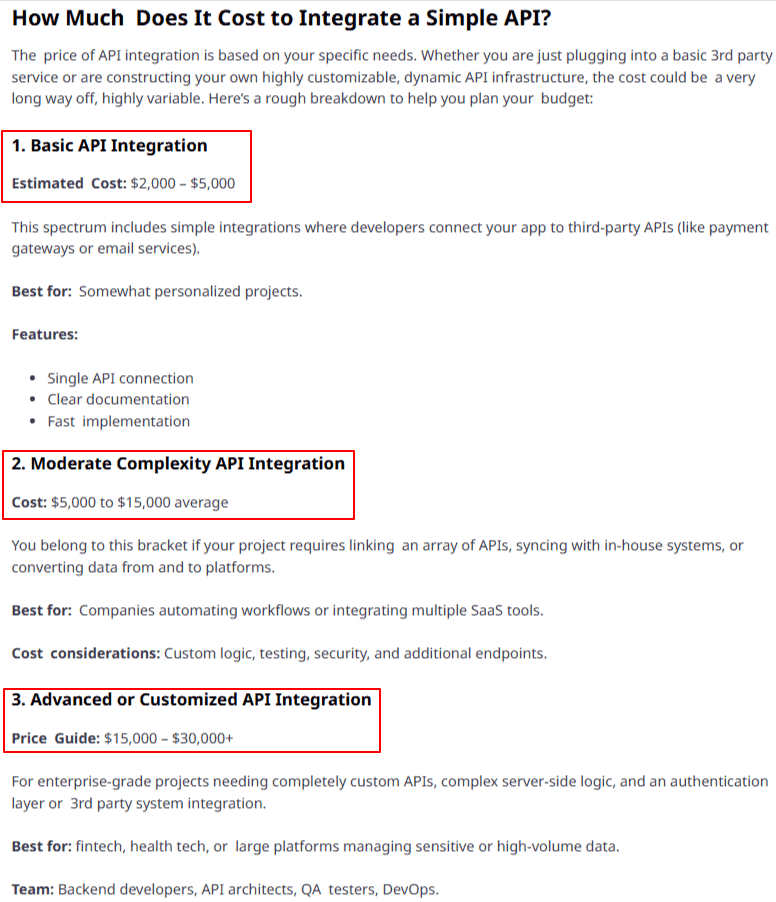
While these figures can vary significantly depending on the required API integration, they serve as a good indicator of the profitability of this drop servicing business idea.
Consider this scenario, for instance:
Let's say you find a Shopify store owner who needs basic API integration with Stock Sync or other third-party inventory management apps.
Let's also assume you agree on a basic $3,500 for the project. However, you end up paying your go-to API integration expert $2,000 for the project.
Although this scenario is hypothetical, you don't need to be a math whizz (haha) to conclude that with a sound strategy, this service example can have good profit margins.
Low entry barrier
API integration is still somewhat technical to most people.
However, it's not rocket science; any determined and dedicated person can learn enough to start an API integration service business.
Foundation-wise, you need:
- A spot-on portfolio with landing pages for particular API integrations.
- Platform-specific API knowledge (you can get that from API documents).
- A marketing/client outreach plan and an effective workflow pipeline.

This ease of entry makes API integration a terrific example of a service business, especially if you enjoy learning about how different systems interface for real-time data sharing.
Cons
Marketing challenges
This is not the easiest-to-market drop servicing business idea on this list. Here is why:
First, you'll need a world-class portfolio that can convince key decision-makers in target businesses.
Creating this foundation can be challenging and time-consuming, especially if you lack foundational knowledge of APIs.
Secondly, Upwork, Fiverr, and other freelancer platforms are great places to find clients seeking API integration services and professionals offering these services.
Unfortunately, competition on such platforms is fierce; if your portfolio is not competitive, landing an API integration gig will be challenging.
Integration challenges can complicate and lengthen a project
Establishing an API handshake is a technical and involved process that's prone to many challenges.
For instance, after partnering with Atomik Research to survey engineers and product managers, Merge discovered four key integration challenges.
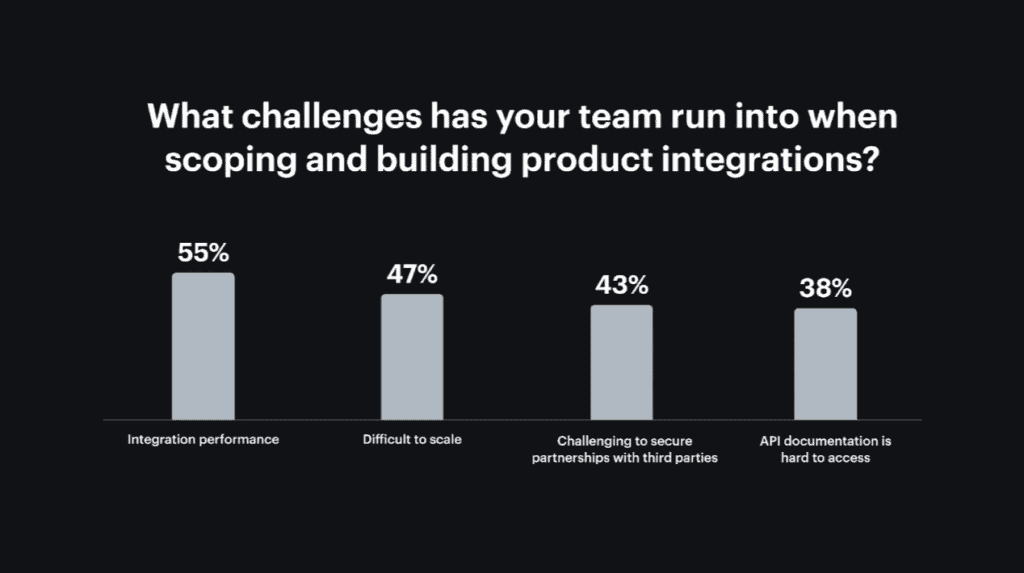
Working with experienced API integration experts can help reduce the likelihood of these challenges arising.
Having a clear strategy document, clear timelines, and well-defined deliverables can also be helpful.
Nonetheless, anticipate and plan for such challenges, as they are inevitable, and when they occur, they can complicate and delay an integration project.
3. Building functional AI agents
AI agents are trending, and you've probably seen your fair share of influencers explaining how anyone can use platforms like N8N to create AI agents.
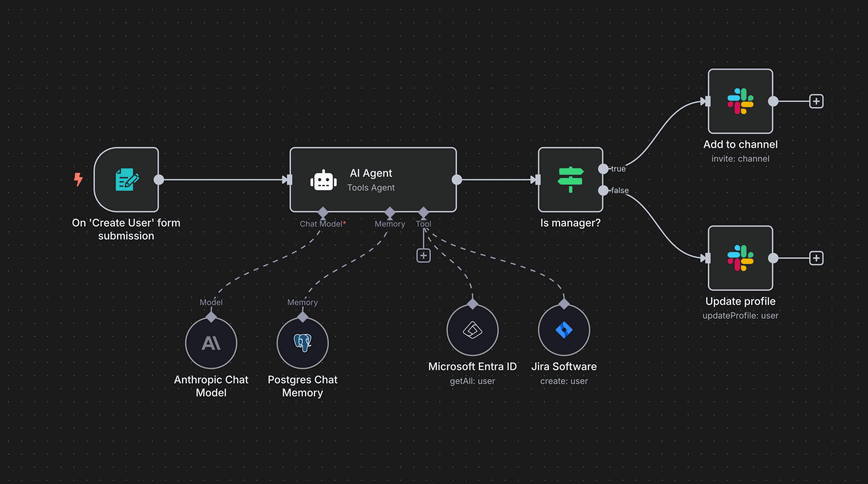
Their potential has excited everyone, including business leaders like Nvidia's co-founder and CEO, Jensen Huang, who said:
"I'm hoping that Nvidia someday will be a 50,000 employee company with a 100 million, you know, AI assistants, in every single group..."
Jensen Huang's Bg2 podcast interview
The great news is that you don't have to be a pro at creating AI agents or systems to start experimenting with this business idea.
But what makes building AI agents a good drop servicing business idea?
Pros
A rapidly expanding market
A report published by Precedence Research concluded that the AI agents market is worth $5.43 billion in 2025. But get this:
According to the same report, this market is expected to be one of the fastest-growing, with predictions indicating it may be worth $236 billion by 2034!

If you want to try a drop servicing business idea with massive growth potential, these figures should convince you to try this one.
Lots of business opportunities
Wouldn't most businesses pay handsomely to hire someone who can automate repetitive tasks, thus freeing up resources for higher-value tasks? They would!
And how many tasks can businesses automate using AI agents?
You guessed it: uncountable!
For example, AI agents can automate data analysis, relationship and customer management, email marketing, content creation, and many other tasks!
FOMO-driven urgency
The fear of missing out (FOMO) is motivating many businesses to adopt AI en masse.
For context, an AI Q4 Pulse Survey from KPMG concluded that more than half of the surveyed business leaders intend to invest millions in AI.
More than half intend to scale their GenAI technology stacks.
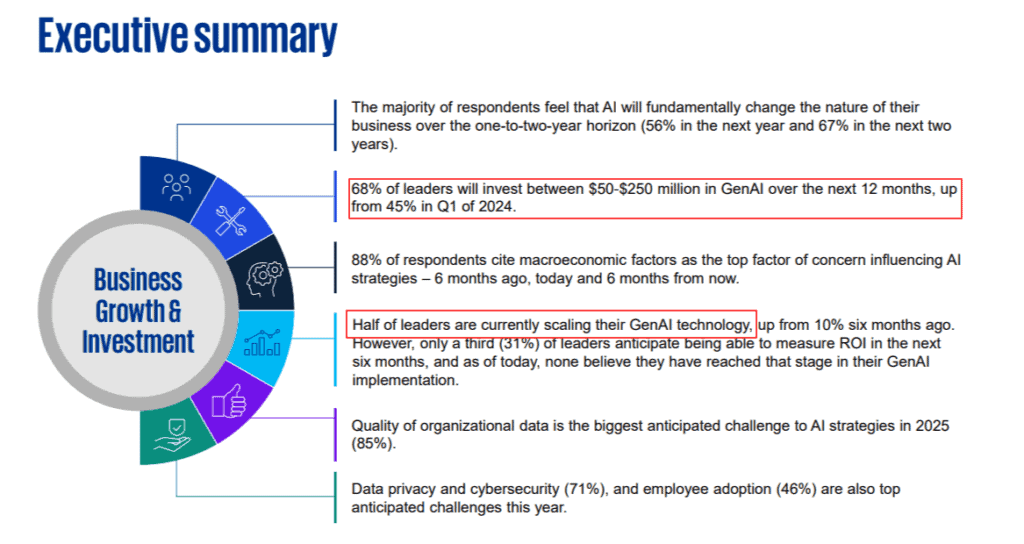
The fact that no business wants AI-using competitors to outperform it has created urgency.
As businesses of all shapes and sizes scramble to board the AI train, you can capitalize on this need.
Cons
A bias for agency/in-house AI talent
Let's assume you're a C-suite leader in a business that is ready to invest millions in AI systems.
From this leader's perspective, would you rather create an in-house AI team, hire an established AI agency, or outsource the task?
The first two choices likely make more business sense than entrusting a third-party with the complex task of integrating AI agents into critical business processes.
That's where agency/in-house talent bias creeps in.
In fact, a Salesforce report on AI upskilling in the UK found that 84% C-level business leaders intend to invest in internal AI teams.

This bias can make the client-finding process difficult.
Effectiveness depends on data accuracy/AI model
You've probably heard about AI hallucinations, a state where AI models generate inaccurate, nonsensical, or misleading outputs.
AI hallucinations are typically caused by biased or inaccurate training data.
They are a pressing concern for business leaders because they can cause reputational damage and result in annual losses of $406 million. (Source)
Category 2: Marketing/content-based drop servicing business examples
If you have a keen interest in content, consider trying these marketing/content-related service arbitrage business examples:
4. Ecommerce personalization
70% of consumers are likely to purchase from, repurchase, and recommend brands that personalize their customer lifecycle experiences. (Source)
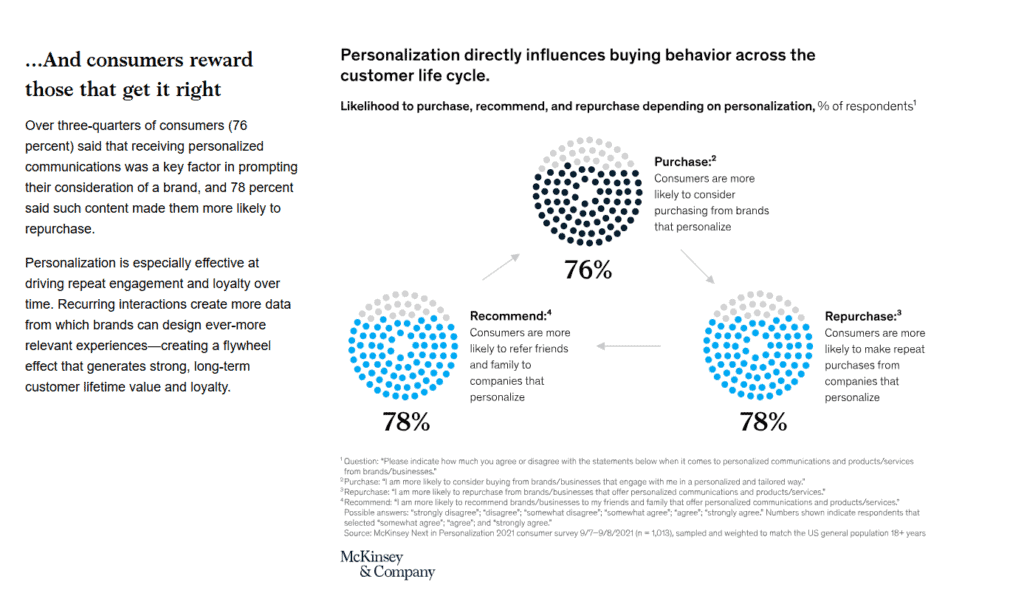
This service arbitrage business idea is centered on helping businesses craft personalized customer experiences.
This can involve creating custom product recommendations, targeted ads, multi-channel personalization, and personalized Facebook Ads retargeting, among other strategies.
Pros
Many opportunities
This drop servicing business idea offers numerous opportunities, as ecommerce brands can customize various aspects of their customer experience journeys.
According to McKinsey, 40-75% of consumers enjoy personalized experiences in 11 key areas.

Some ideal starting places include custom checkout experiences/messages, custom AI agents and chatbots, smart recommendations, and trigger-specific Shopify Flows.
You can use AI
AI adoption in ecommerce is growing, as shown by this Precedence Research report.
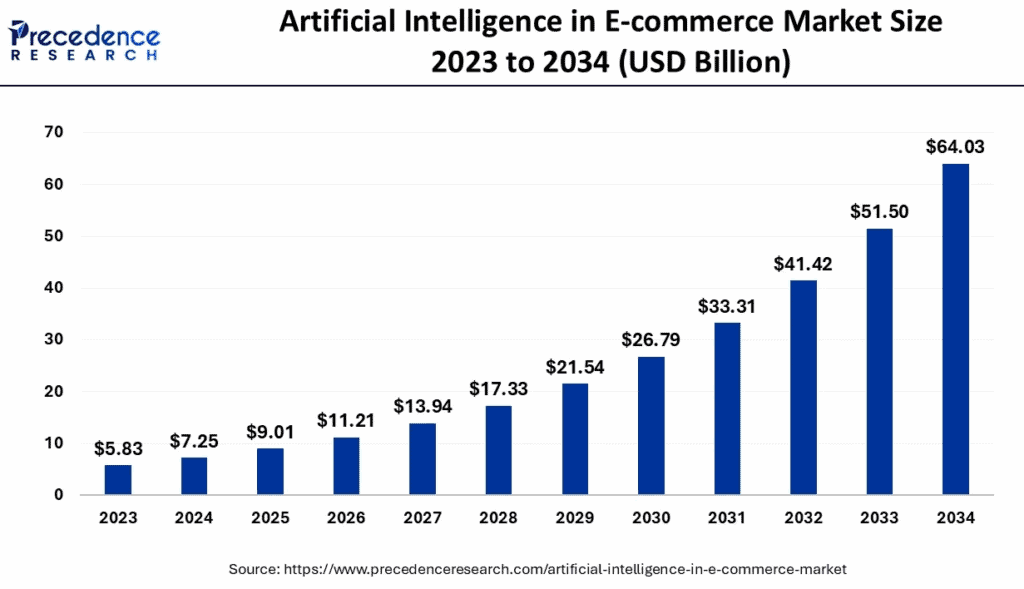
Do you know why that's great news?
It's because businesses are eager to implement AI, which means you can help them create AI-based personalized ecommerce experiences.
For example, you can pitch a clothing brand the idea of implementing an AI-powered shopping cart experience that shows customers how specific outfits will look on them.
High adoption
A 2021 benchmark report revealed that personalization is beneficial for business, as a poor shopping experience turns off 91% of shoppers.
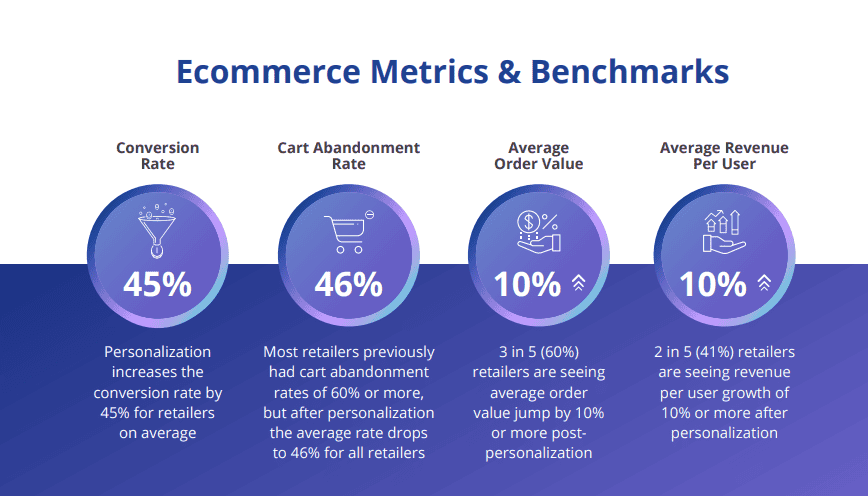
As a result, an increasing number of brands are seeking to hire individuals who can assist them in utilizing personalization tools and strategies.
This high adoption means you can become an invaluable strategy and implementation partner for these businesses.
Cons
Data access roadblocks
Ecommerce personalization is a data-driven field.
Unfortunately, getting, analyzing, and then turning this data into real-world strategies won't be easy because ecommerce brands rarely share internal data with third parties.
Privacy concerns
Even though customers love to buy from brands that personalize the shopping experience, privacy is always a concern.
Striking a balance between data privacy and a personalized shopping experience can be a challenging and complex task.
5. Content repurposing services
Between creating new, updating old, and repurposing existing content, which do you think generates more engagement, leads, and conversions?
Did you guess content repurposing?
If you did, you're right!
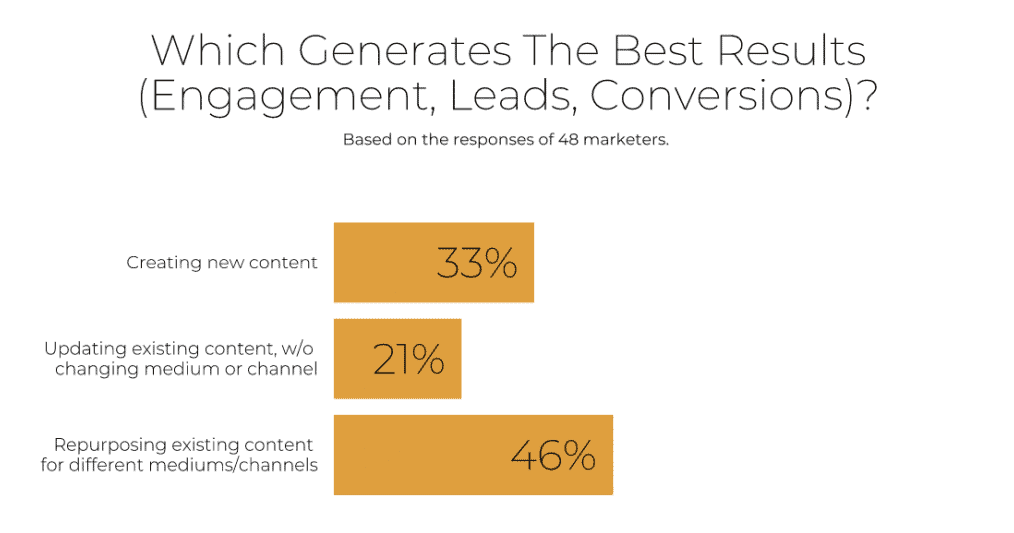
This is one of the most beginner-friendly drop servicing business ideas you can start in 2026 because you don't even have to create new content.
You only need to identify businesses struggling to produce content at scale and then offer to transform their existing content into multiple formats for various platforms.
Pros
Low-hanging repurposing opportunities
Since we can repurpose a single piece of content into multiple types of content, this business idea offers endless opportunities.
For example, you can offer to repurpose blog posts into social media content, email newsletters, videos, etc.

And guess what?
Because businesses now understand the effectiveness of content repurposing, you won't struggle to find clients (assuming you have a spot-on portfolio and marketing plan).
Beginner-friendly
Of all the drop servicing business ideas on this list, this is perhaps the easiest to get started with.
You only need a convincing portfolio, a list of prospects, a sound marketing plan, and the ability to convince marketing managers to trust you to repurpose their content.
When it comes to finding clients, gig platforms like Guru, Upwork, Fiverr, and others, as well as your favorite brands, are a good starting point.
Future growth
According to Allied Market Research, the content marketing industry was worth $413 billion in 2022 but will expand to $2 trillion in the next ten years.
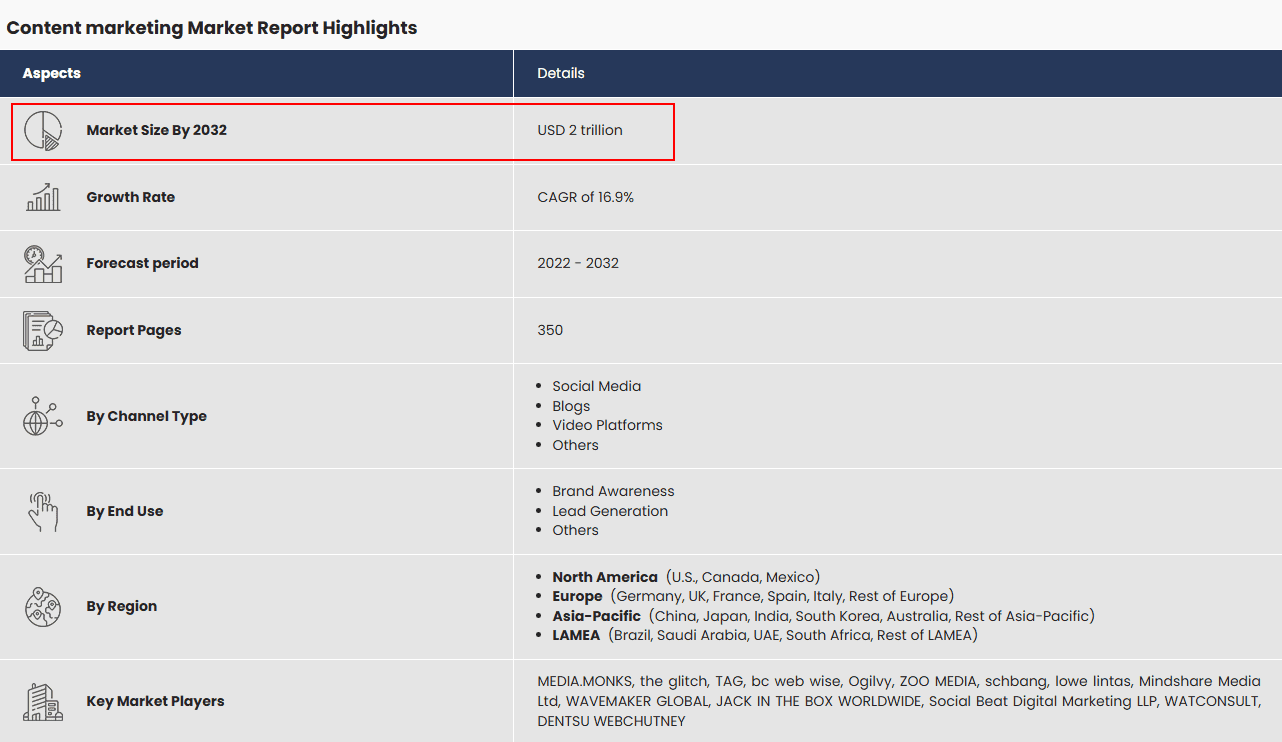
This projected growth is good news because it means a well-marketed content repurposing drop servicing business could have a steady client base for years.
Cons
Quality control difficulties
Although your service providers won't create content from scratch, quality control will remain an ongoing challenge due to the different approaches.
For instance, while one service provider might manually summarize an article into multiple content types, another may choose to use AI.
Both approaches lead to repurposed content, but the quality will differ significantly.
Inconsistent or poor repurposing results may cause reputational damage and lower revenue.

All that said, a multi-step, clear quality control plan can help you overcome this challenge.
Fierce competition
Since this service example is so beginner-friendly, expect fierce competition and low profit margins as service providers try to outbid each other.
Unfortunately, that's not your only competition. You'll also be competing against AI, as marketing managers can easily use AI to repurpose existing content.
Highlighting your unique selling point is the best way to stand out, win, and retain clients.
6. Video editing for content creators
PwC's 2025-2029 Global Entertainment & Media Outlook report noted this:
Looking forward, we project that total E&M revenue will increase over the next five years at a compound annual growth rate (CAGR) of 3.7%, to reach US$3.5 trillion in 2029.
PwC's Global Entertainment & Media Outlook 2025-2029
This predicted growth indicates that video editing, a component of the broader E&M market, is an excellent drop servicing business idea.
Pros
High demand
According to the latest social media statistics from Exploding Topics, the average user spends 25+ hours on TikTok and YouTube per month.
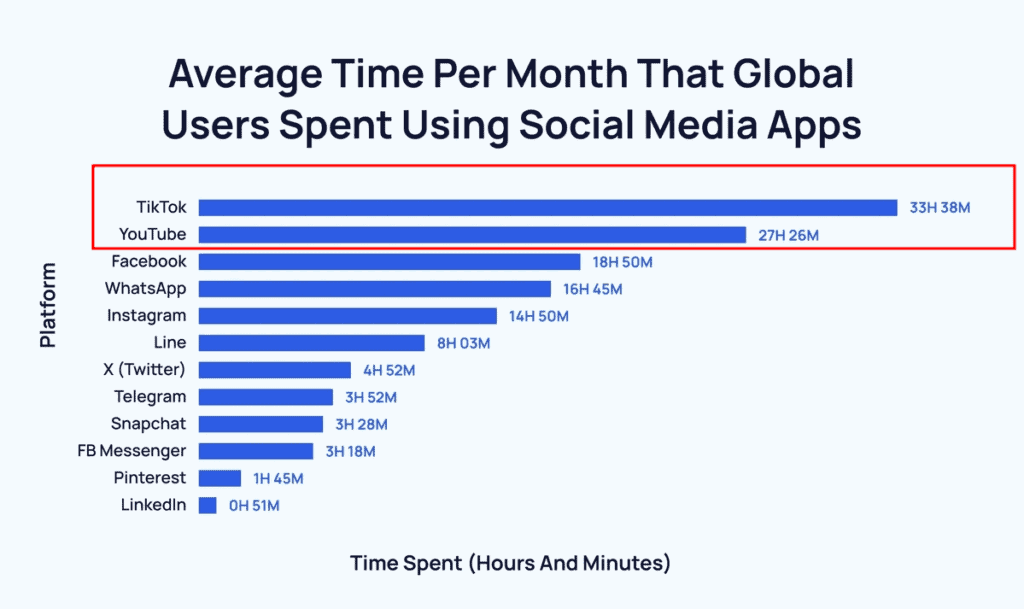
This proves that video content is dominating social media.
And guess what?
Video creators and marketers are aware that they need to consistently publish video content to maintain and grow their following.
Solo creators and small businesses often struggle to consistently create and publish video content.
This has made video creation and editing an in-demand skill!
Steady, future growth
PwC's E&M report noted that the industry is expected to grow at a steady 3.7% annually between now and 2029.
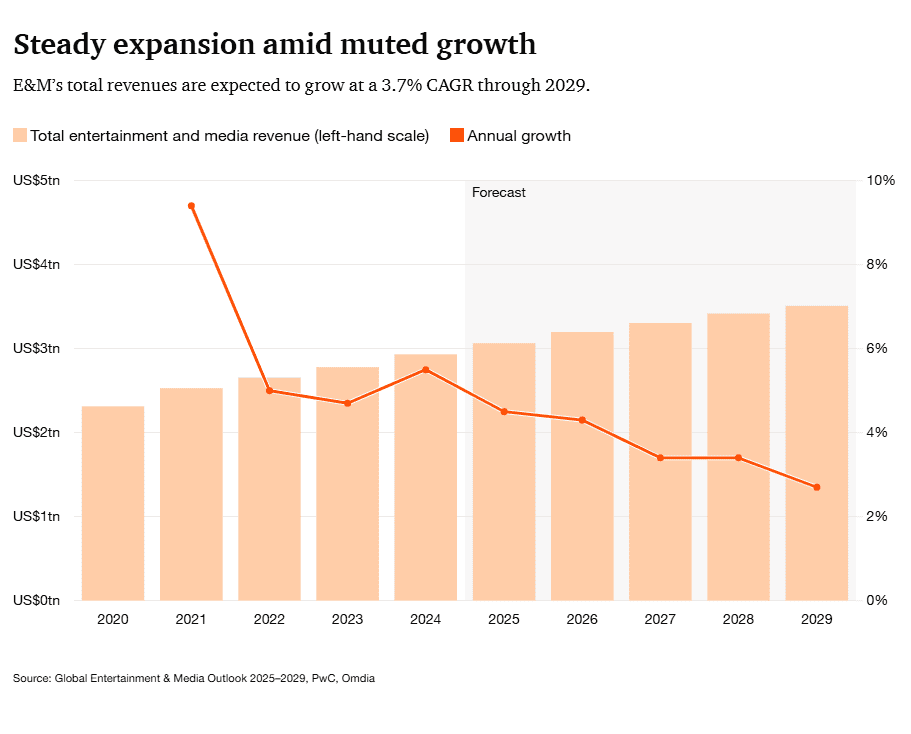
Since videos are a subset of this market, we can assume that the niche will also experience similar or higher growth rates, which will create more demand for video editors.
Additionally, businesses have realized that videos tend to increase conversions by up to 80%. (Source)
This realization has increased demand for video creators and editors who know how to create viral video marketing content.
The potential for good profit margins
Although hourly video editing rates vary, they typically start at $20 for beginners and can range up to $150 or more for expert editors. (Source)
To generate the most revenue from this service business, create a portfolio that positions your business as the go-to source for expert-level video editing.
Then, find, train, and work with affordable beginner or intermediate-level video editors looking to establish themselves.
Cons
Cutthroat competition
Video editing tools like CapCut and AI video editing/generating platforms like Filmora have made video editing relatively easy and an attractive income avenue for many.
The influx of video editors, especially on Upwork, Fiverr, and similar gig economy marketplaces, has increased competition.
For instance, Fiverr currently has 13,000+ results for video editing services.
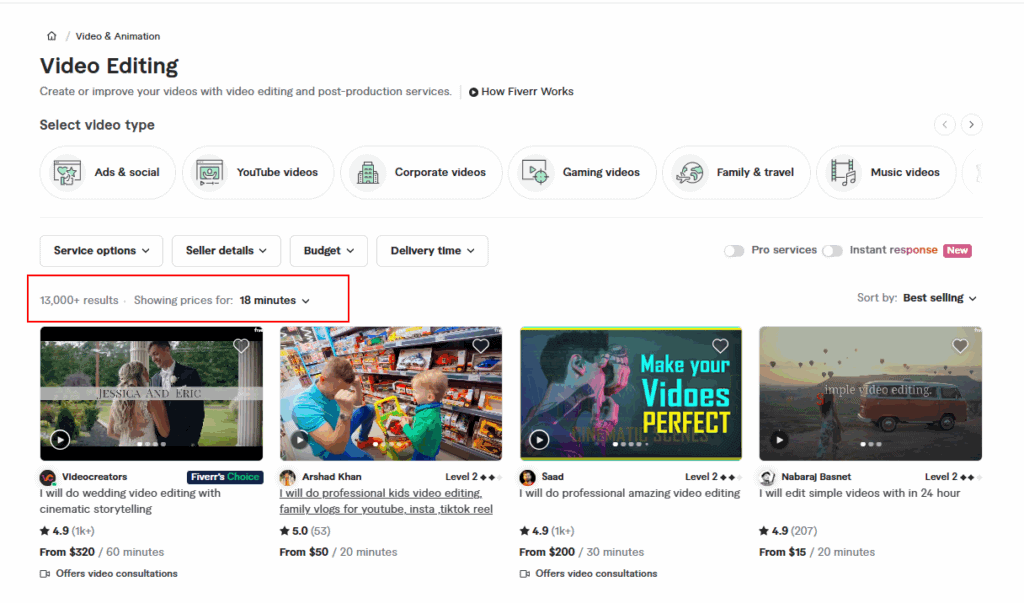
If you can't create a standout video editing portfolio, you'll sink to the bottom of the barrel.
Consistency/quality control challenges
The highest profit margins will come from marketing yourself as an expert-level editor while outsourcing the editing work to beginner and intermediate-level video editors.
Unfortunately, that also means you'll have to contend with inconsistent results and quality control challenges.
You can avoid this challenge by pre-vetting and pre-training freelance video editors and having a clear quality control, review, and revision process.
Category 3: Specialized drop service examples
The specialized ideas below are ideal for anyone eager to explore unconventional service business ideas.
7. 3D modeling, mapping, and rendering
The 3D mapping and modeling market is projected to have a $6 billion valuation in 2024, with projections indicating it'll reach $22 billion by 2032. (Source)
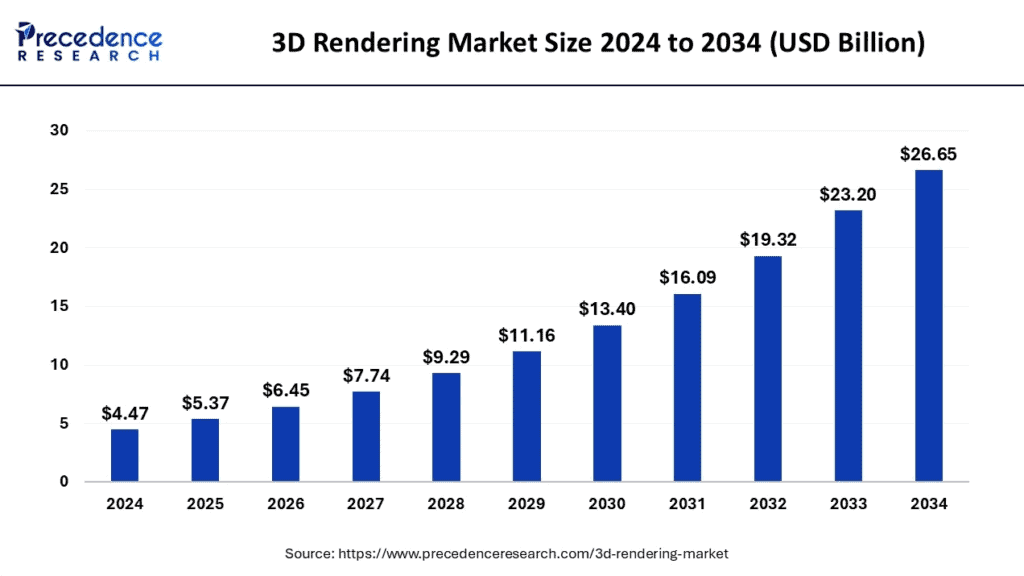
Precedence Research has valued the 3D rendering market at $4 billion in 2024, but it is projected to reach $26 billion by 2034.
Pros
An established and growing market
Fortune Business Insights predicts that the 3D mapping and modeling market will grow at an annual rate of 16.5% over the next ten years.
Similarly, Precedence Research expects the 3D rendering market to grow at an annual rate of 19.55% within the same period.
The valuations above demonstrate that 3D modeling, mapping, and rendering are a well-established market.
This current and rising demand is good news for drop servicing entrepreneurs looking to venture into this industry.
A big client pool
What do video games, architecture, ecommerce, animation, healthcare, real estate, fashion design, and product design have in common?
That's right: they all need 3D modeling, mapping, and rendering to visualize designs.
The best thing is that this business is not as saturated as some of the other drop serving business ideas on this list.
The potential for higher profit margins
3D modeling costs vary based on project scope and the artist's experience.
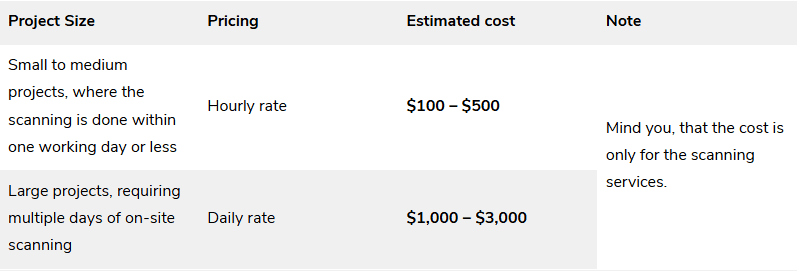
However, according to Cad Crowd, the hourly rate for small to medium-sized projects ranges from $100 to $500, while larger projects can have a daily rate of $1,000 to $3,000:
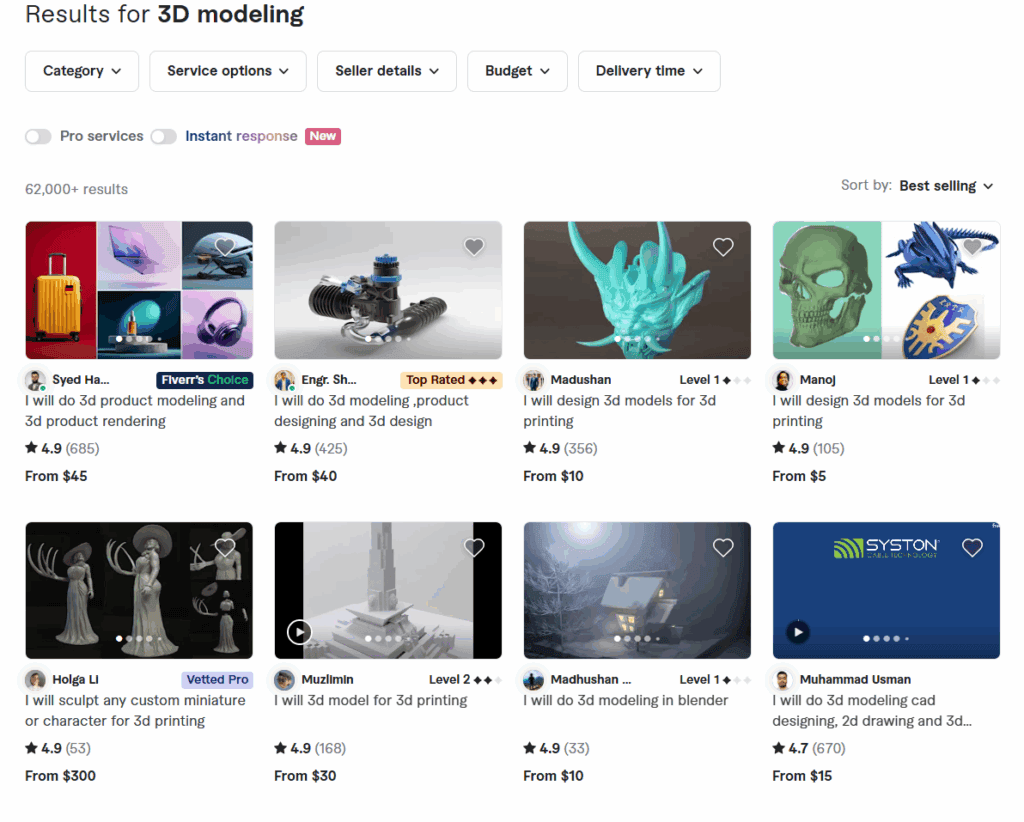
For comparison, Fiverr's bestselling gigs under 3D modeling start at $45, with a gig from a vetted pro starting at $300.
Hypothetically, you could find private clients and charge them $2,000 for a 3D modeling, mapping, or rendering project.
Then, you could outsource the project to a top-rated freelancer for a fraction of the project's cost, say $1,000.
Cons
High expectations
Clients willing to pay top rates for 3D modeling, mapping, and rendering services have very high expectations and are very particular about the deliverables.
Managing these expectations as a drop servicing business owner can be challenging.
You can manage expectations by:
- Creating a portfolio that gives clients a glimpse of the results they can expect.
- Pre-vetting 3D artists.
- Having a clear project roadmap, communication, workflow, delivery, and revisions plan.
- Delivering results that wow clients.
Software dependency/longer turnaround times
3D modeling, mapping, and rendering are software-dependent fields. For example, clients may expect you to deliver renders compatible with Maya, Blender, or Cinema 4D.
The fact that freelance 3D artists use different software stacks can add to the complexity, but you can reduce that by having a clear project roadmap.
Moreover, it's a well-established fact that 3D modeling, mapping, and rendering are involved tasks that can sometimes have long project timelines.
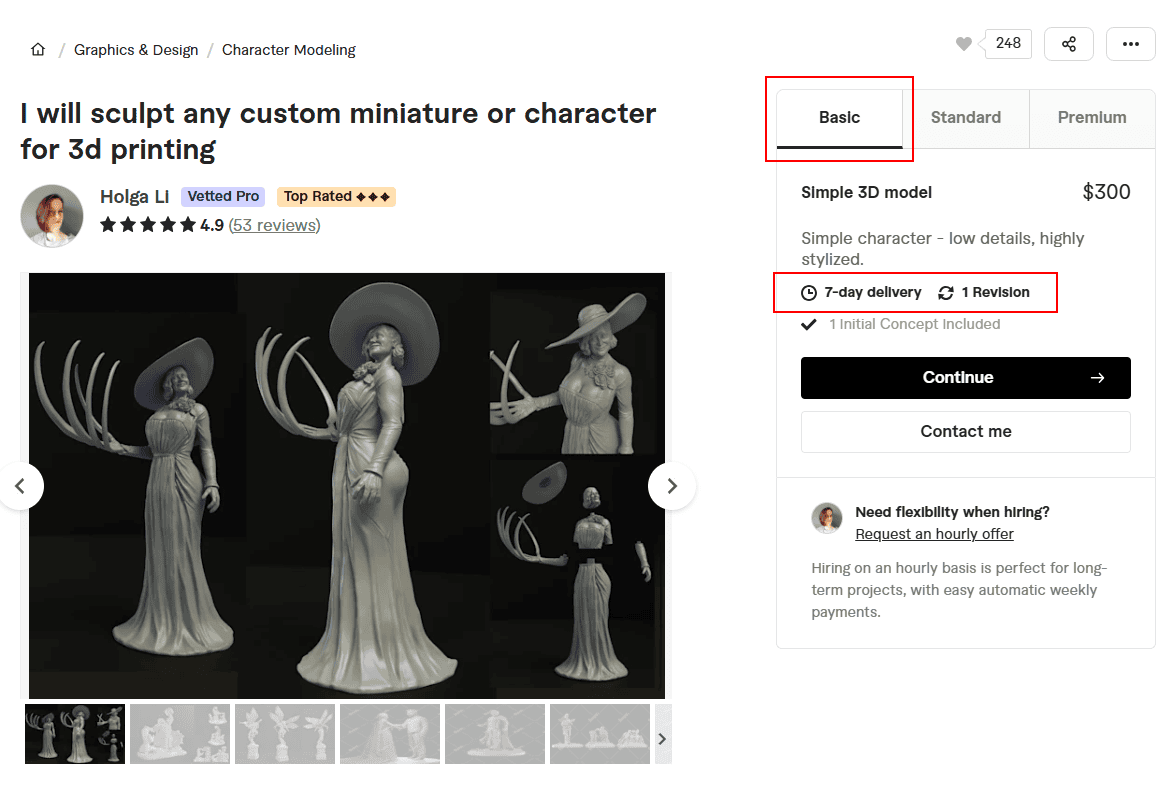
For instance, a vetted and top-rated Fiverr pro can deliver a basic 3D model in 7 days, while a premium model can take 21 days to create:
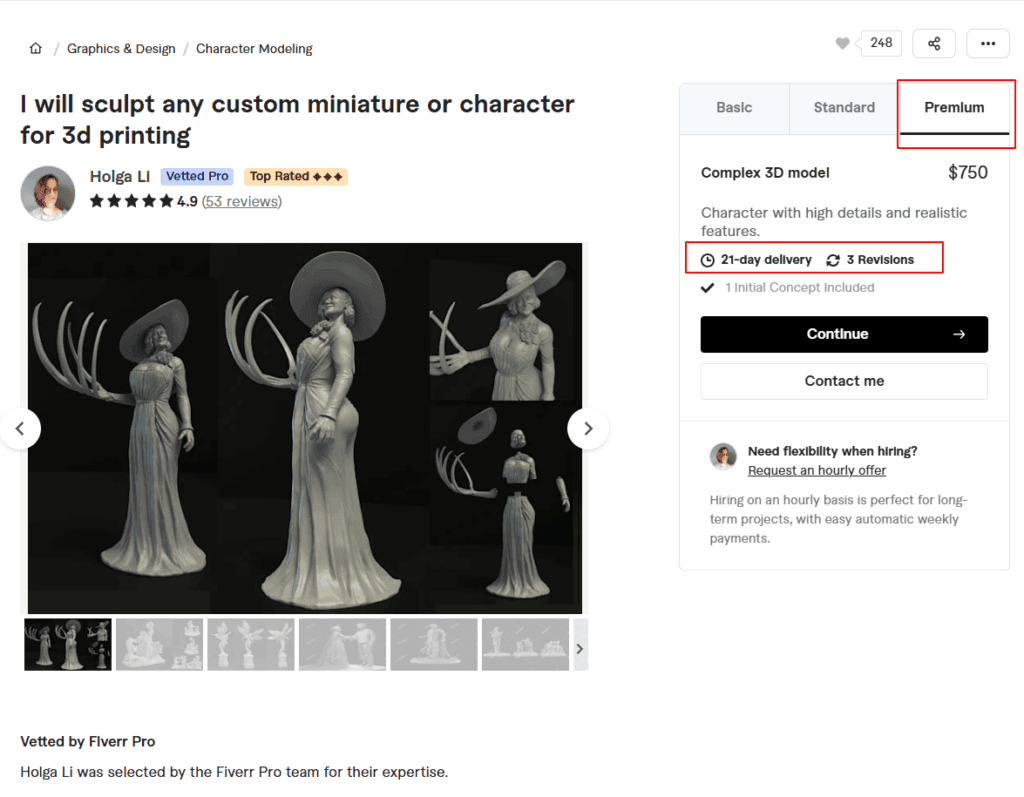
While longer project timelines are not inherently bad, they can add to the complexity of this business, especially when working with private clients and complex projects.
8. Conversion rate optimization (CRO)

Modern businesses recognize that year-over-year revenue growth is closely tied to personalization and optimization.
That's where you come in!
As a drop servicing CRO partner, your role is to analyze, test, and optimize performance across the customer journey, ultimately converting more traffic into sales.
Pros
Numerous opportunities
You can offer this service to Shopify and ecommerce stores, SaaS companies, service businesses, and digital product businesses, to name but a few.
You can also narrow down your offerings to specific services, such as sales funnels, email flows, landing pages, copy tweaks, or checkout experience optimizations.
High revenue potential
Think of an ecommerce store that averages a conversion rate of 2% from 100,000 unique monthly visits. That's 2,000 monthly conversions.
Now think about this:
If you can optimize that store's assets and increase its conversion rate to 3%, that's 3,000 monthly conversions, a 50% increase from the same traffic.

Wouldn't the store owner willingly pay you handsomely for such results? They would, and therein lies the high revenue potential.
Profit-sharing possibilities
In some instances, businesses hire CRO professionals on a performance-based pricing model.
In other words, instead of paying a retainer or flat fee for CRO services, the business agrees to pay a percentage of the sales generated as a result of the optimization process.
This could be a goldmine.
In our earlier example, taking 10-30% of the revenue generated by the additional 1,000 monthly conversions can amount to thousands of dollars in your pockets each month.
Cons
Client education gaps
Not many small business owners and startup founders understand why their profit-making business may need conversion rate optimization.
This education gap often complicates the process of finding clients.
Publishing client education content and adding detailed case studies to your portfolio, especially those that clearly highlight achieved revenue results, can help.

Access objections/hindrances
CRO relies on data.
Unfortunately, many small business owners, especially those who've never outsourced business tasks, may be reluctant to share access to critical CRO data and platforms.
In a world where hacking and scamming are all too common, the fear of losing a business to a scammer posing as a service provider is not unfounded.
You can help clients overcome these objections by ensuring your portfolio includes social trust signals, such as reviews from legitimate business owners.
Also publish verifiable case studies, client education content, workflow process, and guidelines on the access you need and why.
9. Virtual tours
A report from Polaris Market Research valued the global virtual tour market at $301 million in 2021.
It also predicted that the market would expand at a rate of 14.4% annually between 2021 and 2030.

This projected growth should convince you to start a virtual tour service business.
Pros
Tons of potential clients
You can create virtual tour experiences for businesses in various industries, including real estate, galleries and museums, retail stores, hotels and resorts, universities and colleges, and many others.
High demand
Virtual tour services are in high demand, particularly in the real estate, hospitality, and other industries, where customers rely on high-quality virtual tours to inform their purchasing decisions.
A well-positioned virtual tour service business can capitalize on this demand.
Software-use acceptance
Creating 3D virtual tours from scratch by stitching together audio, video, and images is time-consuming work that can take days, weeks, or even months.
This complexity has led to the widespread adoption of virtual tour software tools.
For context, the virtual tour software market is projected to reach $1,156 million by 2032, up from $434 million in 2024.
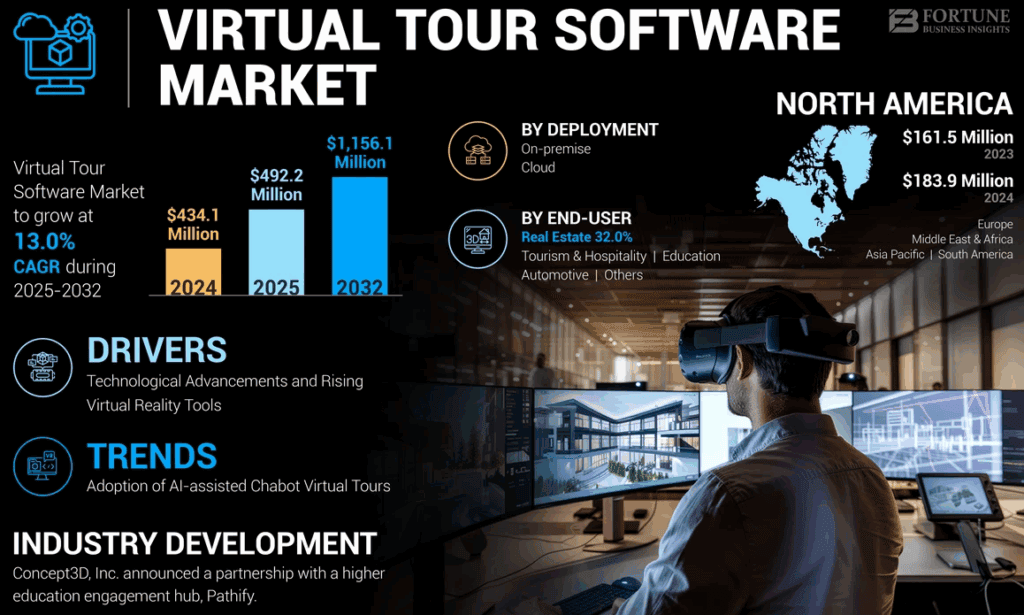
This mass acceptance is beneficial for your business because most clients seeking this service will have specific guidelines on the software tool they'd like you to use.
Cons
Scalability challenges
This service business isn't scalable without a large network of local partners.
Look at it this way:
If an LA-based real estate firm wants a 3D virtual tour of an apartment complex, but you're not LA-based, you'll need to subcontract the shooting to a local partner.
Unfortunately, building a network of skilled local partners who possess the right equipment (such as high-end cameras, mapping equipment, and drones) is challenging.
This complexity makes scaling this business difficult, but not impossible.
Unrealistic client expectations
Some clients will expect you to shoot and deliver high-quality virtual tours within 24 hours.
Others will choose your lowest package, but expect you to deliver virtual tours with premium add-ons, such as drone footage, voiceovers, 3D floor plans, and interactive scenes.
Others will expect you to host their virtual tours forever at no extra cost.
Managing clients' expectations will be a continuous challenge in your virtual tour drop servicing business.
Turn this guide into an AI checklist
Click your favorite AI tool below to get a short summary and step-by-step checklist based on this article.Prefer ChatGPT? Open this guide in ChatGPT with a pre-filled prompt (most readers start here).
Summary
Before we go, we've created a quick summary of this article for you, so you can easily remember it:
- The drop servicing business model is attractive due to its low startup costs and minimal entry barrier.
- Creating a portfolio is the first and most important step to starting a drop servicing business.
- Regardless of the service arbitrage business you start, ensure your portfolio includes case studies, sample projects, service pages, contact information, and other key pages.
- You can use Fiverr, Upwork, Guru, and other gig platforms to find clients and service providers.
- Don't overrely on gig platforms; instead, target private businesses and clients, and build a network of pre-vetted service providers.
Conclusion
There you have it: nine service business ideas you can try!
Now the ball is in your court!
Which of these drop servicing businesses will you try? Let's talk about it in the comments section.
If you have questions about drop servicing or any of these nine service businesses, leave them in the comment section. We read all comments and answer all questions.
Want to learn more about drop servicing?
Want to learn more about drop servicing? Check out the articles below: