

Trying to decide between dropshipping and warehousing for your online store?
You're not alone!
These are two of the most popular methods for handling order fulfillment, but they work in completely different ways.
The right choice really depends on how you want to run your business.
Quick Answer: What is the difference between dropshipping and warehousing?
The main difference is that with dropshipping, you don't hold any inventory. You only buy from a supplier after someone places an order. With warehousing, you purchase products ahead of time, store them either yourself or with a fulfillment partner, and ship them out as orders arrive.
In this guide, we'll walk you through how dropshipping and warehousing actually work, break down the pros and cons of each, examine the costs involved, and help you determine which one best fits your business.
Overview: Dropshipping vs. Warehousing
Before we get into the details, let's take a quick moment to understand how these two fulfillment models differ.
Dropshipping is a pretty hands-off model where you sell products without holding any inventory. When someone places an order, your supplier ships the item straight to the customer. You don't need to worry about storing, packing, or shipping anything yourself.

Warehousing works the other way around. You buy products upfront and store them in a warehouse, whether that's your own space or a third-party service.
When orders are received, the products are shipped from that location to your customers.
Both of these fulfillment methods have their pros and cons, and here is an overview of them:
| Pros of dropshipping | Cons of dropshipping | Pros of warehousing | Cons of warehousing |
| Low startup cost | A less reliable option for scaling | More control over shipping and branding | Higher upfront investment |
| No need to store inventory | Limited product quality control | Faster shipping options | Requires inventory management |
| Easy to test many products quickly | Longer delivery times | More consistent customer experience | Risk of unsold stock |
| Minimal overhead | Reliance on supplier availability | Potential for bulk pricing | More complex logistics |
Next, let's take a closer look at how each model actually works in practice. We'll start with dropshipping.
What is dropshipping?
Dropshipping is a method of selling products online without handling the inventory yourself.
Instead of buying products upfront and storing them, you team up with a supplier who keeps the stock for you. When someone places an order on your website, the supplier ships the product directly to your customer.
That means you don't have to deal with packing boxes or managing a warehouse.
Your main job is to run the online store, promote your products, and take care of customer service. The rest is handled behind the scenes.

How dropshipping works
Here's a simple look at how the dropshipping process works:
- You add products from a supplier's catalog to your store.
- A customer places an order and pays you the retail price.
- You forward the order and pay your supplier the wholesale price
- The supplier ships the product directly to your customer
Your profit comes from the difference between what the customer pays and what you pay the supplier.
What is warehousing?
Warehousing, aka the traditional fulfillment, is when you buy products ahead of time and store them in a physical location until they're sold.
That storage space could be your own garage, a rented facility, or a third-party logistics provider (also known as a 3PL).
Once an order comes in, the product is picked, packed, and shipped from the warehouse to the customer.
In this setup, you're responsible for maintaining accurate inventory records and ensuring that your stock levels are up to date.
Tip: Not sure what a 3PL is? Check out our article Dropshipping vs. 3PL: What Is the Difference? (Pros & Cons)
How warehousing works
Here's how the process usually looks:
- You order products from a manufacturer or wholesaler in bulk.
- The inventory is delivered to your warehouse or fulfillment center.
- You receive orders through your online store.
- Your team or your 3PL packs and ships the order to the customer
Since you own the products, you have more control over aspects such as packaging, branding, and delivery speed.
The pros and cons of dropshipping vs. warehousing
Each fulfillment model has its trade-offs. Knowing what each one offers can help you choose the right fit for your business.
Pros of dropshipping (or cons of warehousing)
Let's start with the pros of dropshipping, which are also the cons of warehousing.
1. Quick and simple to launch
Starting a dropshipping store is a straightforward and hassle-free process. You pick a niche, connect with a supplier (DSers or Spocket), and add products to your site.
You don't need to worry about setting up a warehouse, organizing shelves, or hiring staff to handle shipments.

Compare that to warehousing, where you'd have to secure physical space, purchase inventory in bulk, and establish processes for receiving, sorting, and tracking products, even before making your first sale.
2. No upfront inventory costs
You only pay for products after a customer places an order. That means you're not sinking thousands of dollars into stock that may or may not sell.
On the other hand, warehousing often requires placing bulk orders just to get started.
If a supplier has a minimum order quantity of 100 units, you'll need to buy and ship all 100 to your warehouse before you can sell a single item.
If the product doesn't perform, you're stuck with unsold stock and tied-up capital.
Dropshipping suppliers usually do not have minimum order requirements.
3. Lower ongoing expenses
One of the biggest advantages of dropshipping is that your monthly costs stay relatively low.
You're primarily paying for essentials, such as your ecommerce platform (e.g., Shopify or WooCommerce), a few apps or plugins, and your marketing budget. That's it!
No warehouse rent, no shipping staff, and no storage fees eating into your margin.
If you're curious about the exact breakdown, we've actually put together a full guide on it: How Much Does It Cost to Start Dropshipping in 2026.

To give you a real-world example, Red Stag Fulfillment, a 3PL partner, lists pricing like $13.25 per pallet per month for storage, $2.00 per order for picking and packing the first item, and $0.30 for each additional item.
They also have a minimum monthly charge of $500. That means you're expected to generate enough volume just to cover your base costs, regardless of whether your products are selling.
These fixed costs can be hard to manage for small or seasonal businesses.
4. You can test products quickly
Trying out a new product? You don't have to commit to buying it in bulk. Just add it to your store, run a few ads, and see how it performs.
If it doesn't sell well, you can remove it just as easily without worrying about leftover stock.
In a warehousing setup, adding a new product means buying it in bulk, shipping it to your storage location, and updating your fulfillment process-all before you even know if it will sell.
5. Flexible and low maintenance
You're not tied to a location with dropshipping!
You can run your store from a laptop anywhere with Wi-Fi, which is a huge plus for digital nomads or anyone who doesn't want to be tethered to a place.
Even with a 3PL, warehousing still requires more time spent on coordinating restocks, managing logistics, and addressing fulfillment issues.
6. Easier to pivot or shut down
If something isn't working, it's easier to adjust or even walk away. You don't have to worry about clearing out inventory.
Warehousing, on the other hand, involves longer-term commitments. Ending a business could mean selling off unsold goods at a loss, paying early lease termination fees, or negotiating with 3PLs to offload your items.
7. No warehousing headaches
You won't need to deal with warehouse regulations, safety codes, or staffing requirements with dropshipping.
That's one less layer of complexity to worry about!
Cons of dropshipping (or pros of warehousing)
Now let's flip the coin and talk about some of the downsides of dropshipping. These are also the areas where warehousing gives you a clear advantage.
1. Less control over fulfillment
When you dropship, the supplier is responsible for everything after the sale: picking, packing, and shipping.
That might sound convenient, but it also means you're giving up control over how your brand is represented.
You don't get to oversee how orders are packed or when they're shipped, and any mistakes made by the supplier are your problem to fix.

With warehousing, especially if you're using your own space or a 3PL partner, you can control how your products are packed, what goes in the box, and how quickly orders are fulfilled.
That consistency becomes critical as your brand grows.
2. Shipping can be slow
Many dropshipping suppliers, particularly those based in China, offer shipping options that can take anywhere from 7 to 30 days, depending on the destination.
While some services like CJdropshipping offer faster lines (7-14 days globally), it's still nowhere near the 2-day delivery many customers expect (thanks to Amazon!).

With warehousing, especially through a local 3PL, you can often offer two-day or even same-day shipping in certain regions.
This can make a huge difference in customer satisfaction and conversions!
3. You can't always guarantee quality
Since you don't physically handle the products, you're relying entirely on your supplier's quality standards.
If a customer receives something defective, broken, or completely different from what they ordered, you may not even find out until they leave a negative review or request a refund.
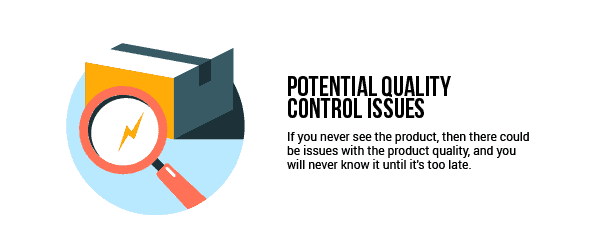
With warehousing, you (or your fulfilment partner) can inspect inventory before it's sent out. Some 3PLs even offer quality checks during receiving, helping you catch defects early and avoid unhappy customers.
4. Lower margins
You're often buying one item at a time, so the per-unit cost is higher.
That means your margins are thinner, especially after factoring in ad costs and transaction fees. It's difficult to compete on price while maintaining healthy profits.

When you warehouse products or use a 3PL, you can buy in bulk and negotiate wholesale pricing.
You also save on per-order fulfillment costs, which helps improve your bottom line as your order volume grows.
5. Shipping can get complicated with multiple suppliers
When a customer orders two or three products from your store, there's a good chance those items are coming from different suppliers.
That means separate shipments, different delivery times, and multiple shipping fees.
Now, you can't exactly ask your customer to pay for three different shipping charges on one order. Most shoppers expect one flat shipping fee, or even free shipping.
So, guess who ends up covering the extra costs? Yep, you do. And that can start eating into your profit margins pretty quickly.
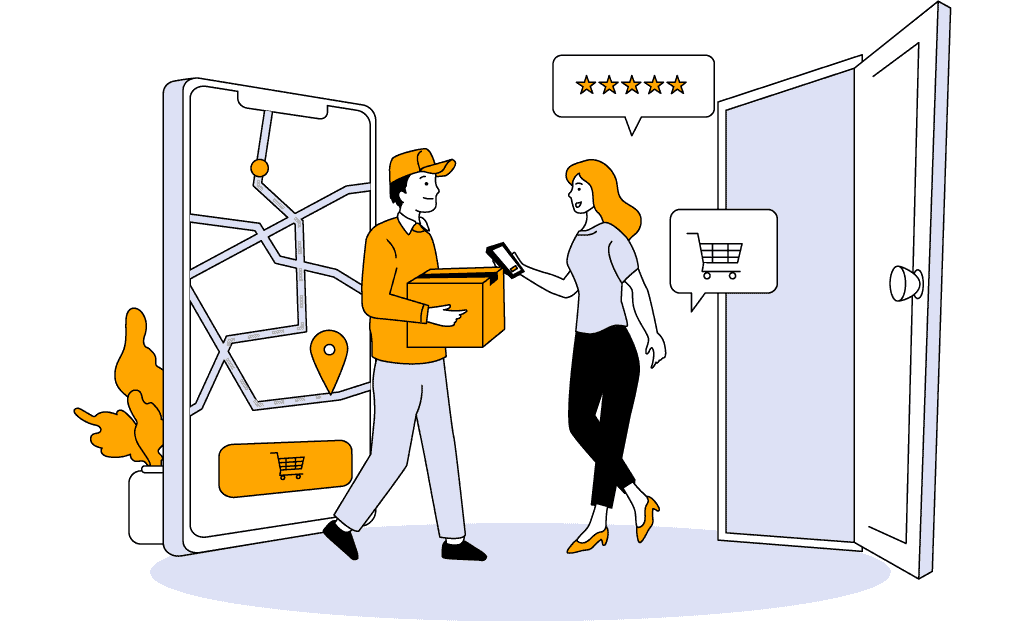
With warehousing, this isn't an issue. All your products are stored in one place, so everything gets packed into a single box and shipped together.
It's cheaper, faster, and feels a lot more professional from the customer's perspective!
6. Harder to build long-term partnerships
When you're dropshipping, the relationship with your supplier is usually pretty transactional.
Most people source products from places like AliExpress, where you might never speak directly with the supplier. And if something goes wrong, getting support can be a headache.
On the flip side, warehousing opens the door to more solid, long-term partnerships.
Whether you're working with a 3PL or running your own setup, you're in regular contact with the people handling your inventory.
Ongoing communication makes it easier to collaborate, solve problems quickly, and continually improve your operations.
It's more of a partnership than a one-off arrangement.
7. Payment processing headaches
Some payment processors view dropshipping as somewhat risky, primarily due to issues such as delayed shipping, inconsistent tracking, or higher refund rates.
That can lead to account holds, delayed payouts, or extra verification steps from platforms like Stripe or PayPal.

But if you're using warehousing or a 3PL, it's a different story!
Payment providers tend to feel more confident when you've got fast, reliable shipping and a solid fulfillment process in place.
8. Scaling your customer experience is tough
As your dropshipping store grows, it becomes increasingly challenging to keep everything running smoothly.
One customer might get their order in a week, while another waits a month. Some packages might include tracking, while others don't.
Over time, these inconsistencies can harm your brand and lead to an increase in support requests.
Orders are fulfilled quickly, branding remains consistent, and customers know what to expect.
That kind of reliability is key if you're aiming to build a long-term brand, not just ride the latest trend.
Cost comparison: Dropshipping vs. warehousing
Let's talk about money. One of the biggest differences between dropshipping and warehousing is the cost of getting started and maintaining operations.
Here's a simple side-by-side look at the typical costs:
| Cost Type | Dropshipping | Warehousing |
| Buying inventory | $0. No upfront purchase. You pay only when someone orders (e.g. $10/item). | $500-$5,000+ upfront, depending on product and volume |
| Storage fees | $0 | $12-$100+ per pallet/month (varies by provider and volume) |
| Fulfillment fees | $0. Included in product price | $2-$5 per order (pick-and-pack), plus possible receiving fees. |
| Shipping | $0 on paper (passed to customer), but you may have to cover extra fees if an order includes items from multiple suppliers | $4-$15 per order. Faster, more reliable, and shipped from one location, even if the order contains multiple items. |
| Custom packaging | Usually not available | $0.50-$2 per order (optional) |
| Apps and software | $30-$200/month for Shopify, DSers, or similar tools. | $50-$200/month (includes inventory and warehouse software) |
| Returns | Depends on the supplier. Not always easy to manage. | Easier to manage, may cost $2-$5 per return plus reshelving fees |
| Minimum order quantity | None | Often 100+ units per SKU (varies by manufacturer) |
Which business model is right for you: dropshipping vs. warehousing?

You've seen how each model works, the pros and cons, and the typical costs.
Now let's figure out which one actually fits your business:
Dropshipping might be a good fit if:
- You don't want to spend a lot up front to get started
- You're looking to keep overhead costs as low as possible.
- You prefer not to deal with buying, storing, or managing inventory.
- You want the freedom to test lots of different products quickly
- You're okay with giving up some control over shipping and packaging for the sake of convenience.
Warehousing might be a better option if:
- You're already making consistent sales and are ready to scale.
- You want faster, more reliable shipping for your customers.
- You're ready to invest in inventory to improve customer satisfaction.
- You want full control over your packaging, branding, and delivery experience.
- You're focused on building a strong, long-term brand.
Not sure where to begin? Start small.
Start with dropshipping. It's low-risk, flexible, and a great way to learn the ropes without spending a ton of money.
Once you've found some winning products and you're seeing regular sales, you can slowly shift toward warehousing.
Some suppliers also make this transition easier.
For example, you could start by shipping products from a supplier's overseas warehouse.
And when your order volume increases, you can transfer your inventory to one of their local warehouses for faster delivery.
That way, you're keeping your costs low in the beginning while still setting yourself up to grow and scale when the time is right!
Compare other business models
Not sure yet if dropshipping or 3PL is the right fit for you? Check out our other comparison articles below:
- Dropshipping vs. Blogging
- Dropshipping vs. Drop Servicing
- Dropshipping vs. Affiliate Marketing
- Dropshipping vs. Print On Demand
- Dropshipping vs. Private Labeling
Turn this guide into an AI checklist
Click your favorite AI tool below to get a short summary and step-by-step checklist based on this article.Prefer ChatGPT? Open this guide in ChatGPT with a pre-filled prompt (most readers start here).
Summary
Before we go, we've created a quick summary of this article for you, so you can easily remember it:
- Dropshipping is a fulfillment model where you sell products online without keeping any inventory. Your supplier handles storage, packing, and shipping after each order.
- Warehousing involves buying products in advance and storing them in your own space or with a fulfillment partner. You manage inventory and oversee the entire shipping process.
- The main difference is that dropshipping has lower startup costs and less overhead, while warehousing gives you more control over branding, fulfillment speed, and the customer experience.
- Dropshipping might be the right fit for you if you're just getting started, want to keep things simple, or are testing out different products.
- Warehousing could be a better choice if you're ready to scale, want faster and more reliable shipping, or need full control over packaging and inventory.
Final thoughts
That's a wrap on our comparison between dropshipping and warehousing!
If you're looking for an easy way to launch your store with minimal risk, dropshipping is a great starting point.
However, as your business grows and your goals evolve, warehousing may be the more effective long-term approach.
It gives you more control over shipping, branding, and customer experience, and, of course, the potential for better margins.
Did we miss anything important? Let us know! We'd love to hear your thoughts.
Good luck with your ecommerce journey!
Want to learn more about dropshipping?
Ready to move your dropshipping store to the next level? Check out the articles below:
- What Is Similar to Dropshipping? (8 Alternatives to Try)
- 30 Best TikTok Products You Can Start Dropshipping Today
- General vs. Niche vs. One-Product Dropshipping Store in 2026
Plus, don't forget to check out our in-depth guide on how to start dropshipping here!


