When you first start dropshipping, it's easy to focus on the fun parts: picking products, designing your store, and running ads.
It all feels pretty hands-off.
After your store goes live, you quickly realize the product itself plays a much bigger role than expected. Quality, safety, and customer experience matter more than the listing or the ad.
The good news is that dropshipping becomes much smoother once you understand how product liability works and choose products with intention.
That's exactly what this guide will walk you through!
Disclaimer: We are not lawyers, and this post should not be considered legal advice. You should seek appropriate counsel for your own situation.
What is 'Product Liability'?
Product liability essentially means that if you sell a product and it causes harm to someone or damages property, you may be held legally responsible.
And yes, this applies even if you didn't make the product and you never touched it, which is the case in most dropshipping setups.
Think of it like this: when a customer buys from your store, you are the business they trust.
They don't care who your supplier is. They don't know where the warehouse is. They don't even think about the manufacturer.
In their mind, you sold it to them.
So if something goes wrong, you are the one they come back to. And legally, that actually makes sense.
Product liability usually comes into play when:
- A product is faulty or poorly made
- A product causes physical harm (e.g., burns, allergic reactions, injuries)
- A product damages someone's property (e.g., a faulty charger frying a laptop)
- The product was advertised in a misleading way
- The customer wasn't given proper instructions or safety warnings
Here's a simple example:
If you sell a neck massager, and it overheats and burns someone's skin, you can be held legally responsible, even though the factory overseas technically made the mistake.
So, product liability isn't about who touched the product. It's about who sold it. And in online selling, including dropshipping, that's you.
What laws apply to product liability?

There are laws that decide who's responsible when something goes wrong. Let's break it down.
United States
In the US, it's the Consumer Product Safety Act (CPSA).
This law empowers the Consumer Product Safety Commission (CPSC) to regulate unsafe products, enforce recalls, and ensure that items are properly labeled and marketed honestly.
And depending on what you sell, such as anything for kids or products that come into contact with the body, other regulations may also apply.
European Union
In the EU, things are just as strict.
The General Product Safety Directive (GPSD) requires every product sold to be safe and properly labeled. Even as a dropshipper, you're treated as a 'distributor.'
Note: Please check the laws and regulations in the country you sell. Overall, most countries follow the same idea: if you sold it, you can be liable.
Where are the main legal risks for dropshippers?
When it comes to product liability, the biggest risks typically arise from the product's manufacturing process, marketing, and use.
As the seller, you're expected to ensure that all three are handled responsibly, even if the supplier is the one who produced the item.
Here's where dropshippers typically get into trouble (and where experienced sellers pay extra attention):
1. Selling products that are poorly made or unsafe

If a product has weak materials, bad wiring, cheap batteries, or unstable construction, it's more likely to cause accidents or damage.
Many low-cost suppliers work with multiple factories, resulting in varying quality from batch to batch.
That means the first batch may be fine, but the next batch could be totally different in quality.
A good example is a cheap phone charger that overheats and starts a fire.
This is why experienced dropshippers always:
- Order test samples
- Ask if the product comes from the same production line long-term
- Re-test products every few months
Tip: If a supplier says, 'We have many factories,' that's a red flag.
2. Making marketing claims that can't be proven
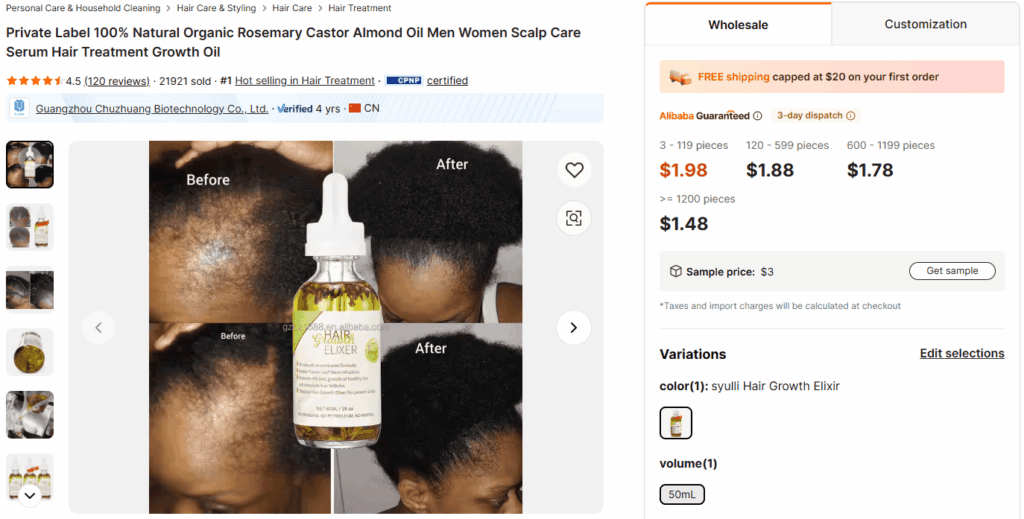
Your product descriptions matter, legally.
If you claim something heals, slims, repairs, strengthens, or guarantees results, you're making a promise that may be regulated or restricted.
Suppliers love adding phrases like:
- Medical grade
- Pain-relief guaranteed
- Clinically tested
- FDA approved (very often untrue)
Beginners often copy these phrases directly. Experienced sellers rewrite everything and never claim something they can't prove.
Even changing 'heals pain' to 'may help relieve discomfort' can be the difference between a complaint and a lawsuit.
3. Not providing instructions or safety warnings
If a customer uses a product incorrectly because there were no instructions, that can still be the seller's fault.
Some suppliers ship products with no manual at all. That leaves the responsibility on you to add your own.
A simple PDF, instruction section on your website, or a short 'how to use' email that's auto-sent after purchase helps protect you.
It takes 10 minutes and prevents a lot of issues.
4. Selling products that don't meet local safety standards
Different regions have different compliance rules. For example:
- Electronics may need CE or FCC certification
- Toys may need ASTM or EN71 approval
- Beauty products need ingredient documentation
- Supplements require a specific label and health claim wording
If you can't verify compliance, don't sell it, especially if you're a beginner.

If you're new to dropshipping, you probably don't sell obvious high-risk products (baby seats, medical devices, supplements).
But the real troublemakers are everyday items that seem safe, like:
- Heat-based beauty tools
- Resistance workout bands
- Kitchen tools with blades
- Pet harnesses and chew-proof toys
These don't look dangerous, but they're the ones that generate injury claims most often.
6. Ignoring defects or complaints when they start showing up
If multiple customers report the same issue and you continue to sell the product anyway, that constitutes negligence, which is a significantly more serious legal issue.
Watch for early warning signs:
- Two similar complaints
- Sudden spike in refunds
- A TikTok or Reddit post calling out your product flaw
So, when in doubt, stop selling and investigate.
Which product categories come with the highest liability risk?
Not all products carry the same level of legal risk.
If you're just starting out, it's wise to avoid these high-risk categories or approach them with caution, incorporating extra testing, documentation, and supplier verification.
Here are the product types that can create headaches fast:
1. Baby and children's products

Anything meant for infants or kids is heavily regulated, and rightfully so.
A small defect here can have serious consequences, and legal standards are strict.
Examples of high-risk items:
- Baby carriers, slings, and wraps
- Booster seats and high chairs
- Teething rings and chew toys
Alternative: Sell accessories for parents, rather than items used directly by babies, such as diaper bags, stroller organizers, and nursery décor.
2. Health, wellness, and supplements

Anything that claims to improve the body, treat pain, or change appearance is considered a 'claim-based product,' which can trigger legal scrutiny.
You must be able to prove any benefit you advertise.
Examples of high-risk items:
- Weight-loss or detox supplements
- Joint or muscle pain relief creams
- Sleep or relaxation gummies
Alternative: Focus on wellness accessories, like yoga mats, massagers, water bottles, or meditation pillows. These products support habits rather than promise medical results.
3. Beauty devices and skincare tools

Devices that heat, pulse, vibrate, or use LED/laser technology can easily cause burns, irritation, or damage if the quality is inconsistent.
Examples of high-risk items:
- Facial LED therapy masks
- At-home laser hair removal devices
- Heated curling or straightening tools
Alternative: Sell non-electronic beauty accessories such as satin pillowcases, cosmetic organizers, scalp brushes, or skincare travel bags. These are safe and still sell well.
4. Electronics (especially anything with a battery)

Low-quality batteries are unpredictable and can overheat or fail, leading to fire or property damage, which quickly becomes a liability issue.
Examples of high-risk items:
- Portable power banks
- Smart LED lamps
- Wireless earbuds or mini speakers
Alternative: Stick to electronics accessories that require no power source, like cable organizers, laptop stands, or phone grips.
5. Fitness and resistance equipment

Products that stretch, support weight, or create tension can suddenly snap or fail. When this happens, injuries are common, and the seller is often blamed.
Examples of high-risk items:
- Resistance bands
- Door-frame pull-up bars
- Adjustable dumbbells
Alternative: Sell fitness lifestyle products, such as gym bags, water bottles, sweat towels, shaker bottles, or workout journals.
6. Pet harnesses, restraint devices, and chew-proof toys
When a product hurts an animal, even accidentally, the emotional reaction from owners is strong (and rightly so), and disputes escalate quickly.
Examples of high-risk items:
- Anti-pull harnesses
- Shock or vibration training collars
- 'Indestructible' chew toys
Alternative: Offer non-safety-related pet accessories, like feeding mats, custom pet tags, bandanas, or pet portrait art.
The pattern is simple: The more a product interacts with the body, provides support, or relies on heat/pressure/batteries/chemical claims, the higher the liability risk.
If you're still building your store and systems, stick to low-risk products that don't require compliance testing or safety claims.
Tip: If you want to know more about which products to avoid selling, please feel free to check out our articles, '13 Products You Should Avoid Dropshipping | Be Careful!' and 'Top 10 Dropshipping Niches to Avoid as a Beginner in 2026.'
How can dropshippers reduce their product liability risk?
Start by keeping your product catalog small.
It's easier to monitor product quality, reviews, and customer feedback when you're selling five to 15 products rather than 100+.
If you need to check your own website to remember what a product does, you're managing too many SKUs.
Next, build real communication with your supplier. Don't just place orders, ask questions. For example:
- Is this product always made in the same factory?
- Can you notify me before any material or component changes?
Even a simple agreement like that helps prevent sudden quality drops.
Always order a sample before selling a product.
But don't just test whether it works, test how it fails. Pull it, twist it, drop it, stress it. If it breaks dangerously, don't sell it.
Then, ensure that your product pages are accurate and honest.
Avoid claims like 'eliminates pain' or 'guaranteed results.' Use language like 'may help' or 'can support.' Small wording shifts can be the difference between a happy customer and a legal complaint.
Also, fix your product images.
A significant number of product liability issues arise from customers interpreting photos differently than intended.
If the images make the product appear larger, sturdier, or higher-quality than it actually is, you're setting yourself up for disputes.
Include photos that show scale, what's actually included in the package, and how the product is used.
Finally, pay attention to your early reviews. If two people mention the same issue, treat it seriously.
Pause ads, investigate, message your supplier, and decide whether the product should be kept or removed.
Small, consistent quality decisions now prevent big problems later.
Can store disclaimers or terms and conditions protect you from liability?

Short answer: They help, but they don't protect you if someone gets hurt.
Many dropshippers believe they can add a line stating, 'We are not responsible for any damage or injury caused by this product,' and thereby become legally covered.
But consumer protection laws work differently.
If a product is unsafe, misleading, defective, or poorly described, a disclaimer doesn't cancel your responsibility.
Where policies do help is in setting expectations, not avoiding liability. For example, your terms and conditions can clarify:
- How returns work
- How long refunds take
- What counts as normal vs. improper use
Clear policies reduce confusion, which reduces complaints, and that's valuable.
But here's the key point most sellers miss: if your product causes harm, the customer's right to safety always outranks whatever your store policy says.
A judge will ignore your disclaimer if:
- The product was dangerous
- The marketing claims were misleading
- Safety instructions were unclear
- You ignored early complaints
Where disclaimers are useful is in framing language, like:
- 'Results may vary'
- 'This product should be used as directed'
- 'Consult a professional if unsure'
These statements don't remove liability; they reduce false assumptions. So, think of store policies as customer guidance, not legal armor.
Do you need product liability insurance as a dropshipper?

Let's talk about insurance in simple terms and not legal jargon.
A product liability insurance policy basically steps in to cover you if something goes wrong with a product you sell. That includes:
- Lawyer fees if a customer files a claim
- Medical or repair costs if something went wrong
- Settlement fees if you're found responsible
Think of it as a cushion. You hope you never need it, but if you do, you'll be very glad it's there.
Now, forming an LLC is a smart first step.
An LLC separates your personal assets from your business assets, which means if a legal issue ever arises, your personal finances are not automatically at risk.
However, LLC does not remove liability. It simply acts as a shield between your business and your personal life.
When it comes to product liability insurance, you don't always need to start with it on day one.
Many early-stage stores, focusing on low-risk categories (such as décor, office accessories, simple apparel, and organizers), operate safely without insurance initially.
What matters is that you intentionally avoid high-risk items until you're ready.
If your store sells products that:
- Touch skin (beauty tools, skincare devices)
- Apply pressure, weight, or tension (fitness gear, wearable supports)
- Are used by pets or children
- Contain batteries or heating elements
Then insurance becomes strongly recommended. That's when the potential impact of a defect increases.
The core principle is simple: sell products you can stand behind, understand how they're used, and respond quickly if concerns appear.
Turn this guide into an AI checklist
Click your favorite AI tool below to get a short summary and step-by-step checklist based on this article.Prefer ChatGPT? Open this guide in ChatGPT with a pre-filled prompt (most readers start here).
Summary
Before we go, we've created a quick summary of this article for you, so you can easily remember it:
- Selling a product means taking responsibility for it, regardless of where it ships from.
- Choose low-risk products and avoid anything that heats, stretches, plugs in, or claims health benefits unless you're prepared to test and verify it.
- Communicate clearly with suppliers and always test samples so you know exactly what customers will receive.
- Pay attention to early customer feedback, and pause or remove products at the first sign of recurring issues.
- Use an LLC and consider liability insurance, especially once your store starts selling products that come into contact with the body, support weight, or involve electronics.
Final thoughts
Dropshipping can be a great business model when approached with care and clarity.
Customers trust your store, not the supplier behind it, so the choices you make around product quality and communication matter.
So it helps to slow down on product selection, actually test what you sell, and fix problems early when you notice them.
These simple habits go a long way in preventing headaches in the future.
Setting up an LLC protects your personal finances, and adding product liability insurance becomes important once you start selling products that come into contact with the body, support weight, or use electricity.
The goal is not to eliminate risk completely. That is impossible in any business.
The goal is to understand what you are selling, support your customers well, and make responsible choices that protect your store in the long run.
When you do that, you are no longer just selling products. You are building something people trust.
Want to learn more about dropshipping?
Ready to move your dropshipping store to the next level? Check out the articles below:
- The Reality of Dropshipping: 6 Ugly Truths You Must Know
- Is Dropshipping Legal in Your Country? (Top 9 Markets Guide)
- 6 Tips to Not Get Sued When Dropshipping in 2025 (Must Read)
Plus, don't forget to check out our in-depth guide on how to start dropshipping here!